
Application Cases

Application Cases

Personnel Health Risk Monitoring

Case Study:Personnel Health Risk Monitoring

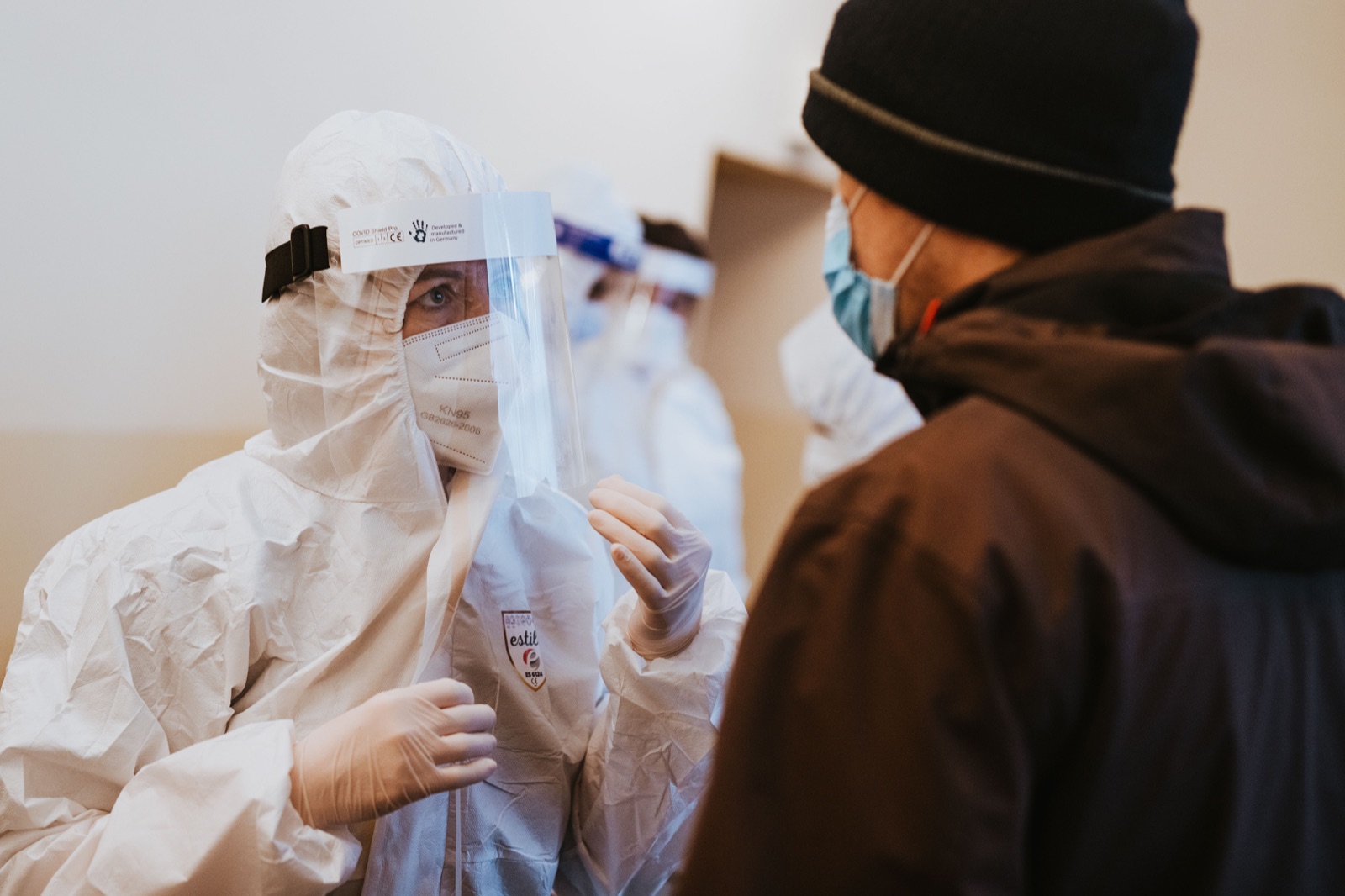
A major hospital recently initiated a routine health risk evaluation for staff working in the radiology and related departments. Because daily operations involve X ray systems, fluoroscopy rooms, potential airborne viral transmission, and fluctuating indoor air quality, the hospital management organized a professional team to conduct a systematic on site assessment across key areas such as radiology suites, imaging corridors, specimen collection zones, and staff workstations.

On site Inspection:
Upon arrival, the professional team met with department supervisors to identify the primary work areas of radiology personnel and review the existing exposure recording procedures. The team then inspected key departments one by one, including X ray rooms, operating consoles, and high traffic staff corridors and duty areas, focusing on ventilation efficiency, personnel density, and isolation measures within the environment.

Bioaerosol Assessment:
To evaluate potential viral transmission risks, the team conducted air sampling in hospital public zones, waiting areas, and radiology corridors to assess changes in microbial aerosol concentrations. Certain areas showed slightly elevated biological particle levels, indicating possible airborne risks during peak patient flow periods and the need to enhance ventilation and disinfection frequency.

Radiation Exposure Evaluation:
In radiology and imaging sections, medical personnel routinely wore personal radiation monitors to track real time dose rates and cumulative exposure throughout their shifts. The team reviewed recent records and confirmed all exposure levels were within regulatory limits. No abnormal readings or over exposure cases were detected, effectively ruling out radiation related occupational health risks.

Air Quality Assessment:
In medical technical areas and equipment rooms, the team also examined overall air quality, including respirable particles, volatile substances, and other factors that may affect respiratory health. Certain zones showed minor fluctuations due to equipment operation and concentrated staff activity. The team recommended optimizing ventilation adjustments and improving staff flow patterns.

Result Assessment:
By combining the findings from bioaerosol monitoring, radiation exposure review, and air quality measurements, the team concluded that the hospital environment was generally well controlled. Only a few areas exhibited mild indicator increases during peak hours. The hospital promptly implemented enhanced ventilation, adjusted disinfection schedules, and optimized staff movement routes while issuing health advisories to clinical personnel to further minimize risk.

Through multidimensional monitoring and systematic field assessment, the hospital management gained timely insight into the environmental safety conditions faced by its medical staff. This ensured that personnel, especially those working in high risk radiology sections, could operate in a secure and well regulated environment, strengthening the overall health and safety standard of the hospital.


Email us: info@htnova.com

@Copyright HT-Nova 2025
京ICP备2025066597号