
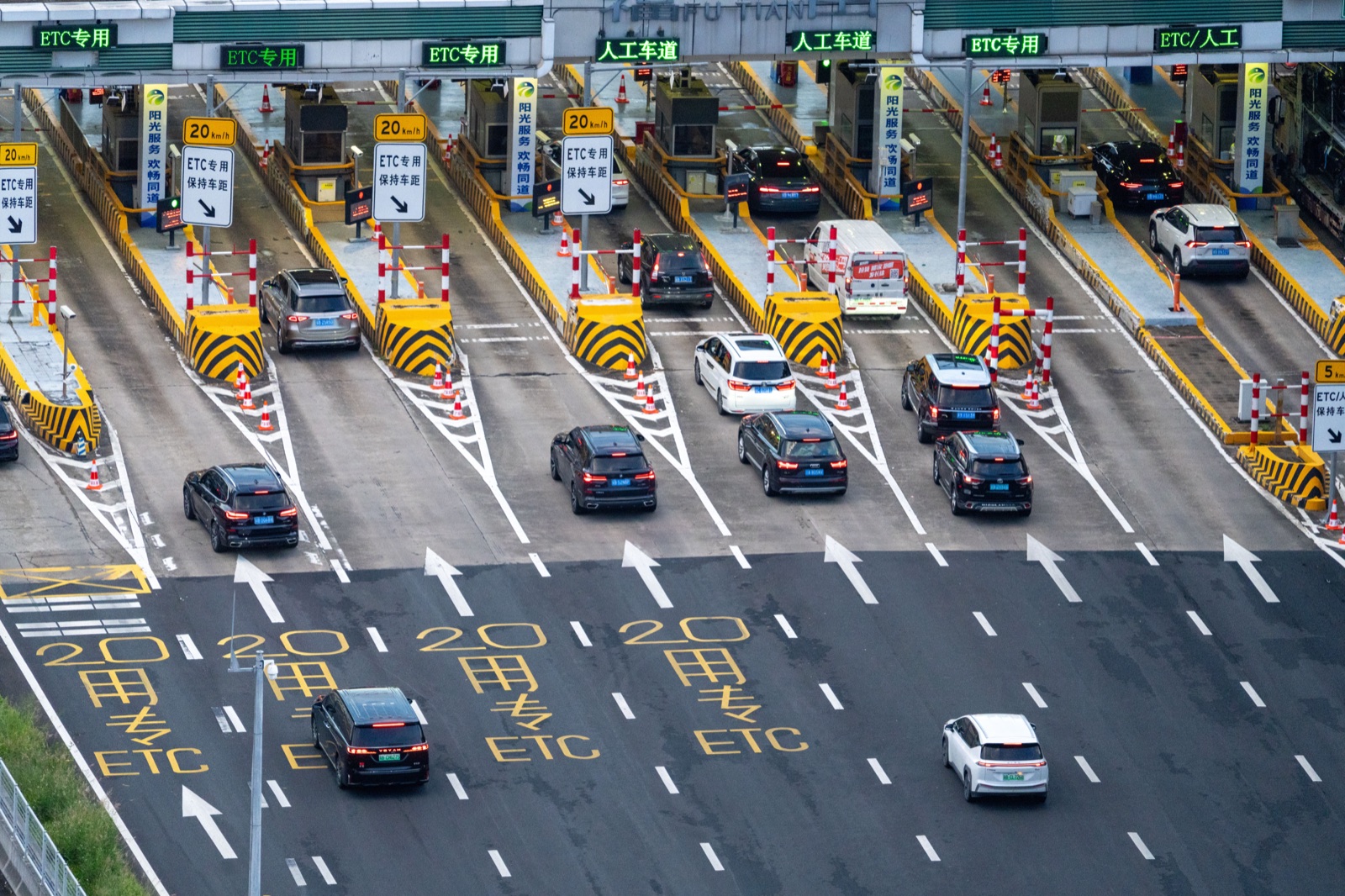
Operational scenario

Vehicle Security Inspection

Vehicle secondary inspection combines primary imaging and access control with targeted radiological, trace or material assessment when an indicator requires follow-up.

Vehicle Security Inspection
Secondary vehicle inspection using complementary detection capabilities.
Operational context

Road checkpoints and border crossings need to maintain vehicle flow while directing selected vehicles into a controlled secondary-inspection area. Conventional imaging, documentation and physical security establish the primary process; specialist CBRNE tools investigate defined alarms or intelligence.

HT-Nova portable and connected detectors can support the secondary layer without claiming to replace vehicle imaging or conventional inspection systems.

Operational challenge

Operational challenge

Vehicle construction, cargo density, background radiation, exhaust and contamination can complicate measurement. Officers need safe approach distances, a search sequence and clear responsibility for unresolved findings.

Operating workflow

Operating workflow

01

Recognize and isolate

Move the item, person or vehicle into the appropriate controlled process without unnecessary handling.

02

Select the method

Choose radiation, trace, vapor or material-identification tools according to the indicator and operating procedure.

03

Conduct secondary screening

Use trained operators, controlled sampling and method-specific checks rather than a universal detector.

04

Escalate

Refer unresolved or hazardous findings to the responsible specialist authority and preserve scene information.

05

Record the decision

Document alarms, measurements, samples and disposition to support traceability and process improvement.

Technology role

Technology role

Radiation survey and identification instruments investigate elevated response; trace methods support controlled wipes or vapor sampling where applicable; Raman can identify compatible accessible materials; connected reporting preserves location and result context.

Technical boundaries

Technical boundaries

Metal detectors and vehicle X-ray systems address different hazards and may be supplied by other specialists. HT-Nova relationships should describe only verified integration and never imply that one CBRNE sensor certifies an entire vehicle safe.

Mission value

Mission value

01

Flow-aware screening

Only vehicles with a defined indicator enter the specialist process.

02

Layered assessment

Imaging, radiation, trace and material methods retain distinct roles.

03

Documented disposition

Results remain linked to the vehicle, search location and authority decision.

Talk to an expert

Discuss your detection requirements.

Tell us about your environment, target substances and operational requirements. We’ll help map the right path.

Start a conversation