
Air surveillance
Detect changes in airborne biological particle patterns. Continuous awareness provides context that a single sample or visual inspection cannot supply.
Bring continuous bioaerosol awareness, reliable sampling and rapid confirmation into sensitive healthcare environments. Help infection-control and facilities teams see changing airborne conditions without disrupting patient care.
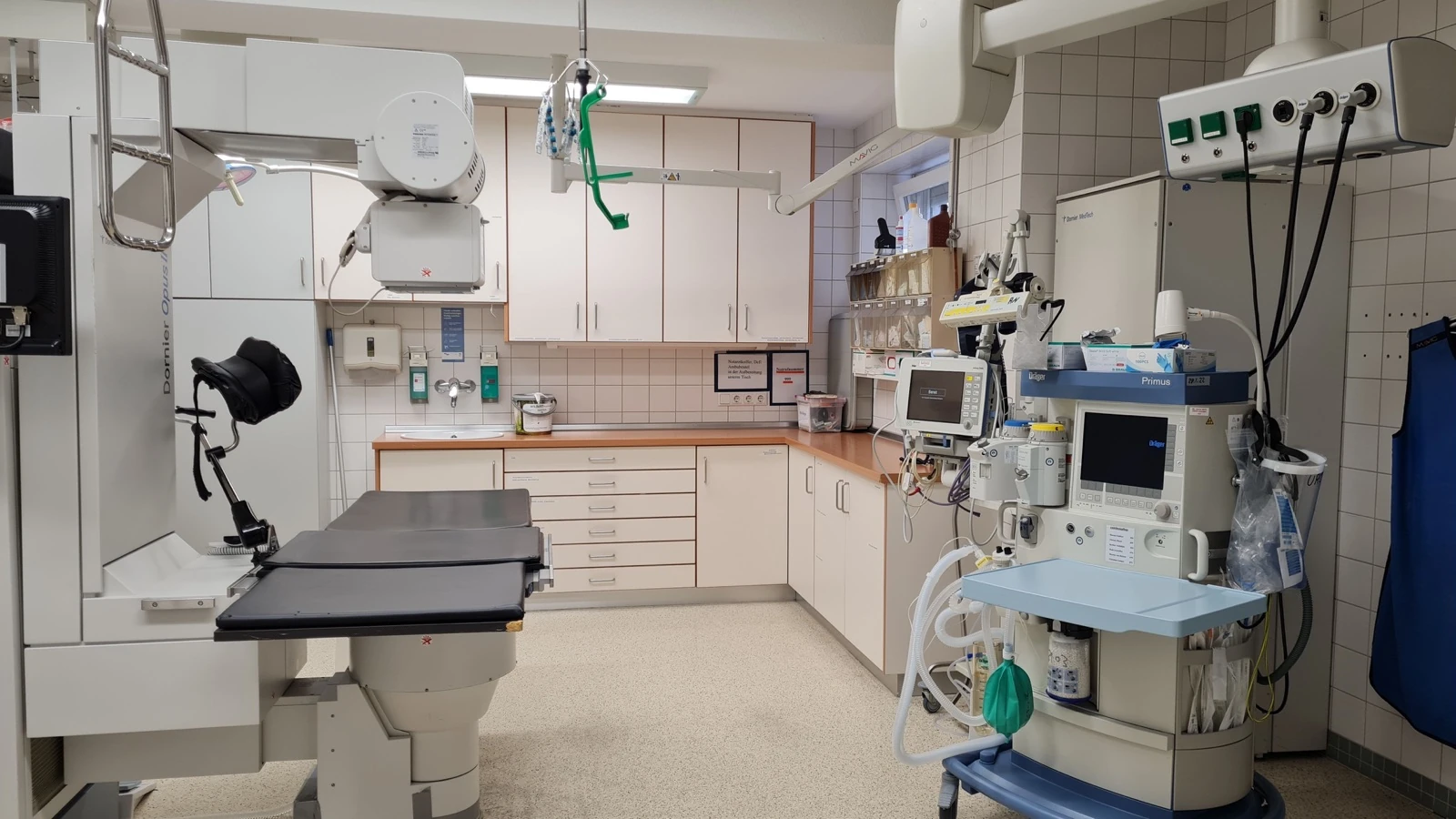
Airborne particle conditions change with rooms, procedures, ventilation and occupancy. BM3001 or an integrated bioaerosol module provides continuous early warning, while BC500 collects a representative sample for PCR or other laboratory analysis. BU-10 adds targeted rapid testing for supported biological hazard factors.
The workflow deliberately separates anomaly detection, sample collection and agent-specific testing. It can support ventilation review and infection-control investigation, but an optical bioaerosol alarm is not presented as a clinical diagnosis or species identification.
Detect changes in airborne biological particle patterns. Continuous awareness provides context that a single sample or visual inspection cannot supply.
Capture representative material for reliable follow-up. Triggered collection links the retained sample to the time and location of the observed change.
Deploy around rooms and workflows without disrupting care. Monitoring plans can reflect clinical zones, ventilation pathways and different occupancy patterns.
A clear sequence connects early indication, field confirmation and a defensible decision - giving every team a shared understanding of what happens next.
Continuous bioaerosol monitoring identifies meaningful change. Local baselines help distinguish an unusual event from normal activity in the space.
Triggered sampling preserves material for analysis. The sample provides a bridge between an automated alert and laboratory follow-up.
Identification supports infection-control decisions. Results can guide targeted cleaning, ventilation checks and continued surveillance of the affected area.
BM3001 is a compact biological aerosol detector that continuously monitors airborne biological factors - bacteria, spores, viruses and toxins - in indoor and outdoor environments, and alarms when concentrations exceed a set threshold. Detection is based on Mie scattering and UV-LIF, with alarm sensitivity reaching less than 3 ACPLA.
BC500 is a portable, all-weather biological aerosol sampler that collects and concentrates airborne particles such as bacteria, viruses, fungi and spores. It takes a snapshot of the environment at preset intervals or on demand, producing samples suitable for PCR and other laboratory analysis.
BU-10 is a handheld biological hazard factor detector using Quantum Dot Lateral Flow technology, which combines immunochromatography with semiconductor quantum-dot fluorescent probes. It provides rapid qualitative and quantitative detection of bacteria and spores, viruses and toxins, with a single sample completed in under ten minutes.
A compact airborne bioaerosol module for monitoring and early warning of biological hazards in complex environments. Using a multi-sensor approach, it measures aerosol particle size and concentration and assesses whether particles represent a biological threat.
Healthcare-Associated Infection Surveillance: Used in medical facilities to monitor pathogens and infectious diseases in the air, including viruses, bacteria, and fungi. By continuously sampling air quality and detecting biological threats, these sensors support infection control measures, helping prevent the spread of infectious diseases among patients, healthcare workers, and visitors
Hospital Environment Monitoring: Used to monitor environmental conditions inside hospitals, including air quality, temperature, and humidity. By ensuring optimal environmental conditions, these sensors contribute to patient comfort, healthcare worker health, and the protection of medical equipment and supplies
Laboratory Safety: Applied in research laboratories and diagnostic facilities to detect chemical hazards and air pollutants. By providing early warning of chemical spills, leaks, or smoke emissions, these sensors help protect laboratory personnel and prevent laboratory accidents or exposures
Biological Threat Detection : Our sensor devices can be deployed in medical environments to detect potential biological threats, such as bioterrorism agents or emerging infectious diseases. Early detection of biological hazards allows for timely response and containment measures to protect public health and prevent widespread outbreaks
Emergency Preparedness and Response: Our sensors can be integrated into healthcare emergency response plans to enhance preparedness for chemical, biological, radiological, and nuclear (CBRN) events. By facilitating early detection, rapid notification, and effective response coordination, these sensors support healthcare organizations in their efforts to mitigate the impact of emergencies on patient care and personnel safety
Tell us about your environment, target substances and operational requirements. We’ll help map the right path.
Start a conversation