
Production control
Watch concentrations and process changes at critical points. Stable, frequent measurements can reveal drift before it affects quality, efficiency or safety.
Monitor production, storage and transfer points with instruments selected for the substance, process and consequence of failure. Connect continuous measurement with rapid identification so an unusual reading becomes a clear operating decision.
Chemical operations need broad warning and compound-specific evidence, but those are not the same measurement. GD624 monitors multiple target gases at fixed locations; VP200 surveys VOC response and concentration gradients; CP1000 separates selected VOCs for qualitative and quantitative analysis; and CR2000 identifies suspect solids, powders and liquids collected during an investigation.
Used together, these products connect a changing airborne signal with a source investigation and an appropriate analytical method. This supports loss-of-containment response, worker protection and documented follow-up without presenting a non-specific screening result as a confirmed chemical identity.
Watch concentrations and process changes at critical points. Stable, frequent measurements can reveal drift before it affects quality, efficiency or safety.
Detect loss of containment around tanks, loading and transport. Portable verification helps locate the source without treating an entire area as one undifferentiated alarm zone.
Create traceable records for environmental and safety decisions. Time, location and concentration trends make follow-up investigation and reporting more defensible.
A clear sequence connects early indication, field confirmation and a defensible decision - giving every team a shared understanding of what happens next.
Fixed sensors follow changing concentrations continuously. Thresholds and trends highlight deviations at the point where they matter.
Spectroscopic tools confirm unknown materials without delay. The result helps teams select safe handling, isolation and clean-up measures.
Connected data supports intervention, reporting and review. A coherent event history links the first indication to the action taken.
GD624 is an environmental chemical monitoring system that detects up to 24 gases at once using multi-sensor, multi-channel direct detection, integrating optical ionization, electrochemical and infrared sensors. It is built for real-time monitoring of toxic, hazardous and flammable gases in emergency response, firefighting and industrial environments.
CP1000 is a portable gas chromatograph analyzer for volatile organic compounds, providing both qualitative and quantitative results from gas samples. Battery powered and compact, it runs continuous total-VOC monitoring or switches to analysis mode to measure specific hazardous substances in workplace air and explosion-hazard areas.
VP200 is a handheld photoionization gas detector that measures trace, ppb-level concentrations of volatile organic compounds and alarms when thresholds are exceeded. It detects over 200 VOCs and also alarms for inorganic toxic gases including ammonia, phosphine, arsine and hydrogen sulfide.
CR2000 is a rugged handheld identifier for chemical warfare agents, explosives, dangerous goods and drugs, with simultaneous radioactive monitoring. It brings spectral resolution close to laboratory desktop instruments into a hand-sized device built for complex, harsh environments.
Process Integrity Monitoring: Chemical plants should continuously monitor various stages of chemical production processes to detect any deviations from normal operating conditions. By identifying potential leaks, spills, or equipment failures early on, these sensors can prevent costly shutdowns and mitigate risks to personnel and the environment
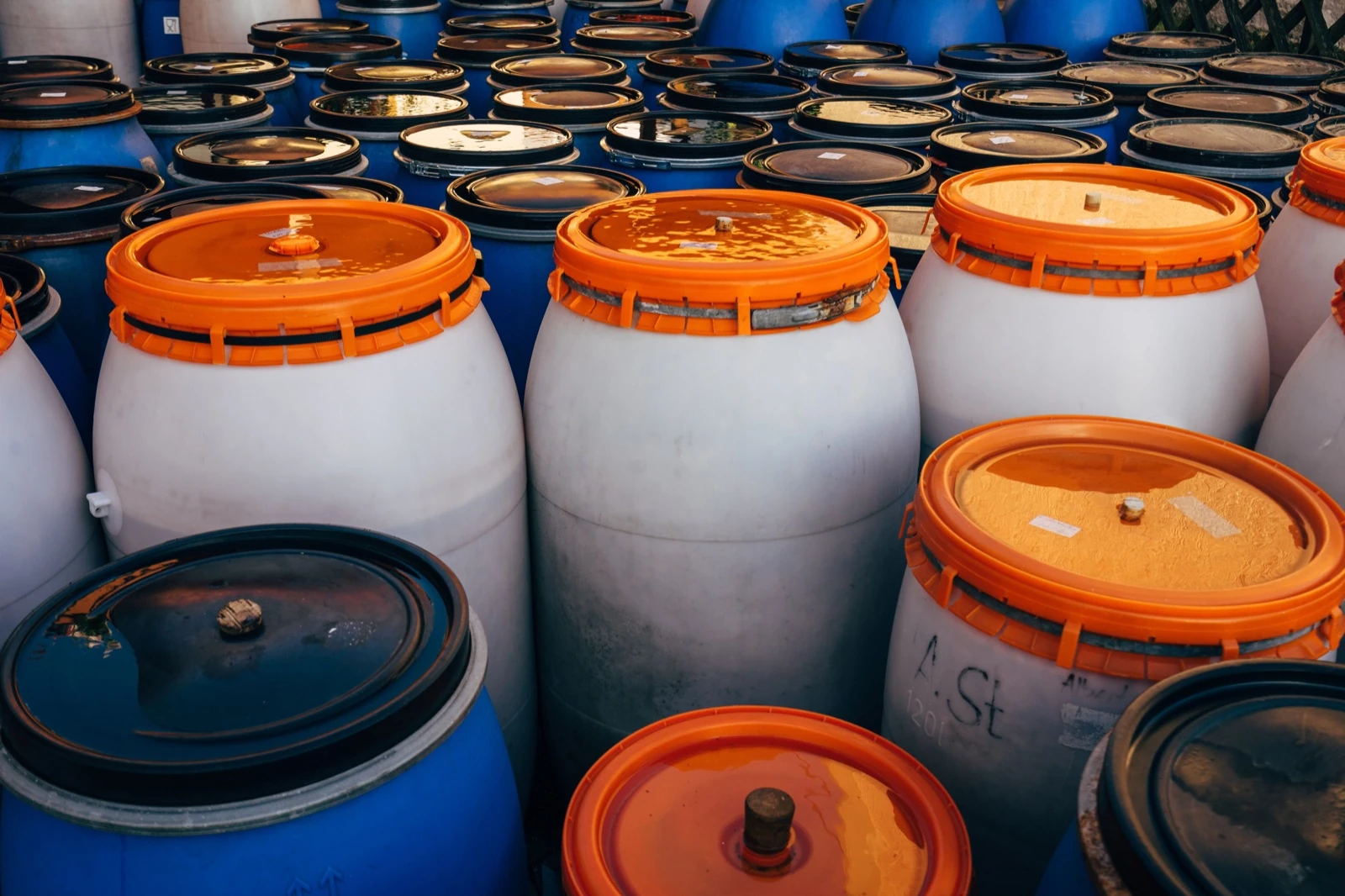
Storage Facility Monitoring: Chemical storage facilities are prone to leaks or unauthorized access, which can lead to hazardous situations. By monitoring tanks and containers in real-time, sensors alert operators to any anomalies, such as sudden changes in chemical levels or unauthorized entry attempts
Transportation Safety Assurance: Chemical substances are susceptible to accidents or tampering during transportation, posing risks to public safety. HT-Nova's sensors can be installed on transportation vehicles or cargo containers to detect any leaks, spills, or unauthorized openings, ensuring the safe transportation of hazardous materials
Regulatory Compliance and Reporting: Toxic and harmful gas sensors can generate detailed data logs of chemical emissions, leaks, or incidents, facilitating compliance with regulatory requirements and reporting. By documenting compliance with environmental regulations, these sensors help chemical companies avoid penalties and maintain their social licenses to operate
Emergency Response Support: In chemical emergencies, HT-Nova's sensors provide critical information to emergency response teams, enabling them to quickly assess the situation and implement appropriate response measures. By enhancing situational awareness and coordination, these sensors help minimize the impact of chemical incidents on public health and the environment
Tell us about your environment, target substances and operational requirements. We’ll help map the right path.
Start a conversation