
Unknown substances
Identify powders, liquids and solids with less handling. Non-destructive techniques can reduce exposure and preserve the item for further examination.
Help field teams identify unknown substances and trace threats quickly while limiting handling and preserving a clear decision path. Put reliable information in the hands of officers before a suspicious item becomes a wider operational risk.
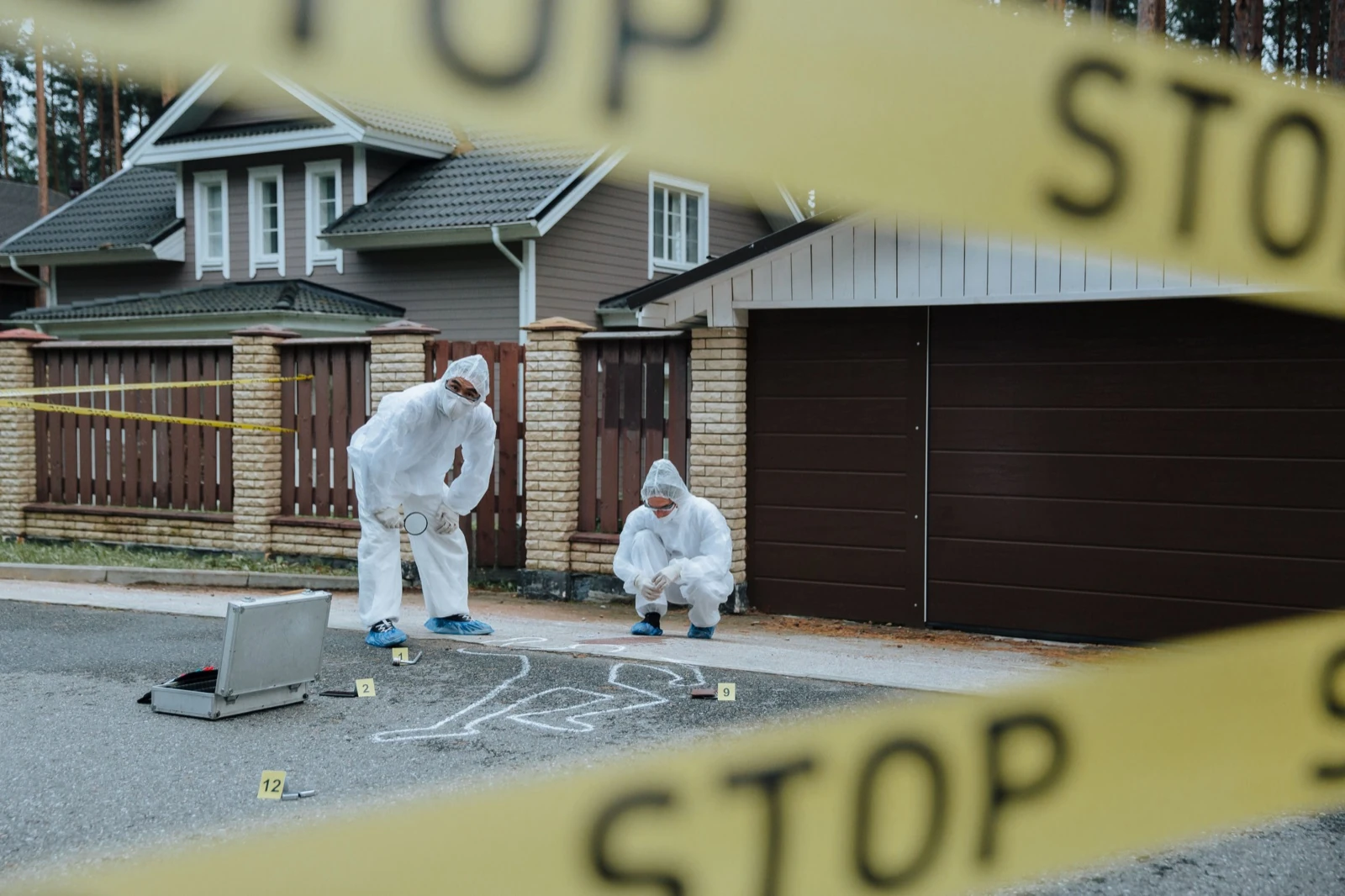
Law-enforcement scenes can involve an unknown powder or liquid, trace explosive residue, an unexplained radiation reading or an airborne chemical concern. CR1600 identifies compatible suspicious materials; EF1000 screens for trace explosives; RG800 measures surface contamination and X-ray or gamma dose conditions; and VP200 surveys VOCs and concentration gradients without claiming compound identification.
The instruments are used as complementary evidence, not interchangeable answers. Method selection, scene controls and a recorded chain from indication to specialist referral help officers protect personnel while preserving potential evidence for confirmatory analysis.
Identify powders, liquids and solids with less handling. Non-destructive techniques can reduce exposure and preserve the item for further examination.
Screen for explosives and other high-consequence residues. Trace detection adds a rapid first indication when the source material is concealed or no longer visible.
Present results clearly for escalation and evidence handling. A structured record supports handover to specialist units and later review of the response.
A clear sequence connects early indication, field confirmation and a defensible decision - giving every team a shared understanding of what happens next.
A rapid screen establishes the immediate risk. Officers can set a safe working distance and decide whether specialist support is needed.
The appropriate sensor resolves the substance or trace. Selecting the method around the sample avoids relying on a single ambiguous result.
Structured results support handover and follow-up. Time, operator, reading and action can remain connected as the case moves forward.
CR1600 is a handheld Raman identification device supplied in mission-specific versions for police and security, emergency response and hazmat, and borders and customs. Each version carries a database configured for that role, and identifies explosives, narcotics and hazardous chemicals in the field without sampling.
EF1000 is a handheld trace explosives detector built on HT-Nova's proprietary fluorescent small-molecule technology, which identifies explosive molecules by the change they produce in a fluorescent material. It detects around forty kinds of explosives, contains no radioactive sources, and returns a result in under ten seconds.
RG800 is a multi-functional nuclear and radiation detector covering both radiation dose rate and surface contamination. It measures alpha and beta surface contamination alongside X-ray and gamma dose rates and accumulated dose, alerting personnel through configurable audible, visual and vibration alarms.
VP200 is a handheld photoionization gas detector that measures trace, ppb-level concentrations of volatile organic compounds and alarms when thresholds are exceeded. It detects over 200 VOCs and also alarms for inorganic toxic gases including ammonia, phosphine, arsine and hydrogen sulfide.
Explosive Detection: Law enforcement agencies utilize CBRNE sensors to detect explosives in various environments, including public places, vehicles, and buildings. These sensors play a critical role in enhancing security measures, preventing terrorist attacks, or addressing criminal activities involving explosives
Chemical Threat Identification: Police use CBRNE sensors in law enforcement operations to identify chemical threats, such as toxic gases or hazardous substances. By providing real-time detection capabilities, these sensors help protect officers and the public from chemical hazards
Tactical Response Support: Integrating our sensors into tactical response units provides situational awareness and threat detection capabilities for high-risk operations, such as hostage rescues or counter-terrorism missions. These sensors assist law enforcement teams in making informed decisions and reducing risks to personnel and bystanders
Public Event Safety: During large-scale public events such as protests, concerts, or sports events, deploying HT-Nova's products to monitor potential chemical, biological, radiological, or explosive threats. Integrated with surveillance systems, these sensors enhance security measures to ensure the safety of event participants and attendees
Border Security Enforcement: Our products can be used at border checkpoints and transit points to detect illegal substances in vehicles, cargo, and luggage, including drugs, explosives, and chemical weapon precursors. These sensors support border security agencies in intercepting illicit goods and preventing cross-border threats to national security
Tell us about your environment, target substances and operational requirements. We’ll help map the right path.
Start a conversation