01RG500
View 01
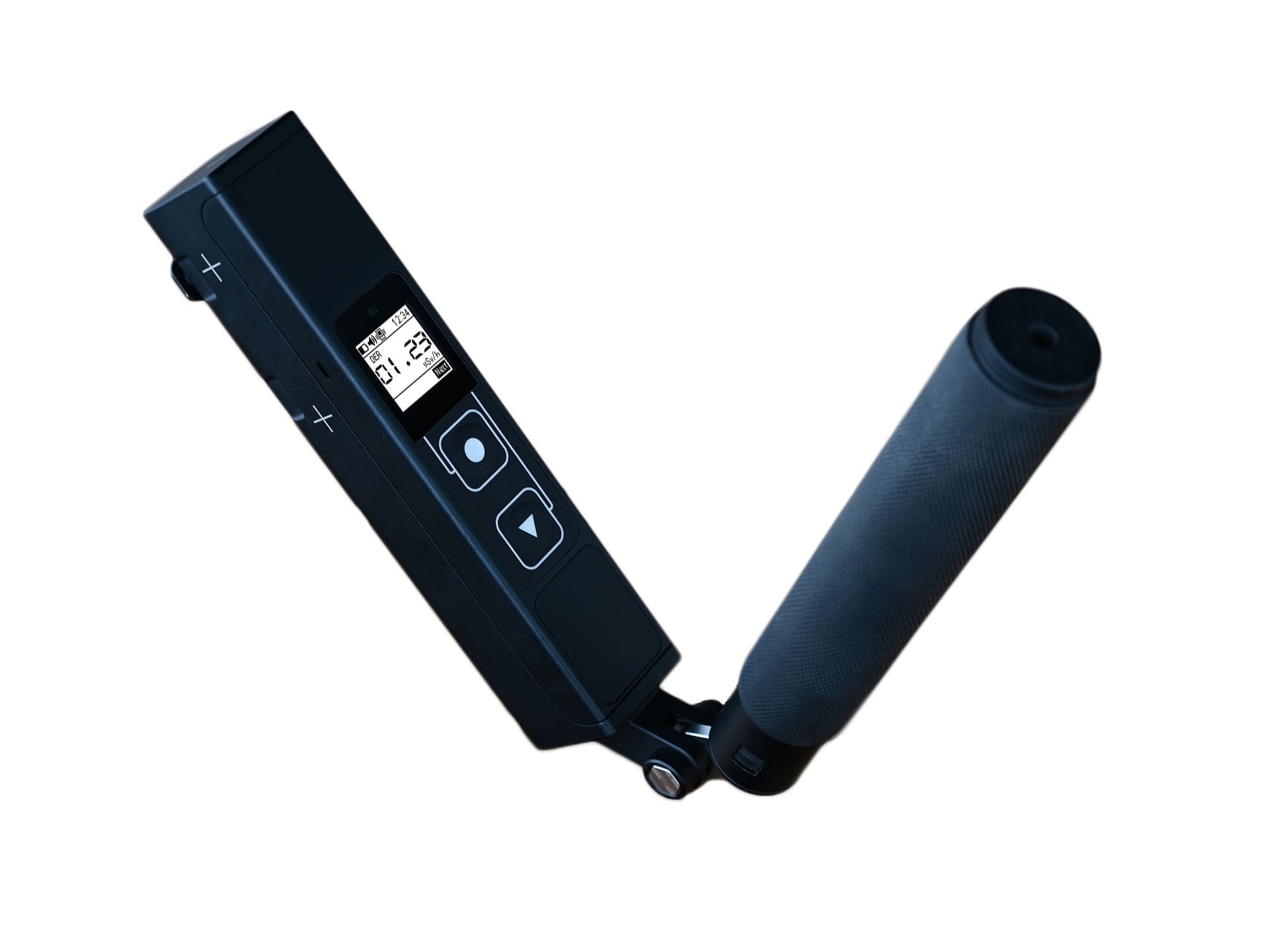
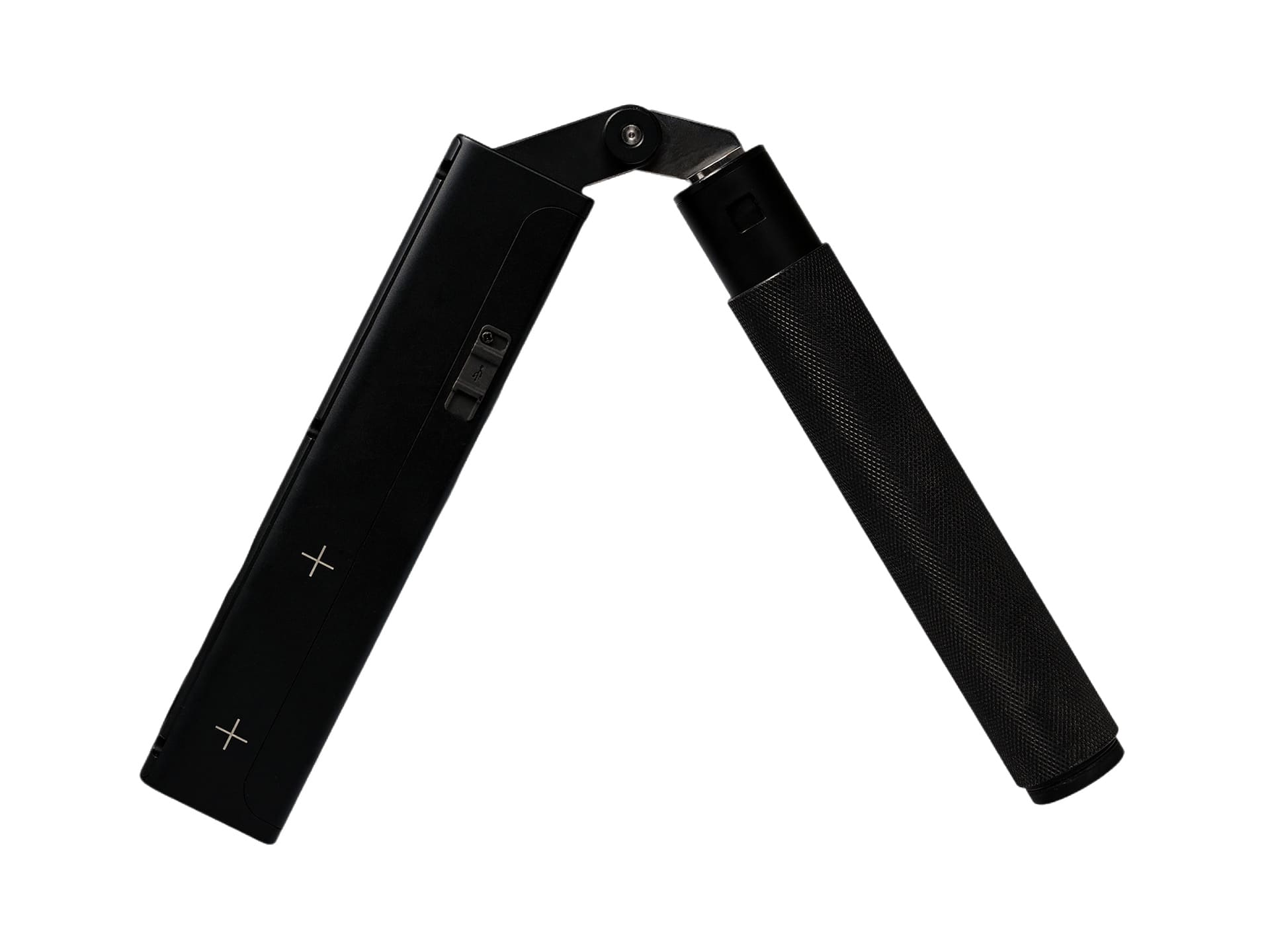
RG500 is a portable nuclear and radiation detector measuring alpha and beta surface contamination together with X-ray and gamma dose rates and total accumulated dose. It meets technical requirements for nuclear emergency-response monitoring, and an extendable pole with fully rotating probes allows measurement from a safer distance.
Surveying contamination means getting a probe close to a surface that may itself be the hazard. RG500 separates the operator from that surface: the handheld pole extends to six hundred millimetres and the probes rotate through a full three hundred and sixty degrees, so floors, walls, undersides, wheel arches and awkward corners can be covered without the operator leaning into the measurement.
It is used in workplaces, isotope plants, laboratories, hospitals and nuclear-transport vehicles, and in emergency-response monitoring where it meets the applicable technical requirements. Readings can be switched between single and cumulative dose rate, and alarm thresholds are customisable, with vibration, sound and light alarms.
A built-in GPS module records where each measurement was taken and communicates that position, which is what turns a set of readings into a usable contamination picture for an emergency support team. Results are held on a memory card and transferred over mini-USB, and automatic shutdown is available as an option.
View 01
View 02
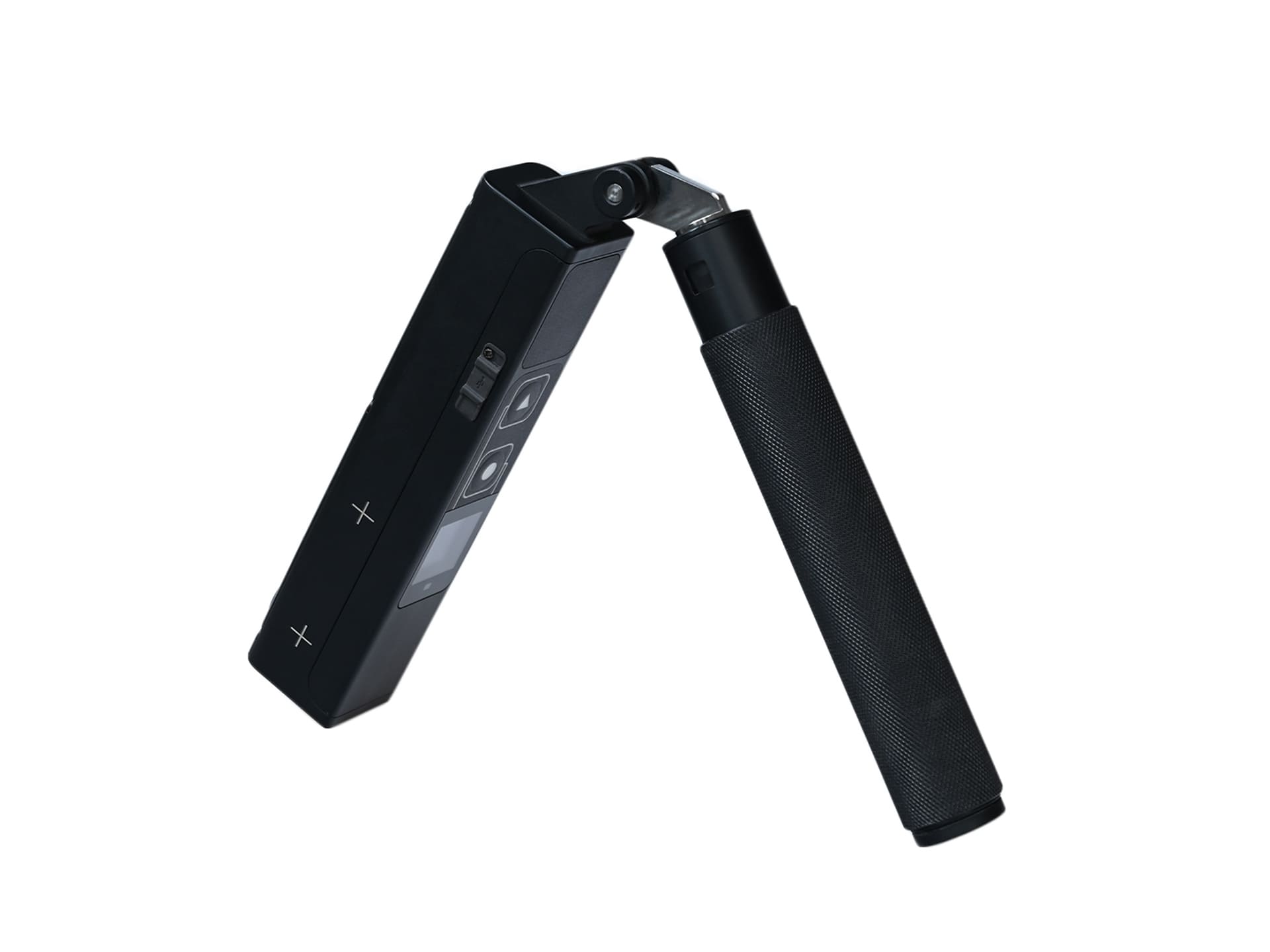
View 03
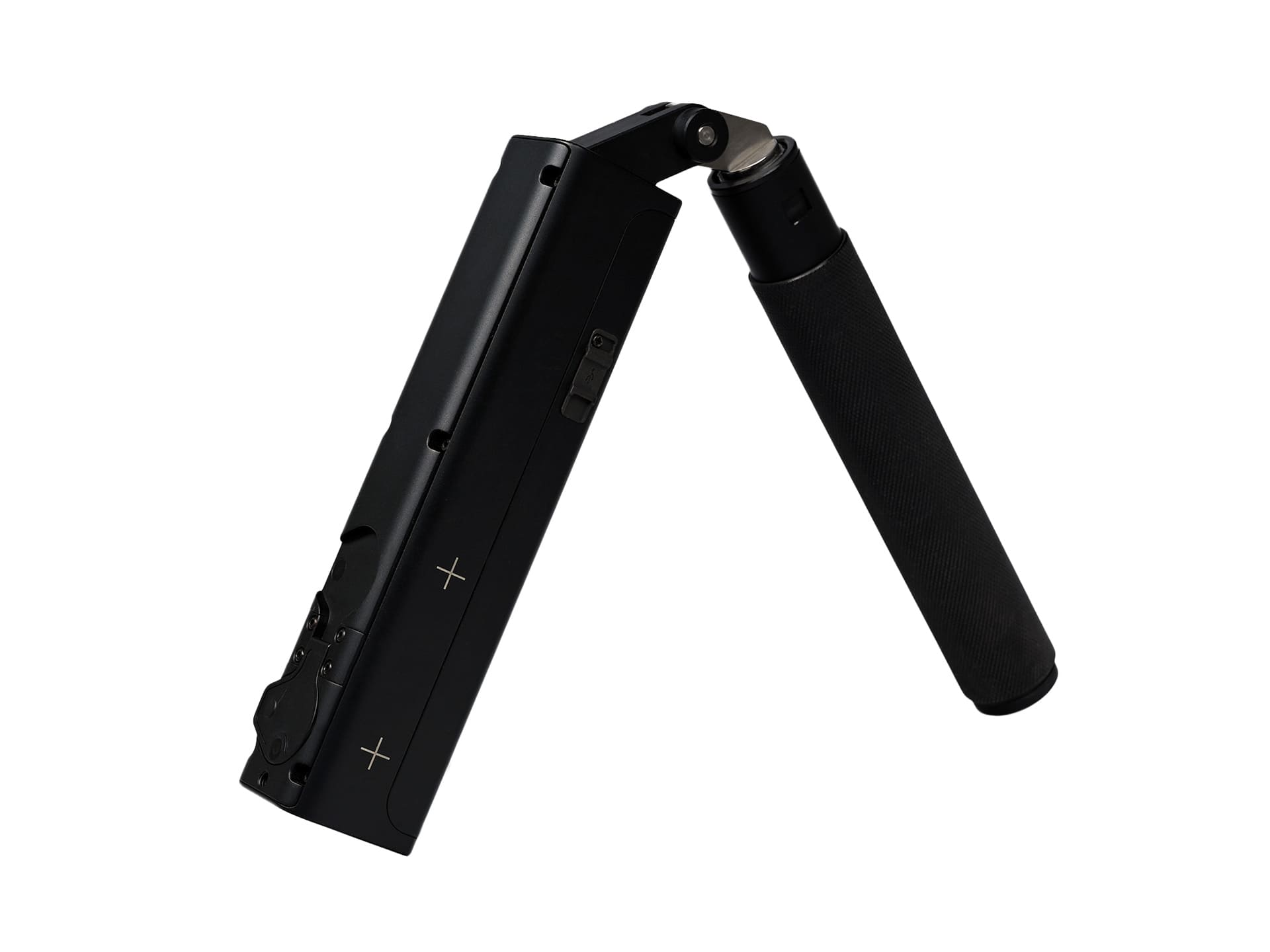
View 04
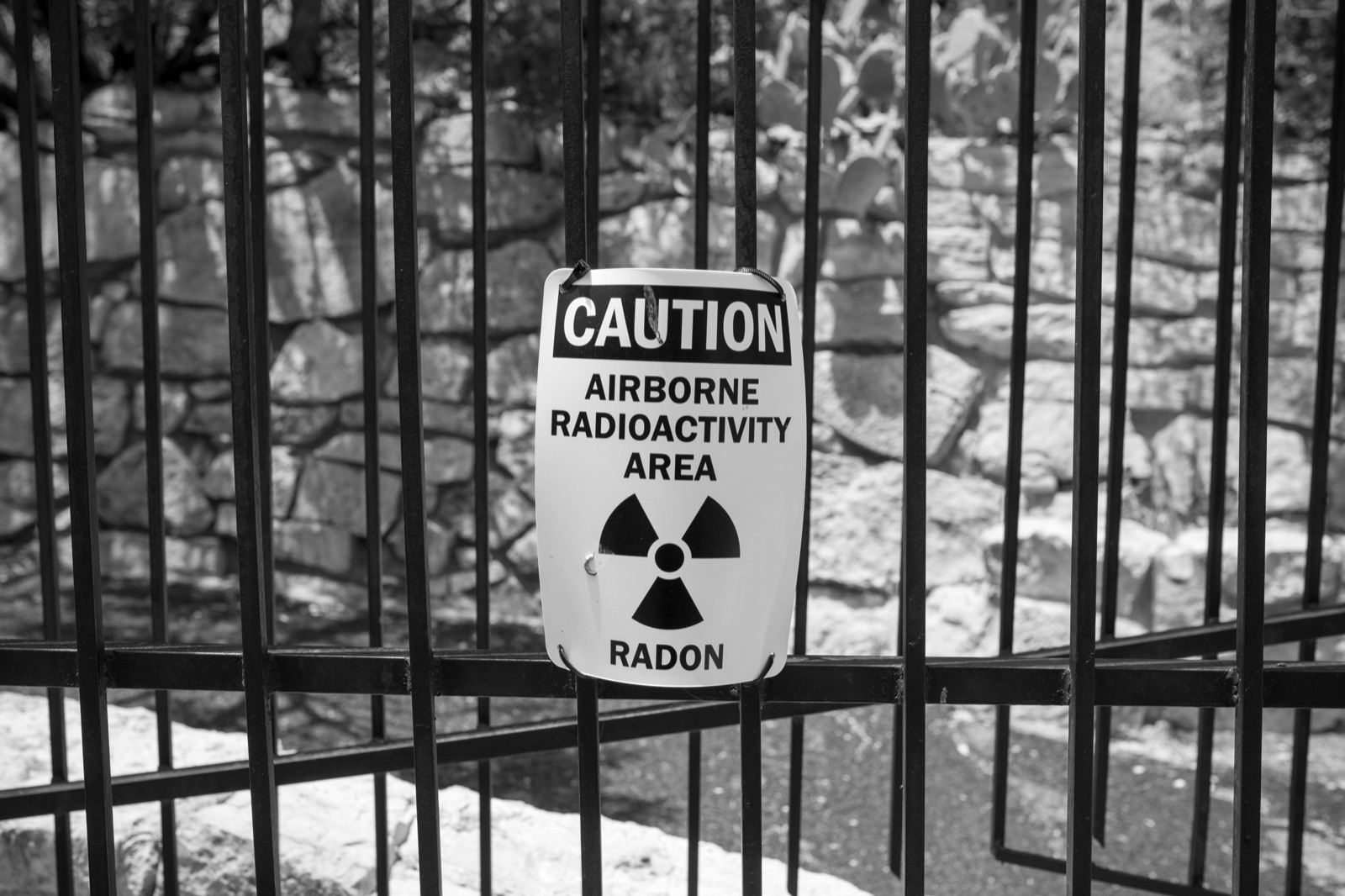
An illustrative radiation-response scenario showing systematic survey, localization, measurement and appropriate characterization of a reported radiation alarm.
↗︎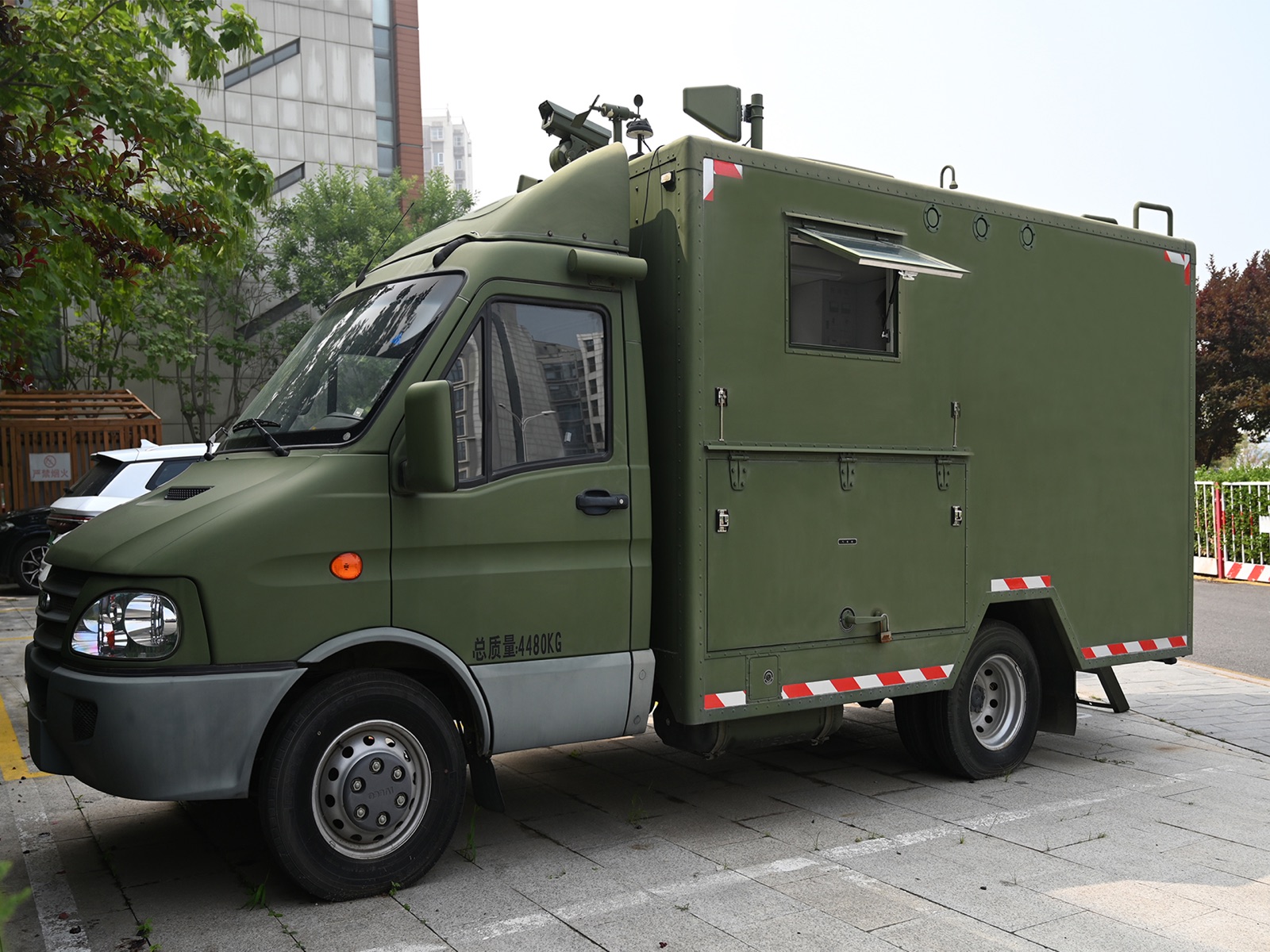
An illustrative scenario for a mobile CBRN reconnaissance and command platform that connects field sensing, communications, coordination and a shared operating picture.
↗︎
An illustrative scenario for repeat measurements after containment, cleanup or decontamination, supporting responsible organizations as they assess whether more action is required.
↗︎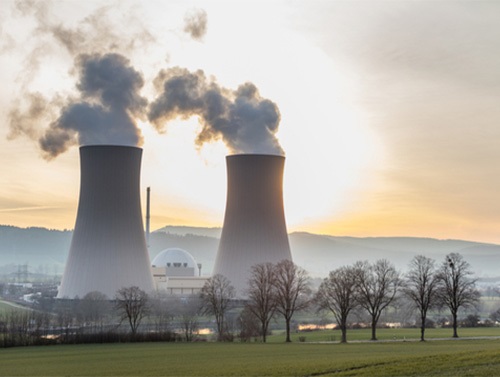
A nuclear-facility radiation programme separates continuous area monitoring, portable survey, contamination checks and spectroscopic follow-up.
↗︎Tell us about your environment, target substances and operational requirements. We’ll help map the right path.
Start a conversation