01EF1000
View 01
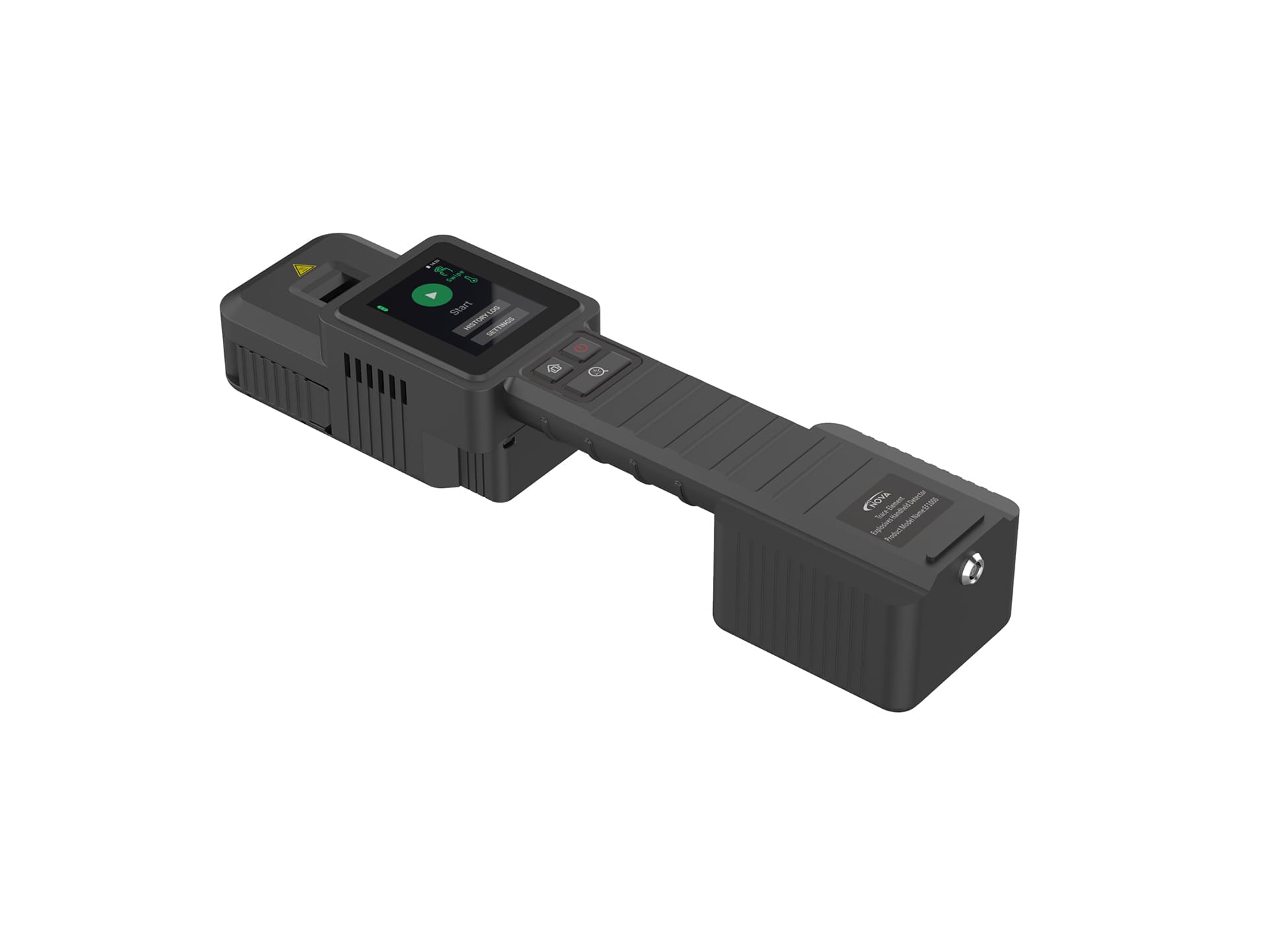
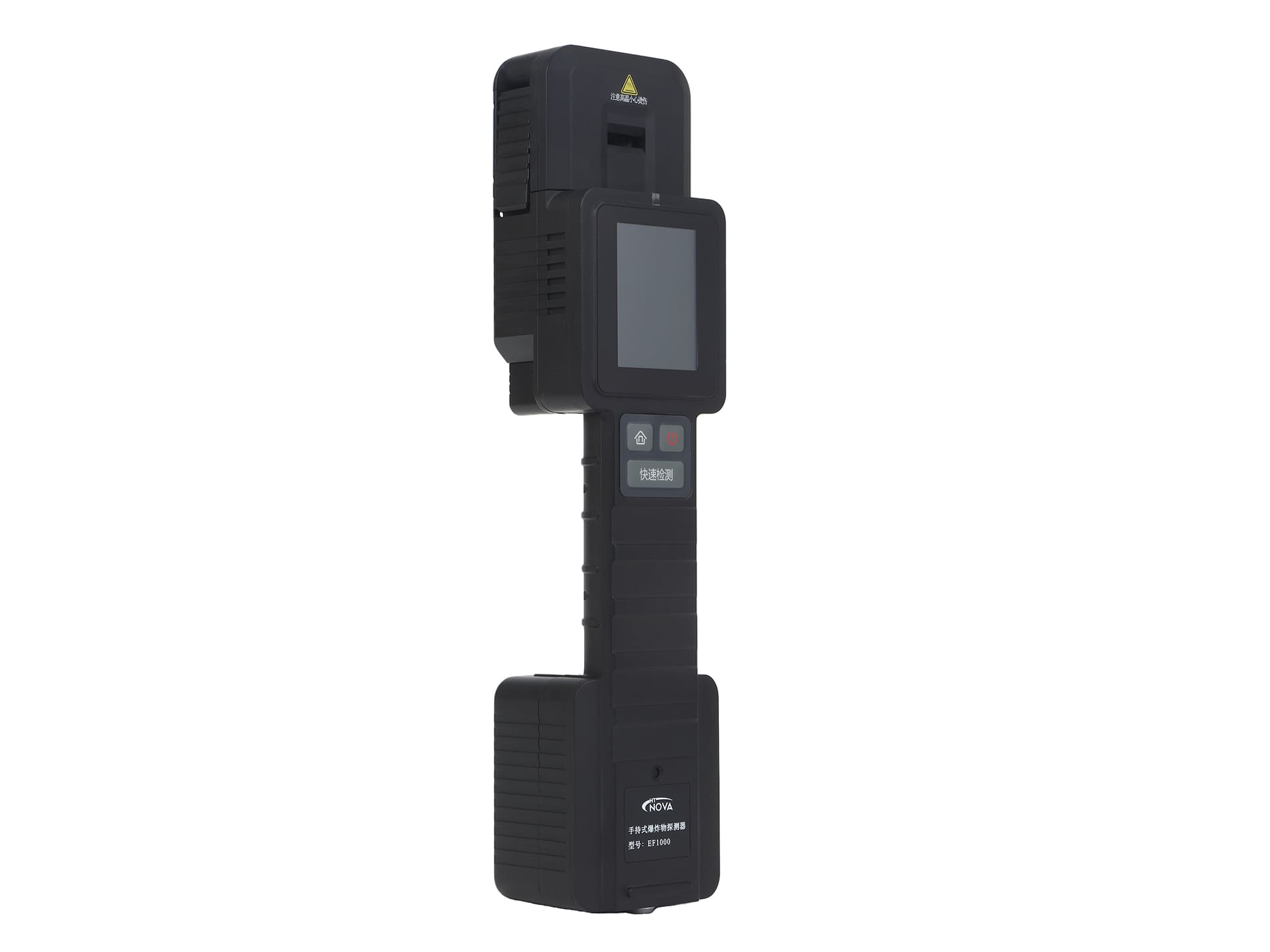
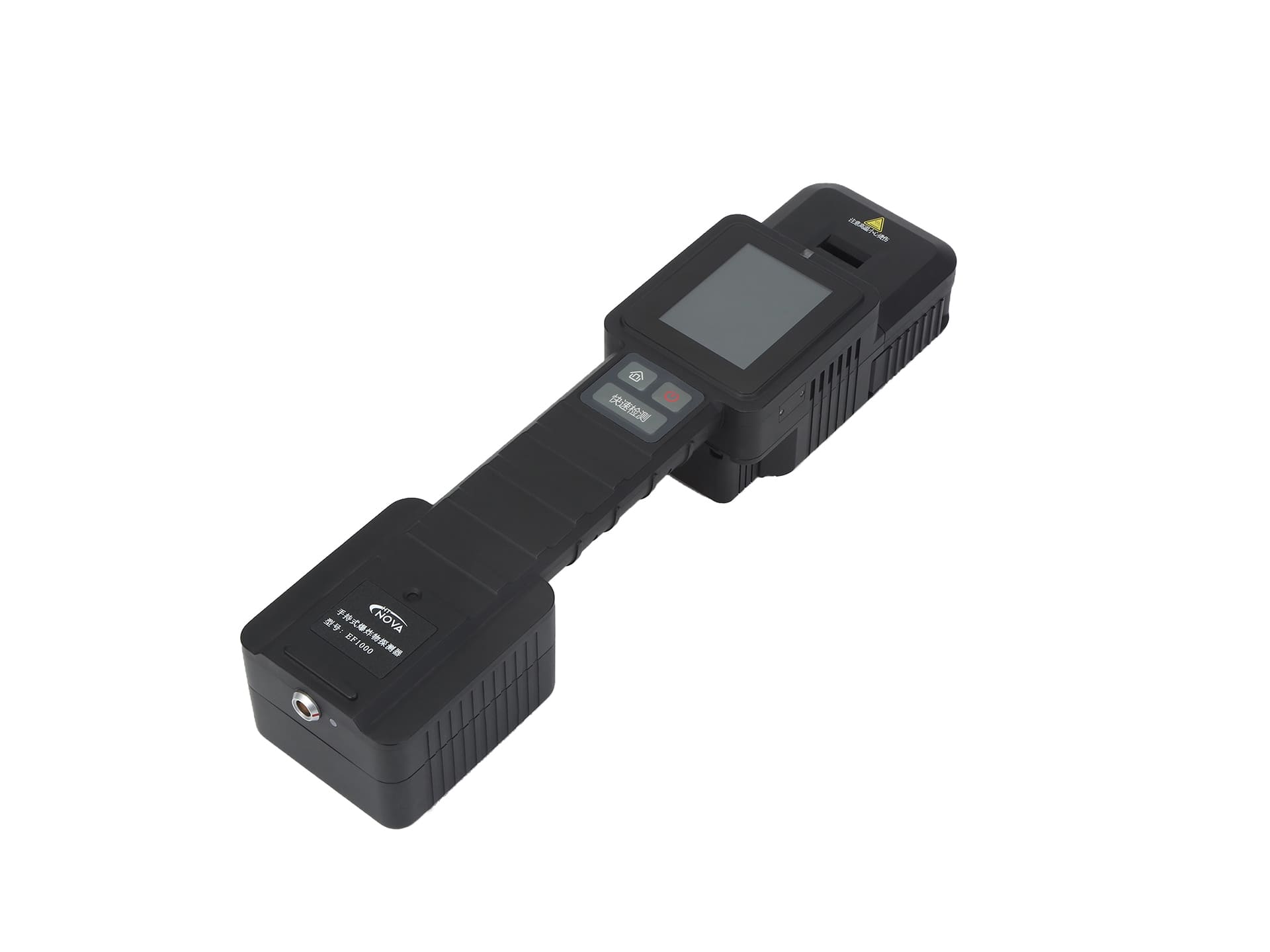
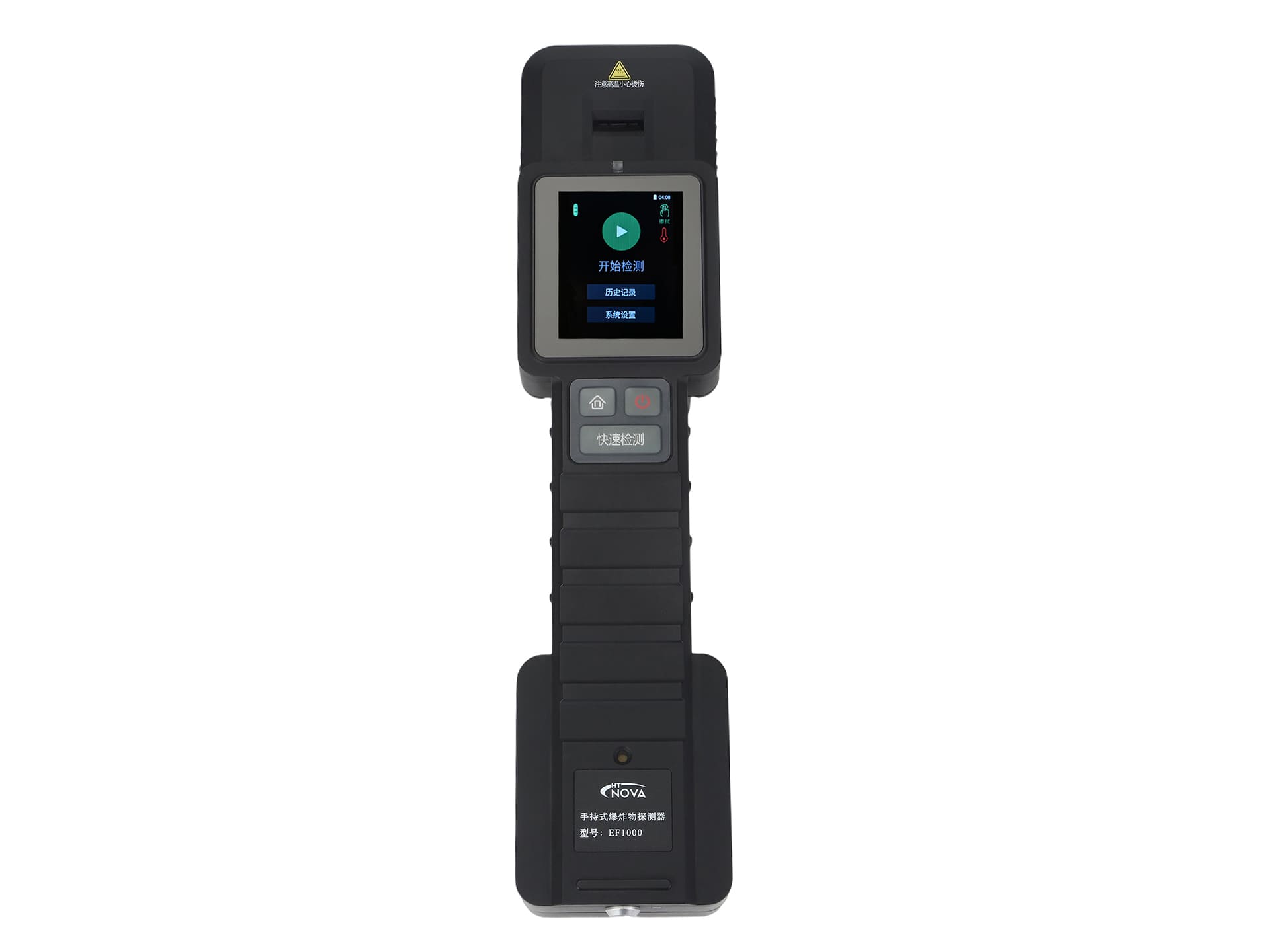
EF1000 is a handheld trace explosives detector built on HT-Nova's proprietary fluorescent small-molecule technology, which identifies explosive molecules by the change they produce in a fluorescent material. It detects around forty kinds of explosives, contains no radioactive sources, and returns a result in under ten seconds.
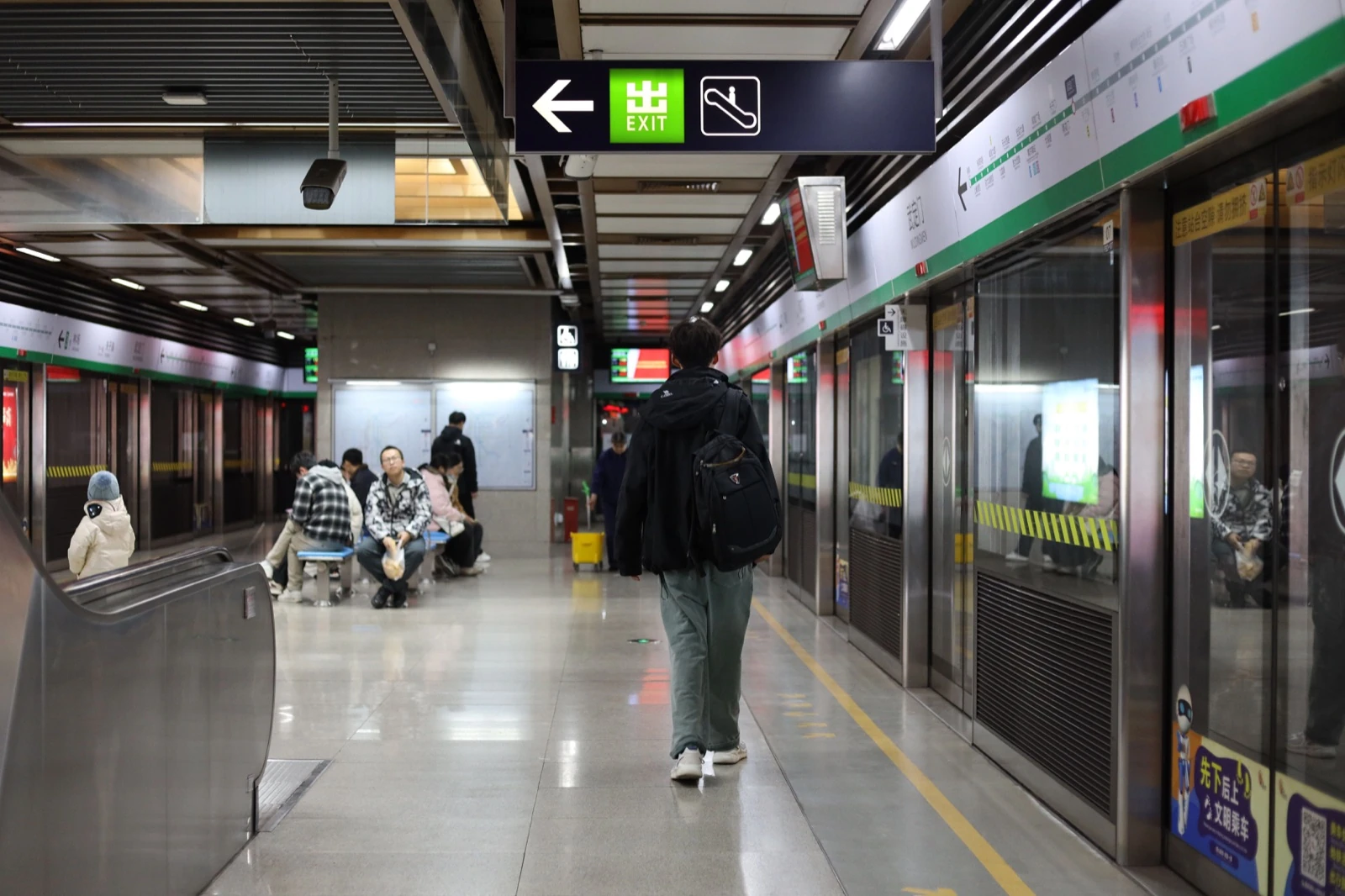
Trace detection is screening work: checking hands, bags, documents, vehicle surfaces and door handles in sequence, where the value of the instrument is how quickly it can be used again on the next subject. EF1000 returns a result in under ten seconds and starts up in under five minutes, so a checkpoint keeps moving.
The fluorescence approach carries a practical advantage beyond sensitivity: with no radioactive elements in the device, transport, storage and licensing are simpler than for instruments that contain a source. The detector is portable and rugged, works across varied environments, and is designed for high sensitivity with low false-alarm rates - important where an alarm means detaining a person.
Alarms can be audible, visual, or wireless and silent, so a screener can be alerted without signalling to the subject. A high-resolution camera records photographic evidence, and 4G, Bluetooth and WiFi allow results to be passed on.
View 01
View 02
View 03
View 04
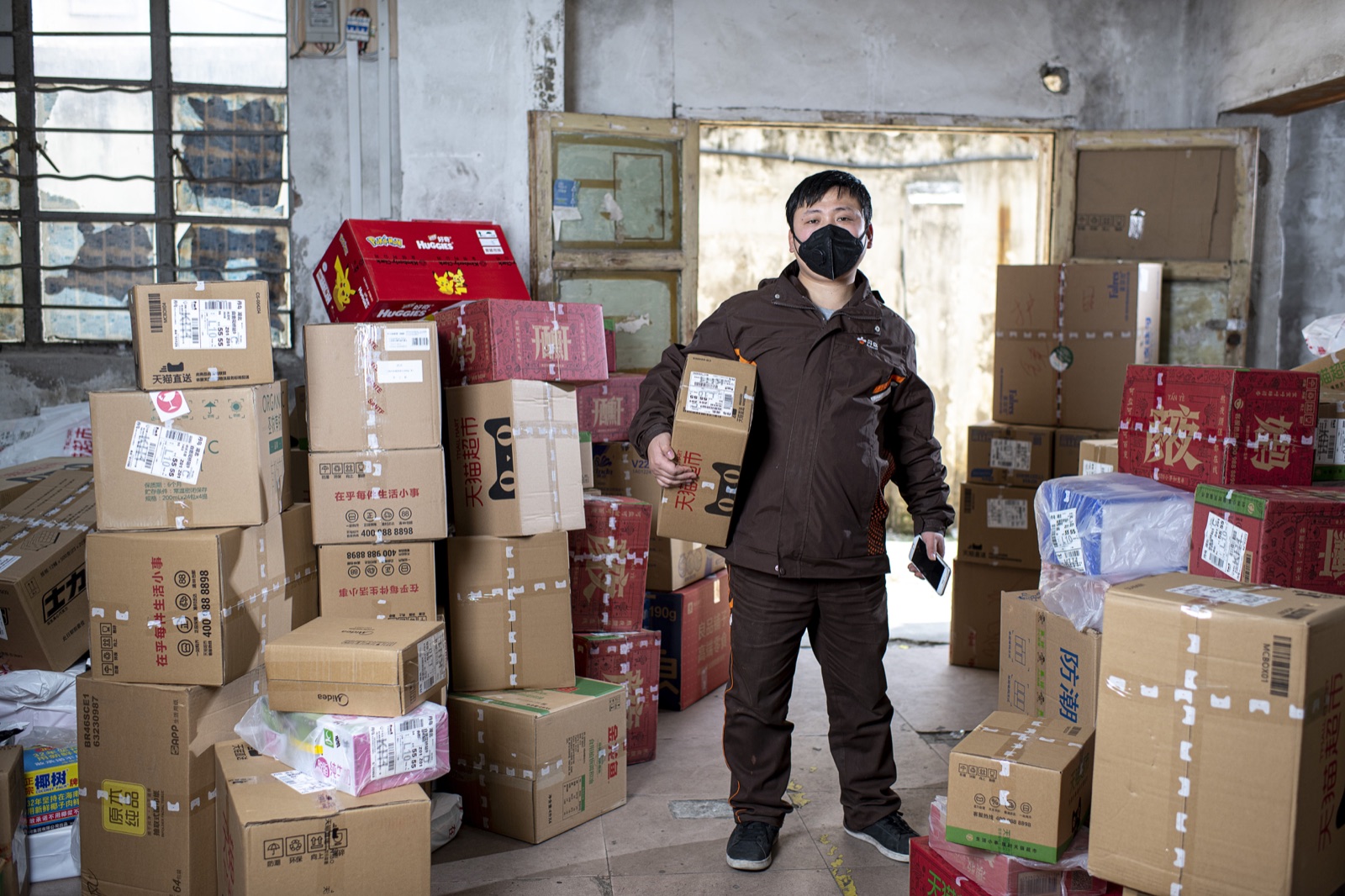
An illustrative security scenario for evaluating a suspicious package through isolation, carefully selected CBRNE screening technologies and controlled escalation.
↗︎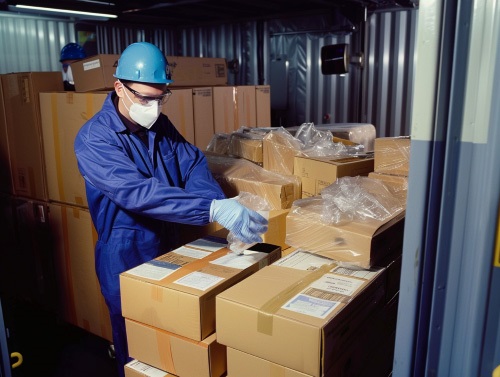
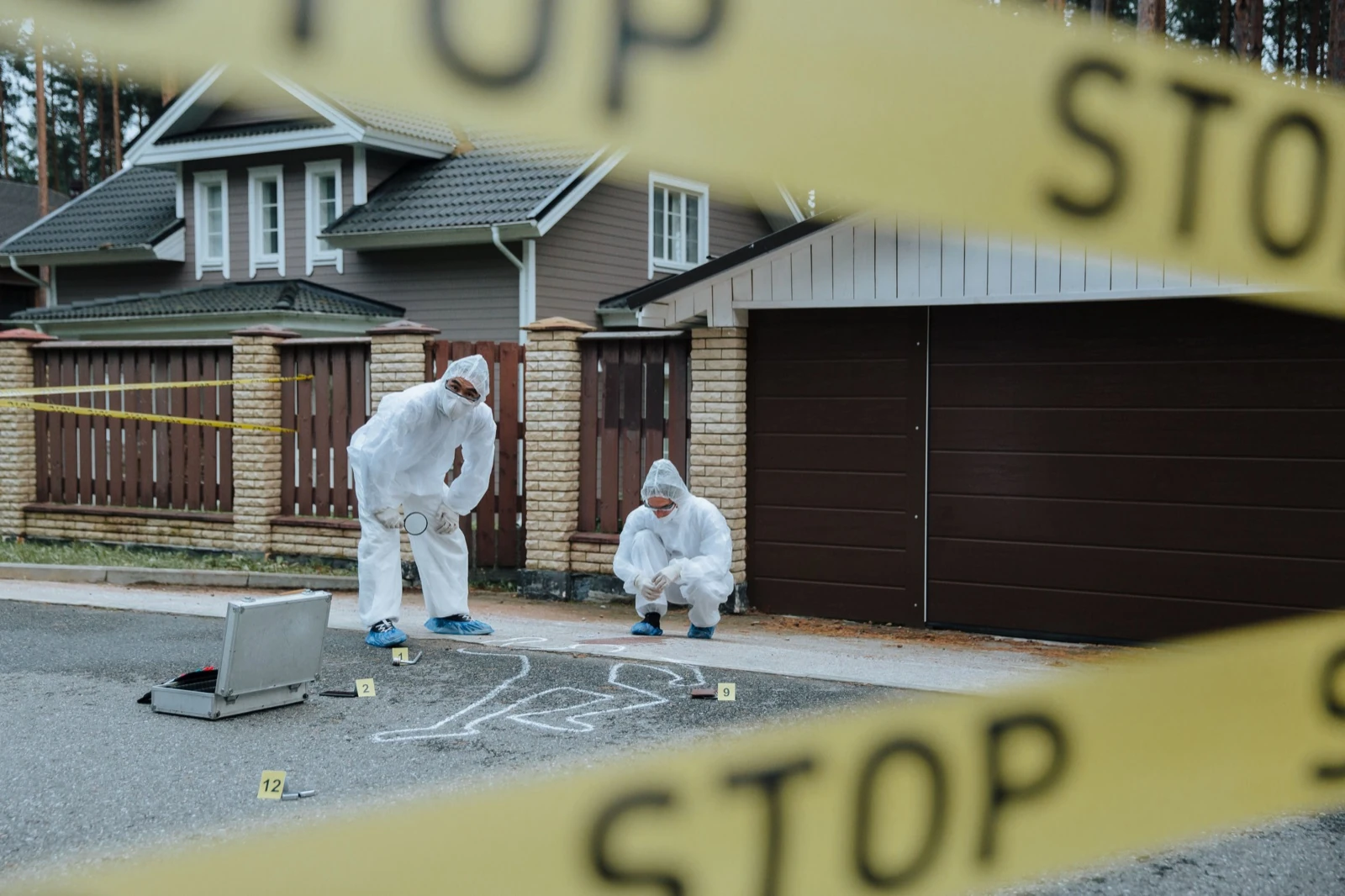
Layered customs secondary inspection applies material identification, trace screening and radiation assessment according to the initial indicator and legal procedure.
↗︎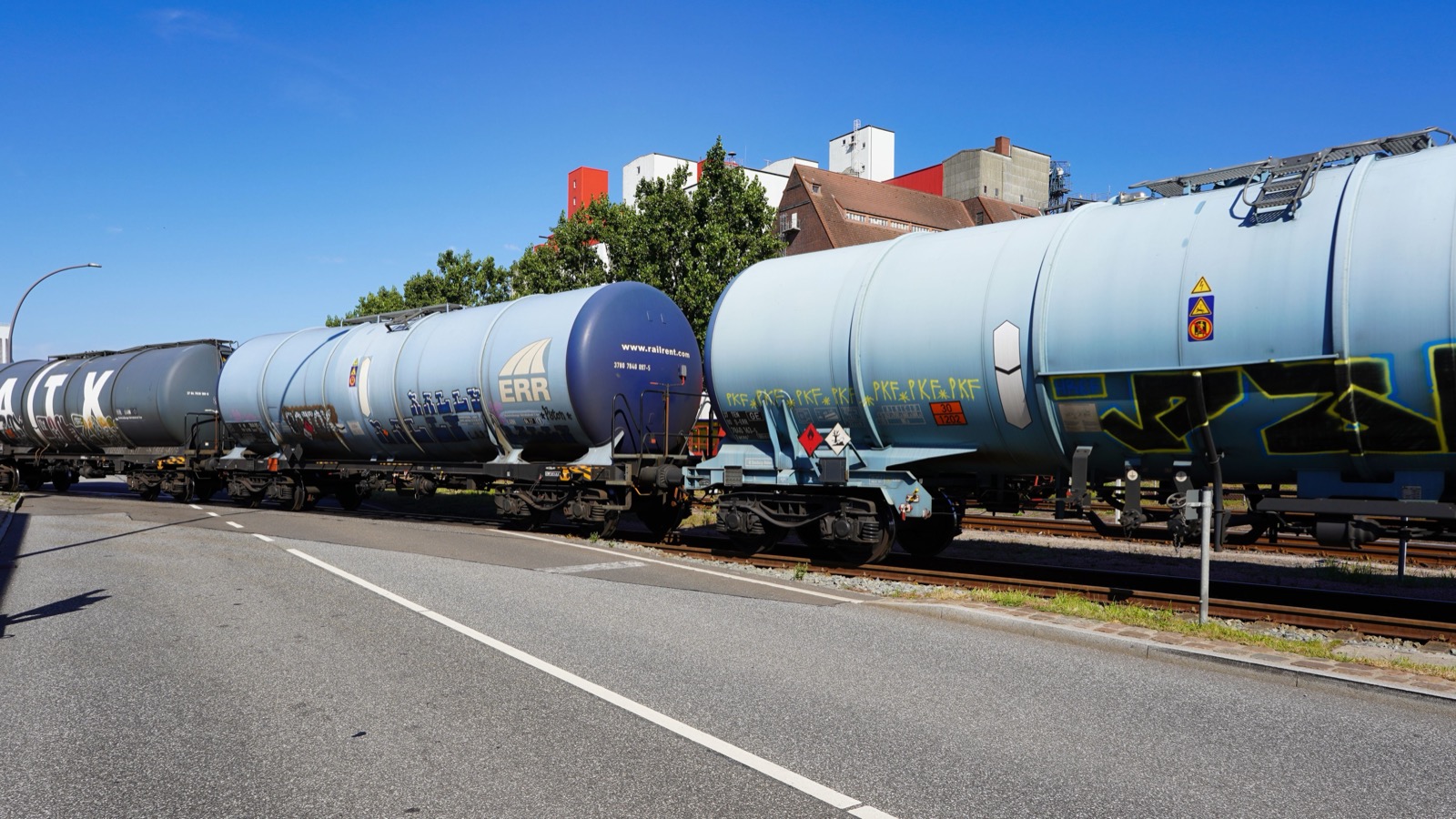
Controlled dangerous-goods inspection uses documentation, vapor screening and trace sampling to investigate anomalies during explosive-material transport or storage.
↗︎
A suspicious-baggage workflow moves a defined primary-screening alarm into controlled secondary inspection using hazard-specific methods and specialist escalation.
↗︎Tell us about your environment, target substances and operational requirements. We’ll help map the right path.
Start a conversation