01CS810
View 01
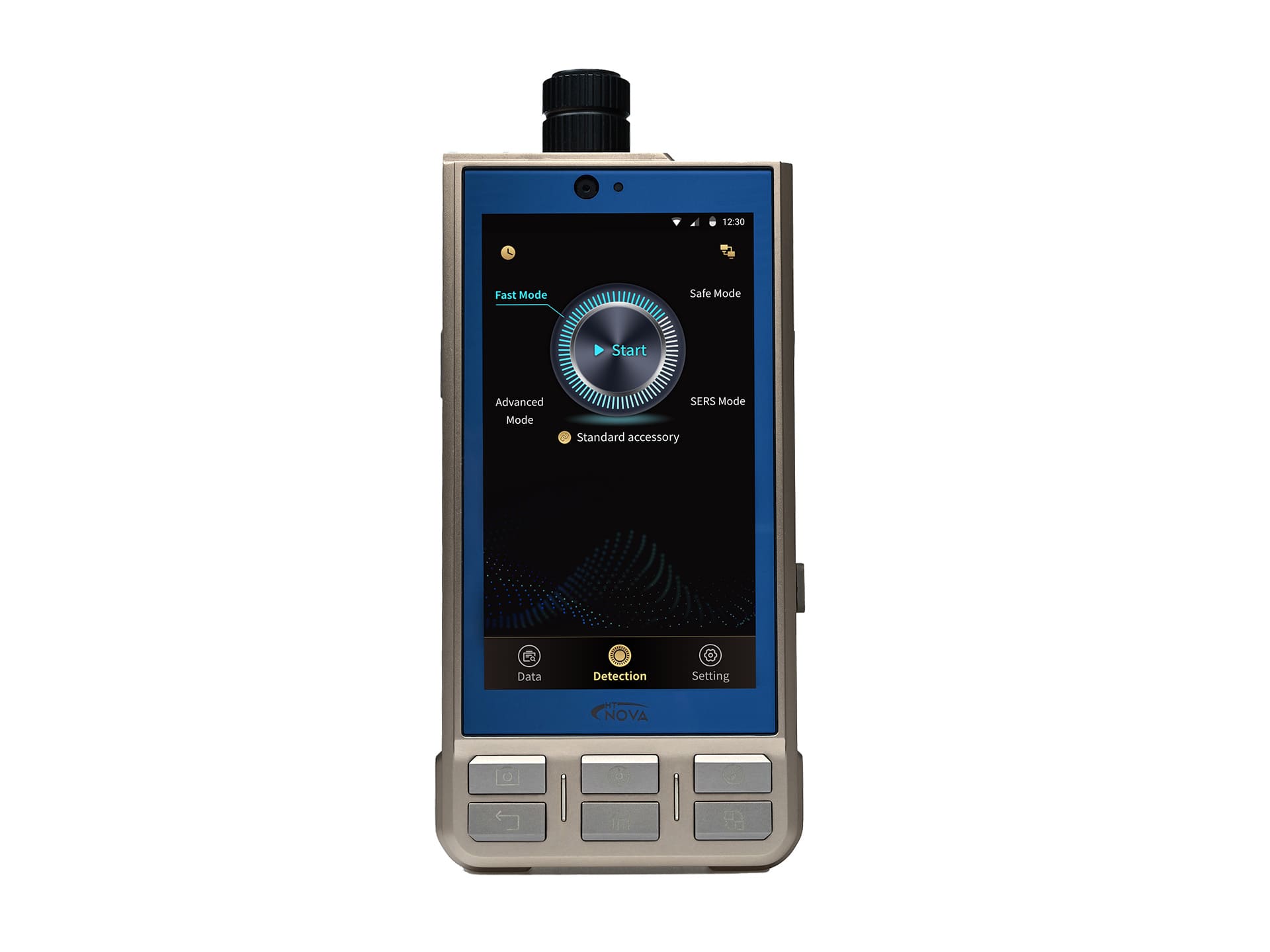
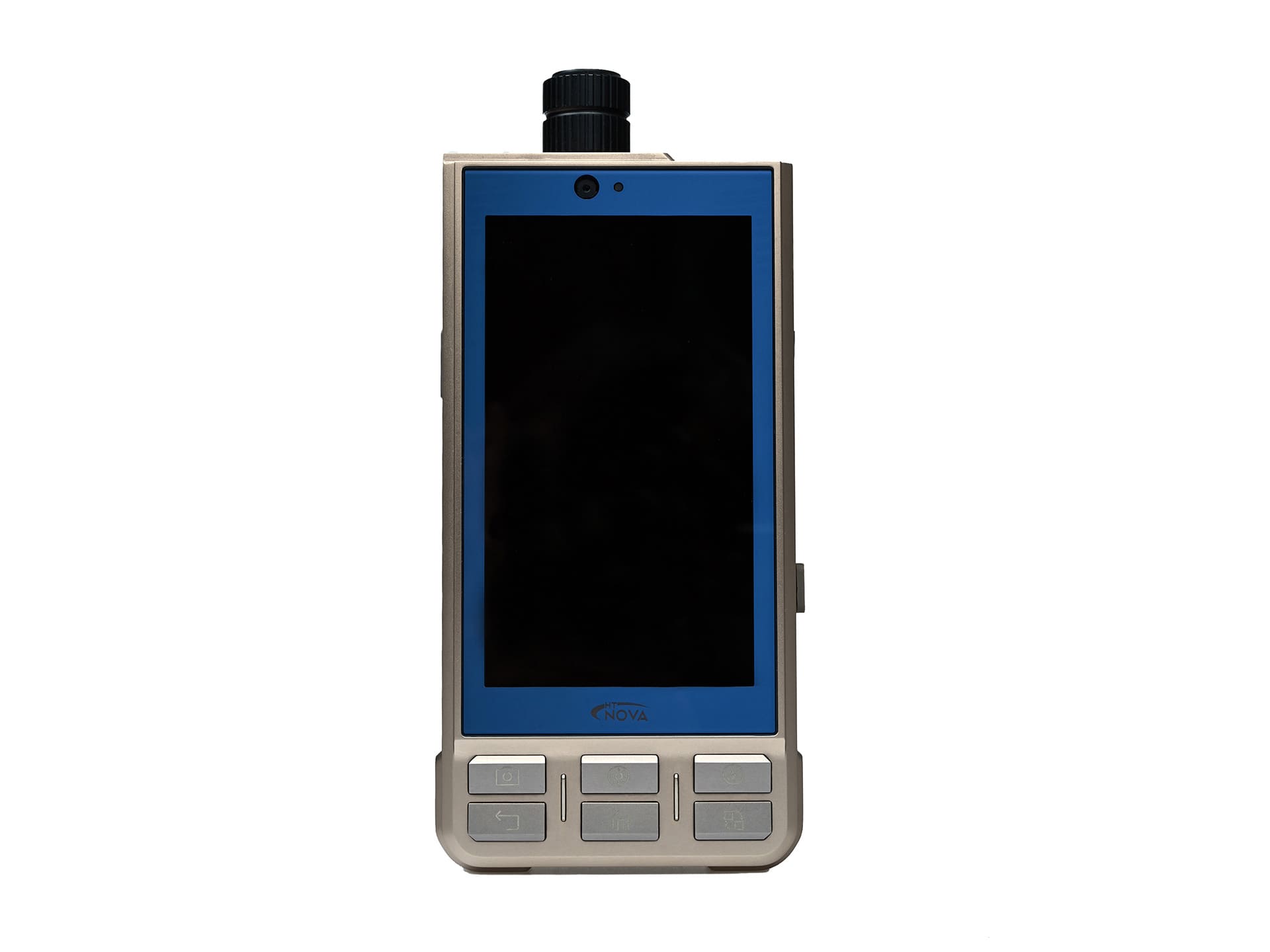
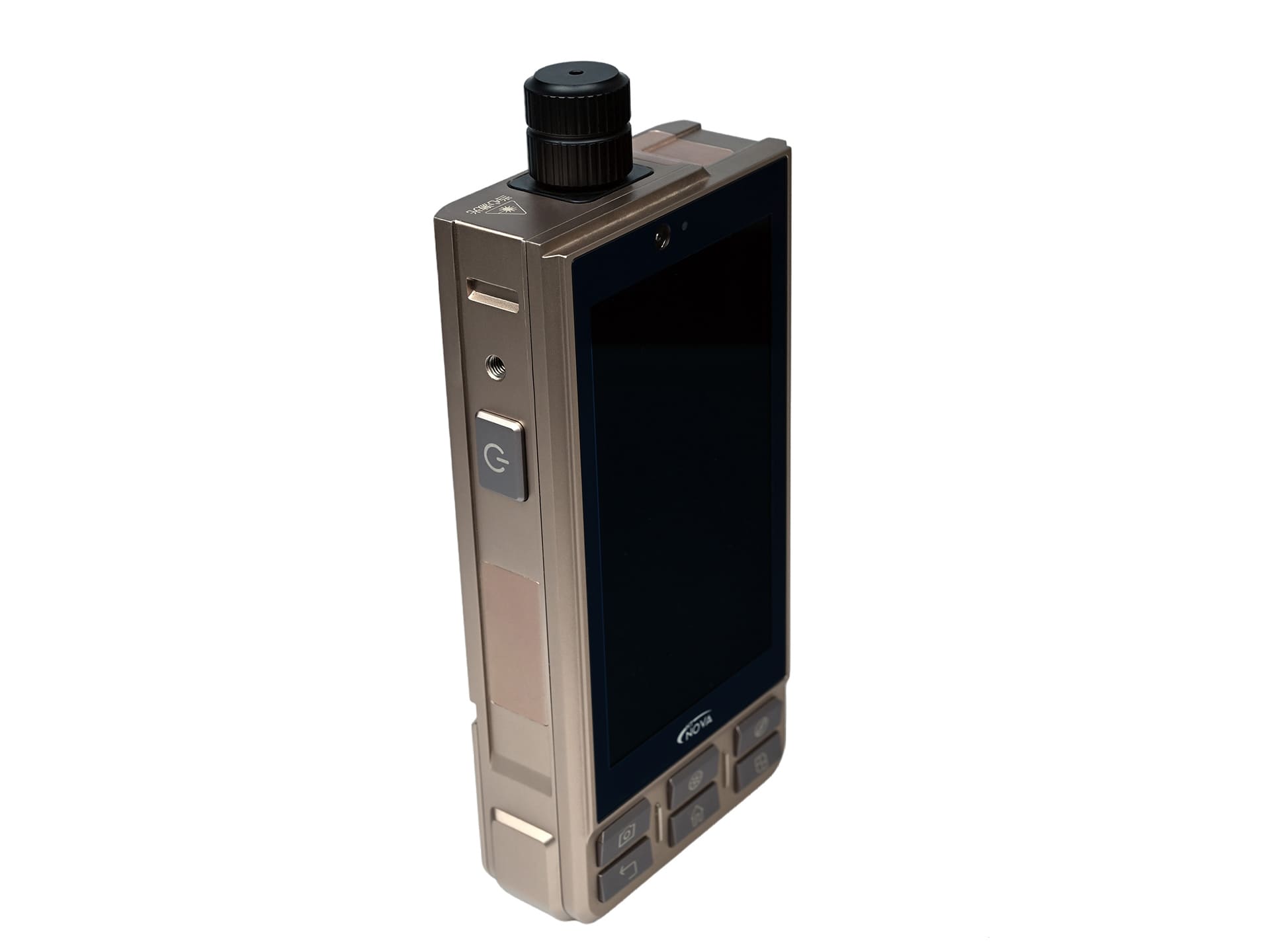
CS810 is a chemical substance analyzer that identifies unknown solids, liquids and powders in the field, combining advanced optical sensing with a cloud-connected software system. Results return in seconds with no sample preparation, consumables or reagents, and an interchangeable module architecture adapts the instrument to the sample in front of it.
Field identification usually fails not on the spectrometer but on the sample: it is too small, sealed in packaging, corrosive, strongly absorbing, or somewhere no one should stand. CS810 answers this by changing the instrument rather than the sample.
The base unit performs standard point-and-shoot identification. Beyond that, sampling modules are optional and ordered to requirement. Micro-area modules resolve particles and trace residues at micron scale. Penetrating modules screen through plastic, glass, paper and textile without opening the packaging. Remote modules extend the working distance to five to ten metres so an assessment can be made from behind cover. Immersion, dark substance and signal-enhancement modules cover corrosive liquids, strongly absorbing materials and trace concentrations in high-interference backgrounds.
Each module is recognised automatically on connection, so switching approach in the field is a matter of fitting the right module rather than reconfiguring the instrument. Analysis is both qualitative and quantitative.
View 01
View 02
View 03
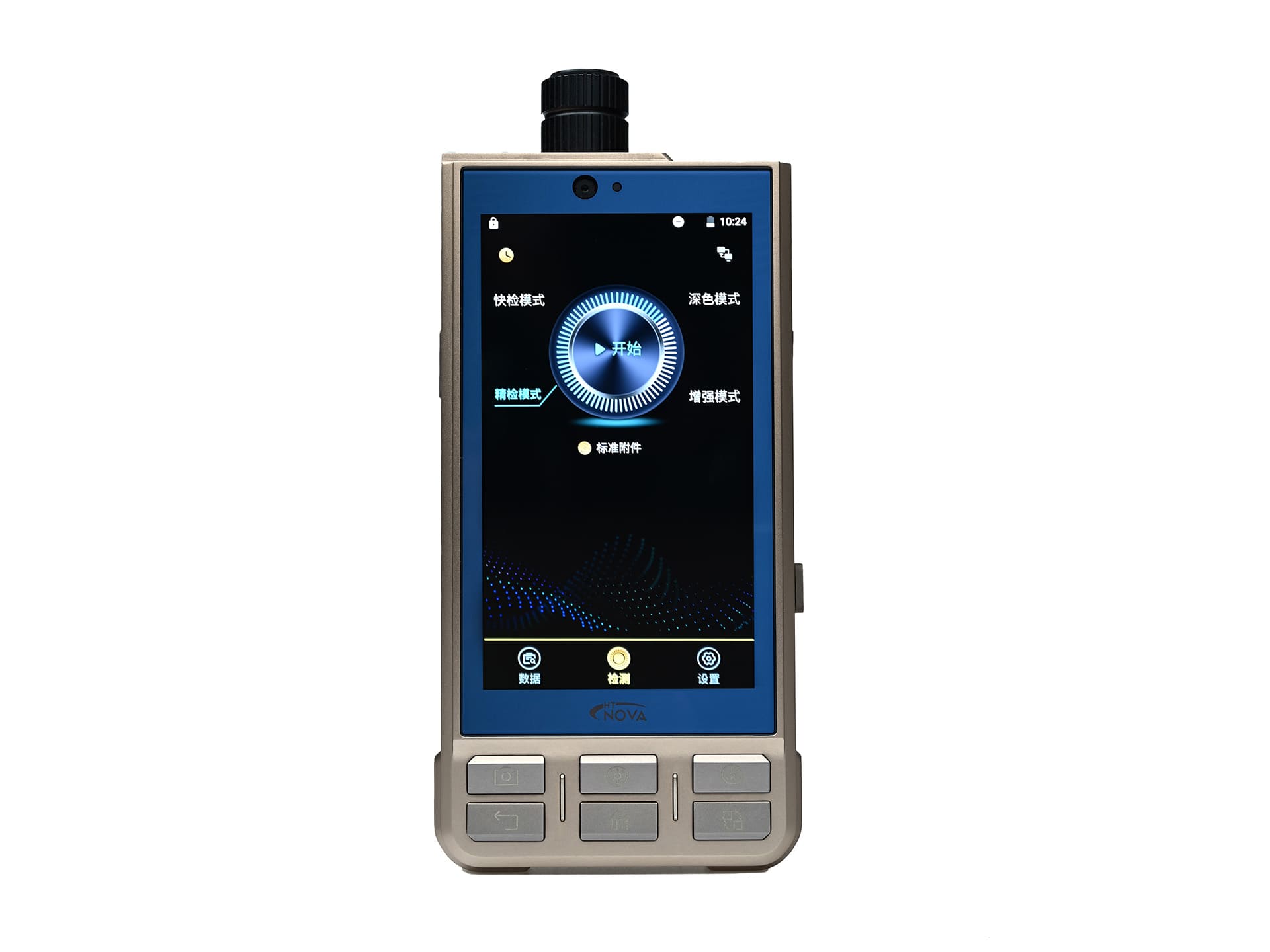
View 04
Analyses and identifies unknown substances.
Analyses microscopic samples down to the micron scale.
Detects materials directly through non-metallic packaging.
Analyses substances from 5-10 metres away.
Supports direct immersion in liquids, including corrosive solvents.
Reduces interference from surrounding light.
Improves detection of low-concentration substances against strong interference backgrounds.
Reduces thermal effects to help prevent ignition or detonation of the tested substance.
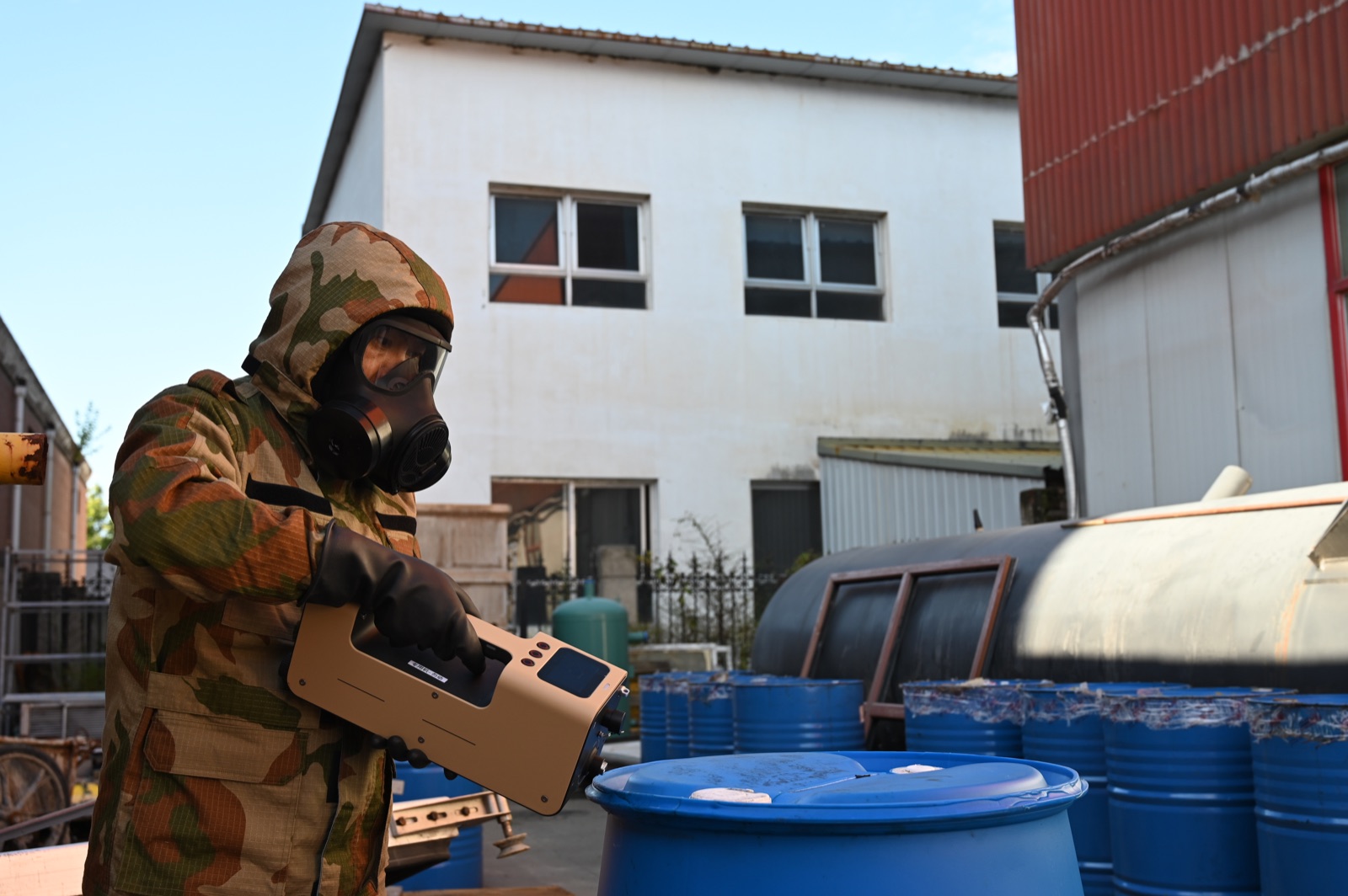
An illustrative response scenario showing how perimeter monitoring, complementary field instruments and disciplined sampling can support the assessment of an unknown chemical release.
↗︎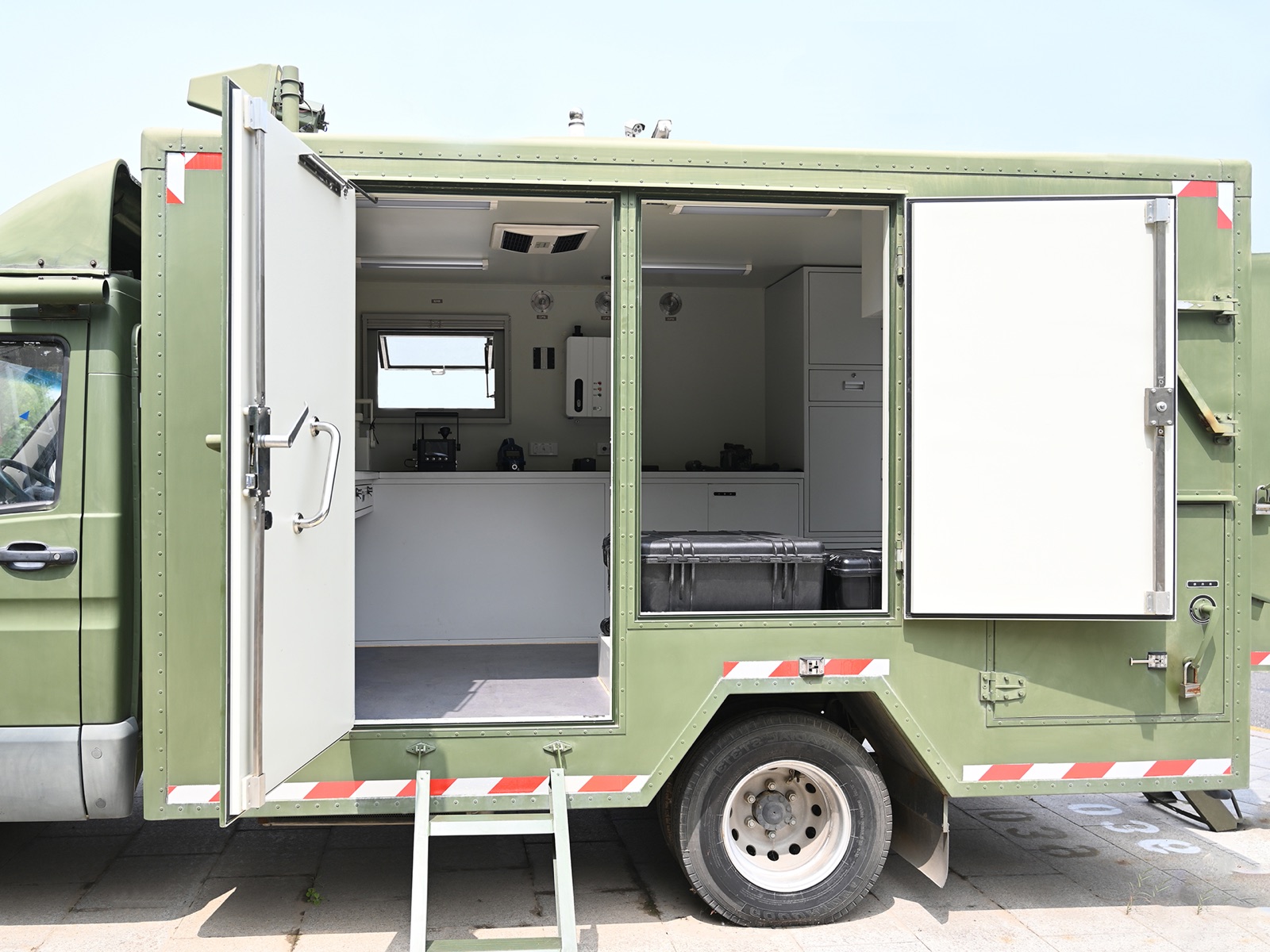
An illustrative scenario for bringing selected analytical capability closer to a controlled incident area and shortening the information cycle between collection, analysis and operational decision.
↗︎
A method-led analytical workflow uses Raman, gas separation and ion-mobility techniques for different questions in rapid material research.
↗︎
At-line Raman verification supports production quality by checking compatible raw materials, intermediates or finished products against governed reference methods.
↗︎Tell us about your environment, target substances and operational requirements. We’ll help map the right path.
Start a conversation