
Worker exposure
Track toxic gases and vapours where people work. Coverage can follow shifts, confined spaces and higher-risk maintenance tasks.
Connect fixed, portable and autonomous sensing to reveal leaks, exposure and process changes before they interrupt production. Give operators the evidence to intervene early while keeping people, assets and output protected.
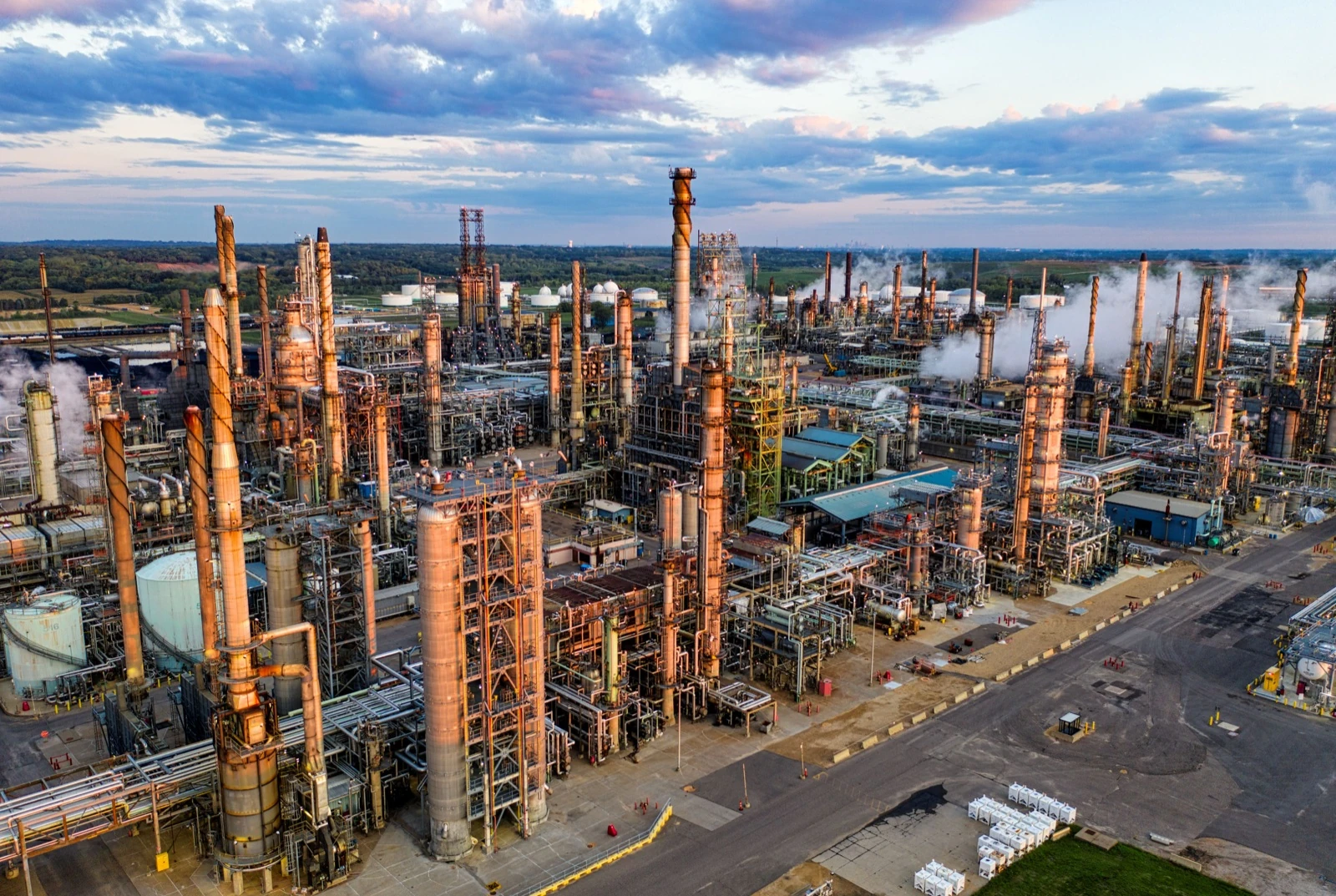
Each industrial decision is matched to a different instrument role. GD624 provides multi-gas area monitoring at critical locations; GD606 gives field teams a configurable portable gas check; CP1000 separates and measures selected VOCs when compound-specific analysis is required; and CR2000 identifies unknown solids, powders and liquids.
The resulting system is configured around the site's actual substances, processes and exposure routes. Continuous warning, portable verification and analytical identification remain distinct layers, so no single reading is asked to answer every safety question.
Track toxic gases and vapours where people work. Coverage can follow shifts, confined spaces and higher-risk maintenance tasks.
Flag leaks, abnormal emissions and changing conditions early. Trend data helps distinguish a temporary fluctuation from a condition that needs intervention.
Give operators usable information before an alarm becomes an incident. Source, concentration and location data support isolation, PPE and evacuation decisions.
A clear sequence connects early indication, field confirmation and a defensible decision - giving every team a shared understanding of what happens next.
Continuous sensing establishes the normal operating baseline. Networked measurements reveal when and where conditions begin to move outside it.
Portable instruments identify the source and substance at the scene. A focused field reading narrows the affected area and confirms the appropriate response.
Connected alerts guide isolation, maintenance and response. A shared record keeps control-room staff and field teams working from the same information.
GD624 is an environmental chemical monitoring system that detects up to 24 gases at once using multi-sensor, multi-channel direct detection, integrating optical ionization, electrochemical and infrared sensors. It is built for real-time monitoring of toxic, hazardous and flammable gases in emergency response, firefighting and industrial environments.
GD606 is a handheld multi-gas detector that continuously monitors VOCs, combustible gases and other toxic and harmful gases. It accepts photoionization, electrochemical, catalytic combustion and semiconductor sensors on a plug-and-play basis, so one instrument can be configured for the hazards of a particular site.
CP1000 is a portable gas chromatograph analyzer for volatile organic compounds, providing both qualitative and quantitative results from gas samples. Battery powered and compact, it runs continuous total-VOC monitoring or switches to analysis mode to measure specific hazardous substances in workplace air and explosion-hazard areas.
CR2000 is a rugged handheld identifier for chemical warfare agents, explosives, dangerous goods and drugs, with simultaneous radioactive monitoring. It brings spectral resolution close to laboratory desktop instruments into a hand-sized device built for complex, harsh environments.
Early leak detection and prevention: Continuous monitoring of chemical levels or abnormal emissions provides early warnings of potential leaks or spills. This proactive approach helps prevent accidents and ensures timely intervention before situations escalate, safeguarding worker safety
Air quality monitoring: These sensors not only detect the presence of harmful chemicals but also monitor the air quality within facilities. By providing real-time data on air pollutants, they enable the implementation of effective ventilation systems and air filtration measures to maintain a safe working environment
Process optimization and control: Integrated with industrial automation systems, our sensors can help optimize processes by providing feedback on chemical concentrations and environmental conditions. This data facilitates adjustments to production parameters, ensuring efficiency while minimizing environmental impact
Enhanced worker safety: Our sensors play a critical role in safeguarding the health and well-being of employees by detecting toxic gases or vapors that may pose risks to worker health. Combined with personal protective equipment (PPE) and alarm systems, these sensors ensure rapid response and evacuation in emergency situations
Emergency response preparedness: In the event of a chemical incident, specialized sensors provide crucial information to emergency response teams, enabling them to accurately assess the situation and implement effective containment and mitigation strategies. By enhancing preparedness and coordination, these sensors help minimize the impact of emergencies on personnel and the environment
Tell us about your environment, target substances and operational requirements. We’ll help map the right path.
Start a conversation