
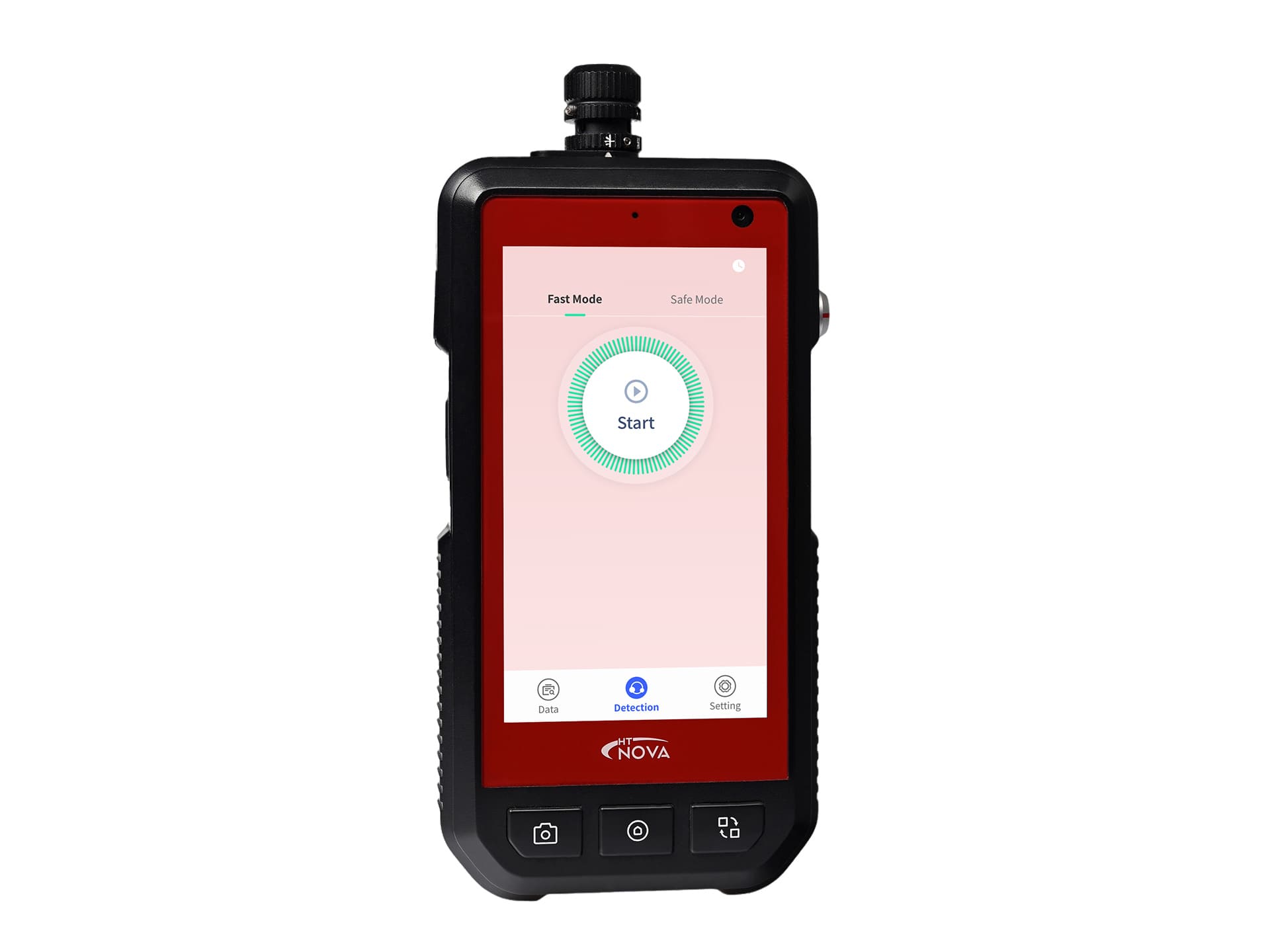
01CR1600
View 01
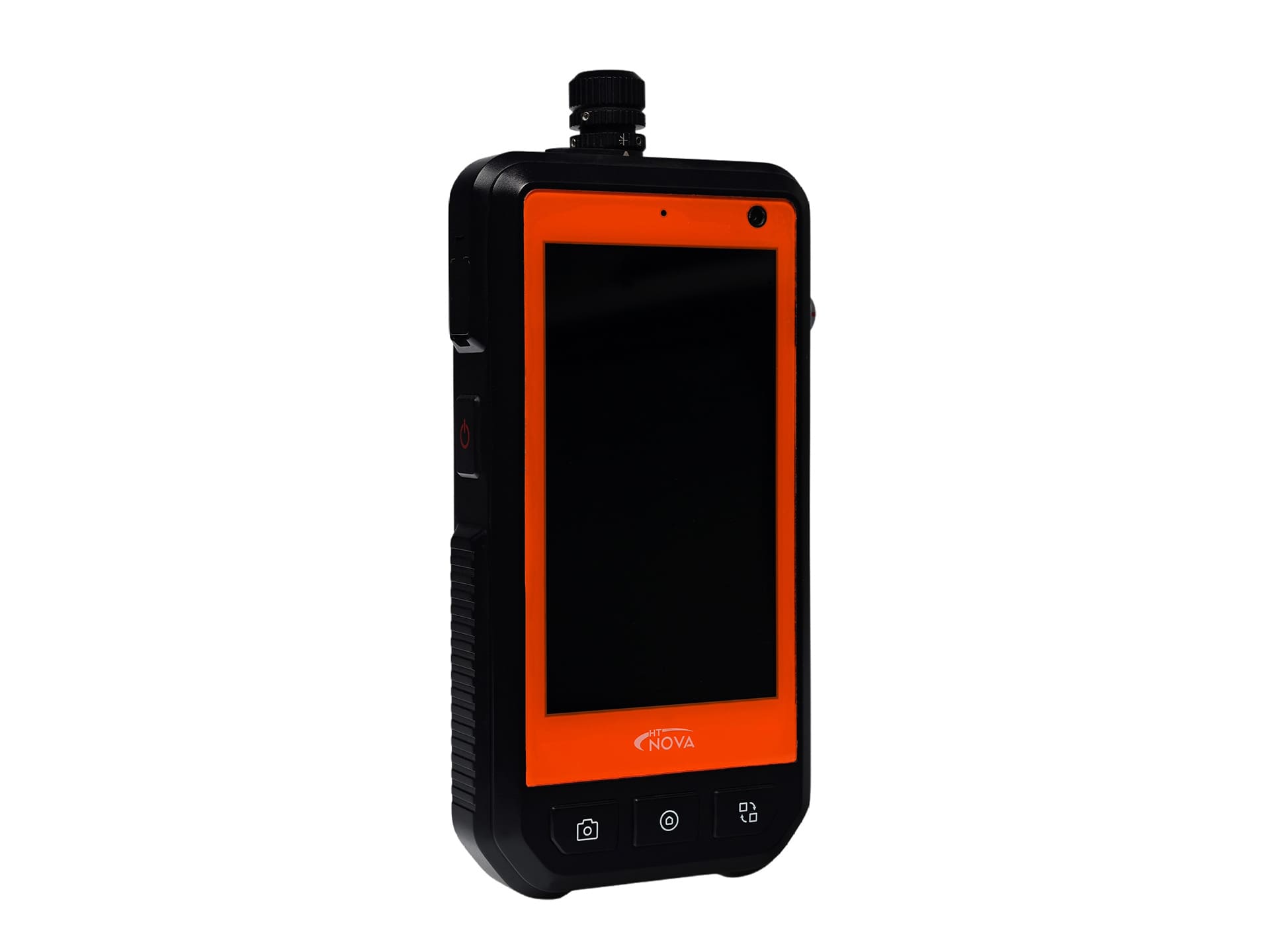
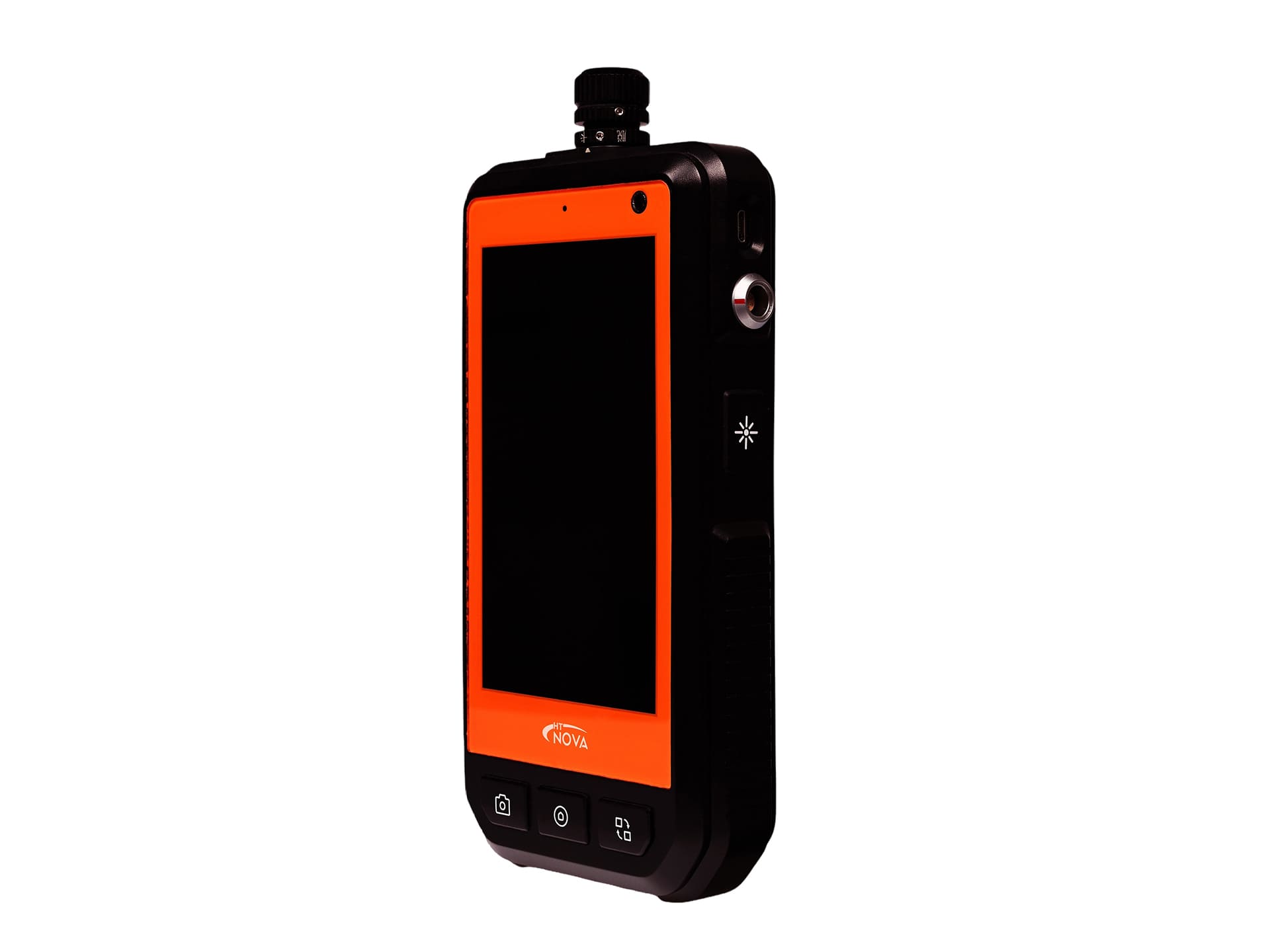
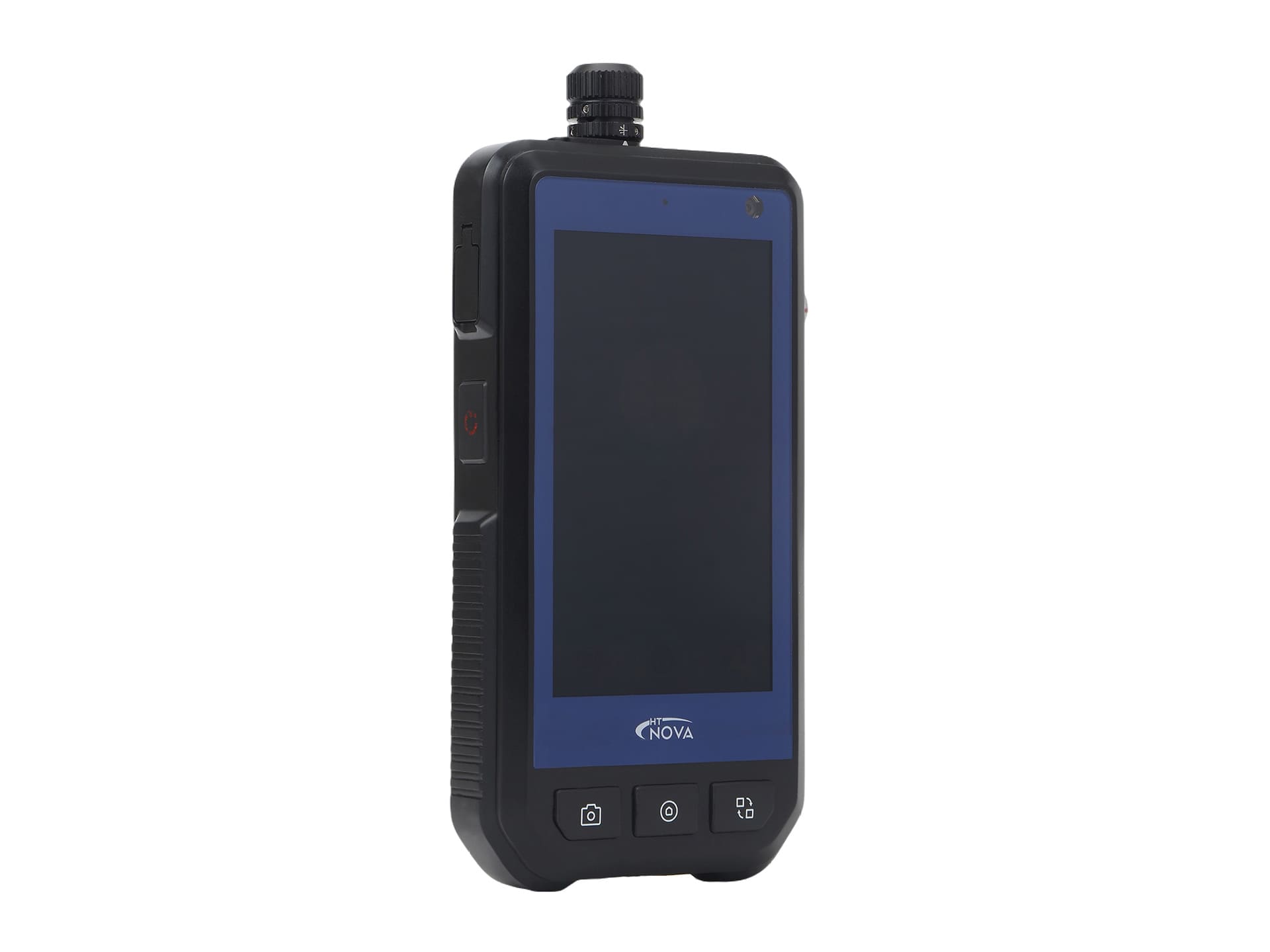
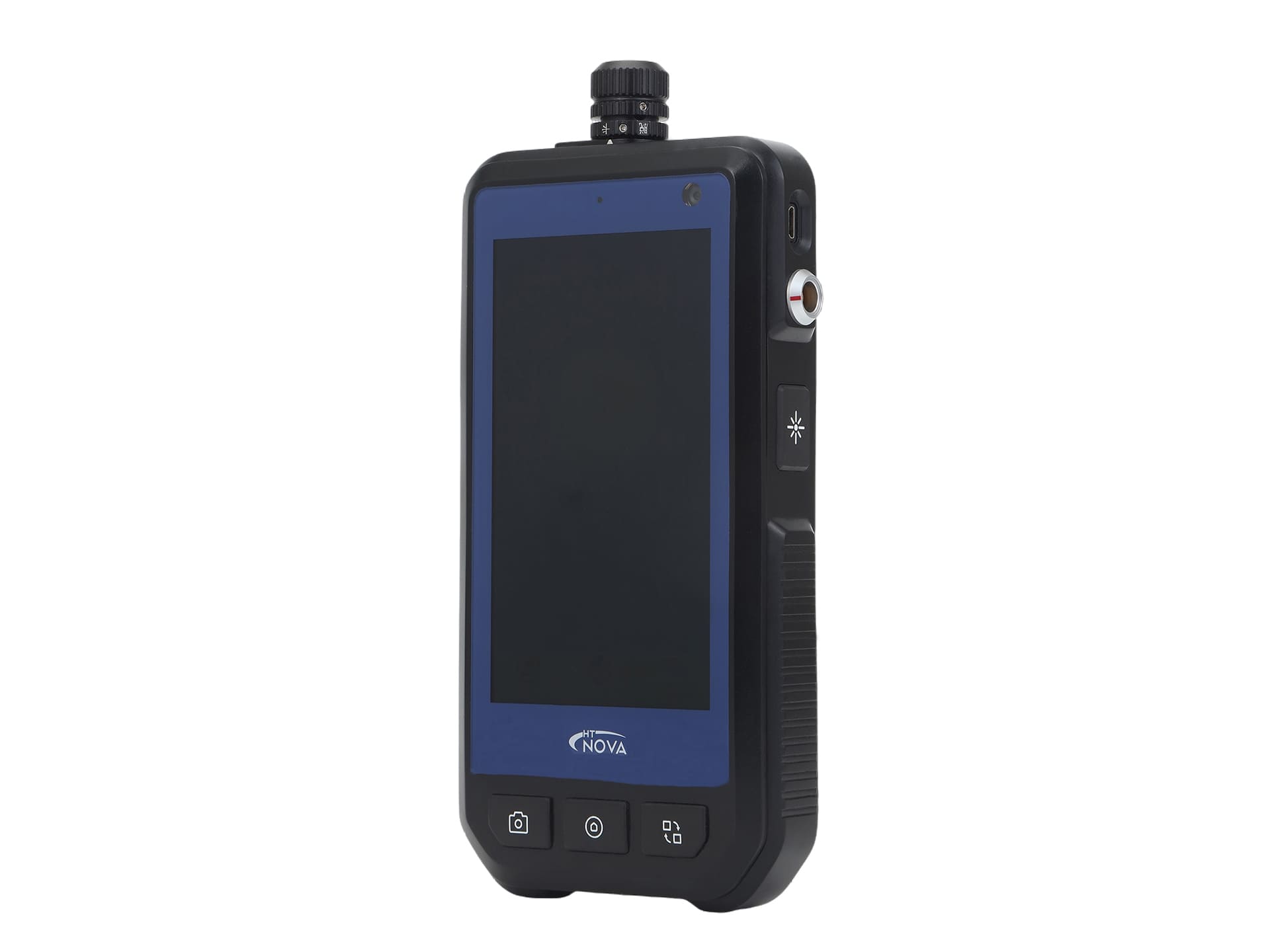
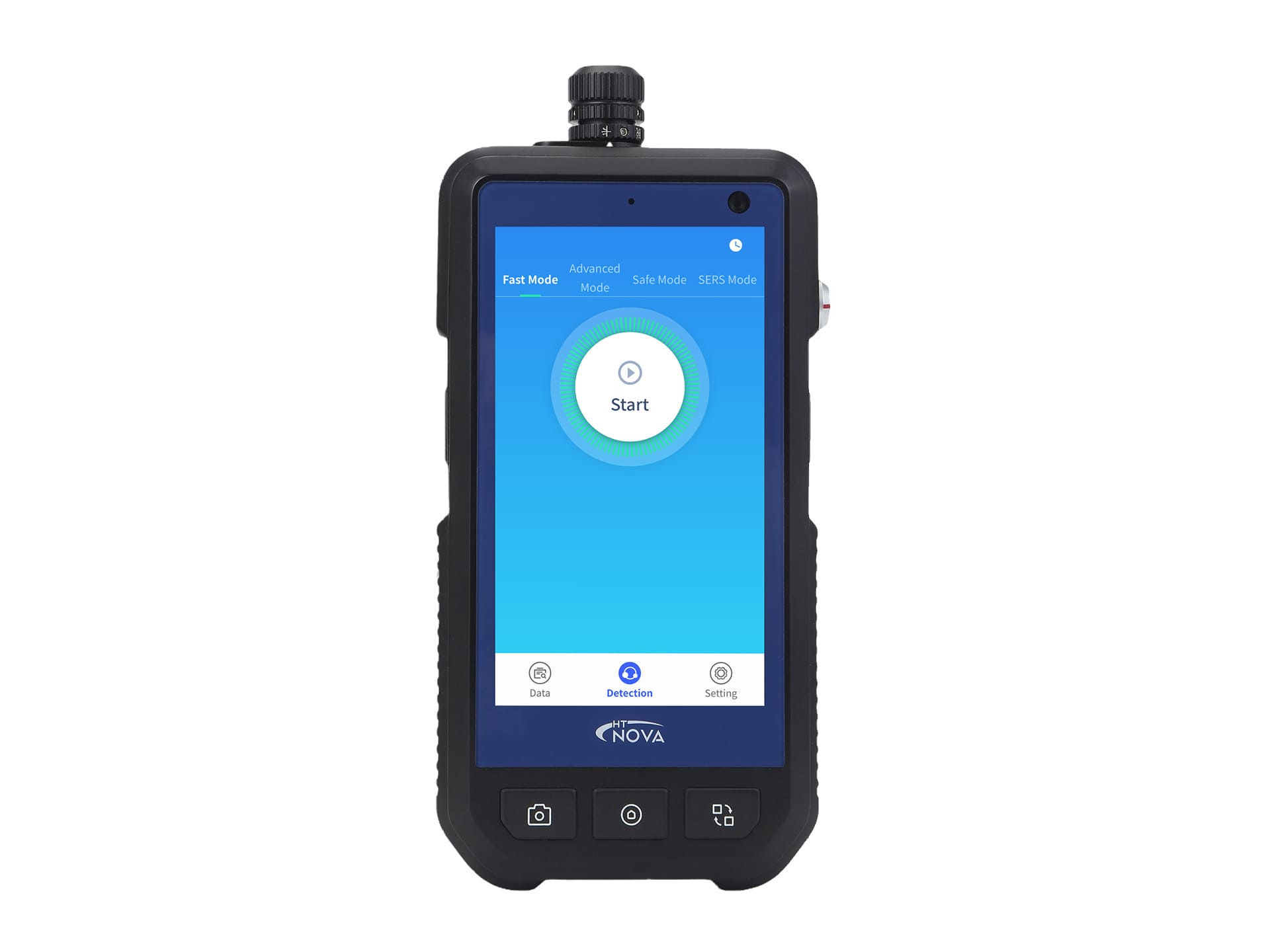
CR1600 is a handheld Raman identification device supplied in mission-specific versions for police and security, emergency response and hazmat, and borders and customs. Each version carries a database configured for that role, and identifies explosives, narcotics and hazardous chemicals in the field without sampling.
The substances a customs officer meets are not the substances a hazmat team meets. Rather than ship one general-purpose library, CR1600 is configured per task force, so the database an operator works with reflects the materials that role actually encounters.
Identification is direct: solids, powders, pastes and liquids are scanned through translucent packaging and containers, with no sample preparation and no contact with the material. A five-inch high-resolution touch screen keeps operation simple under field conditions, and results are presented with handling guidance rather than raw spectra.
The HT-MARS AI algorithm runs both on the device and in the cloud, sustaining accuracy on pure substances and mixtures while reducing the influence of ambient light and differences between operators. On-device analysis works without a connection; over WiFi or 4G the instrument links to the HT-Vision platform for an expanded database, advanced algorithms and central data transfer, storage and analysis.
View 01
View 02
View 03
View 04
View 05
View 06
Cloud services with real time connection to HT-Vision ® platform, providing access to expanded cloud database, advanced algorithm, real-time data transfer, data storage, and data analysis
Can be used with HT-FAITHS TM Enhanced Narcotics Testing kit for accurate detection of fentanyl and heroin (optional)

Explore the related operating environment
↗︎
Explore the related operating environment
↗︎
Explore the related operating environment
↗︎
Explore the related operating environment
↗︎
Explore the related operating environment
↗︎
Explore the related operating environment
↗︎
Explore the related operating environment
↗︎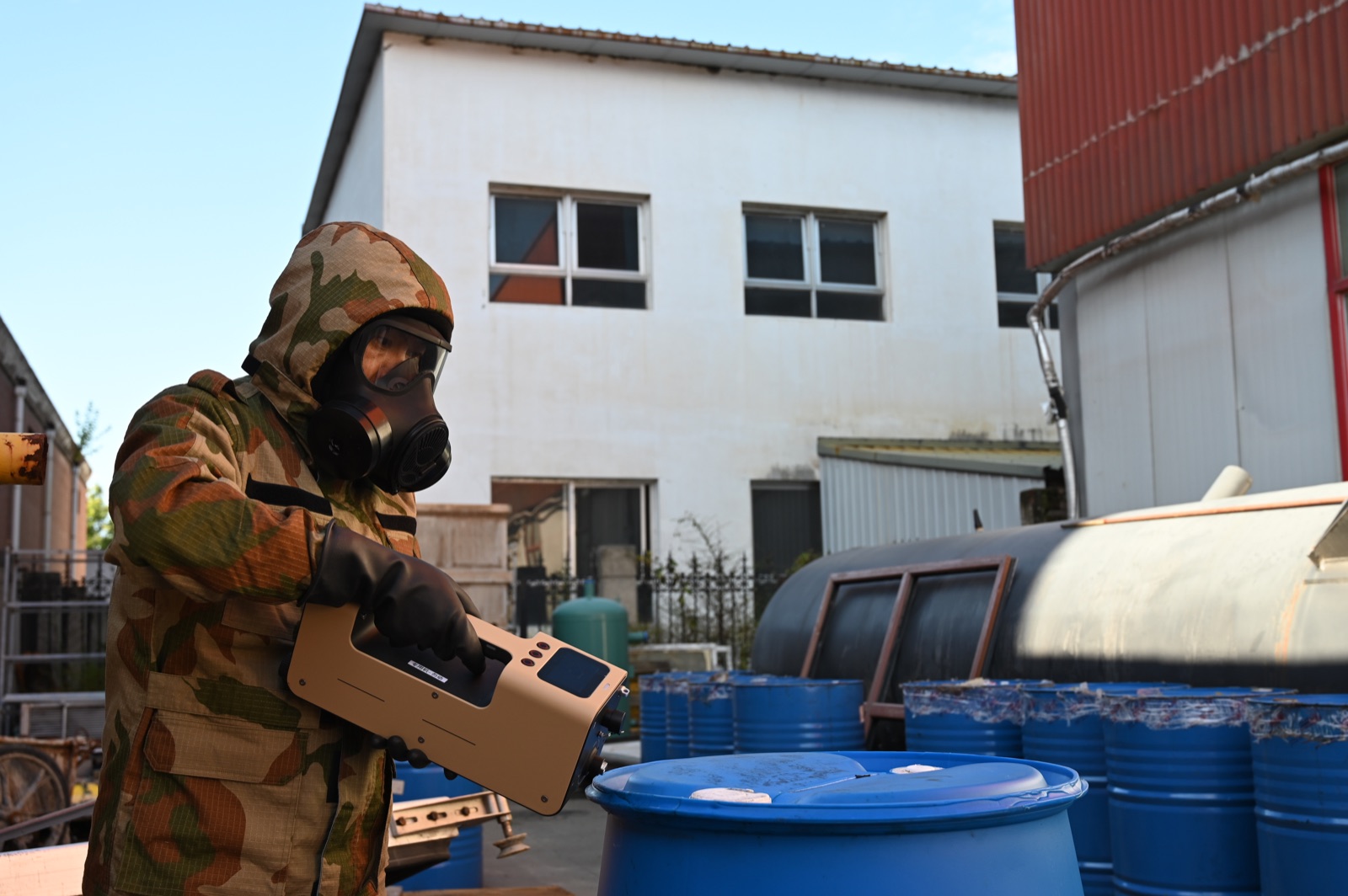
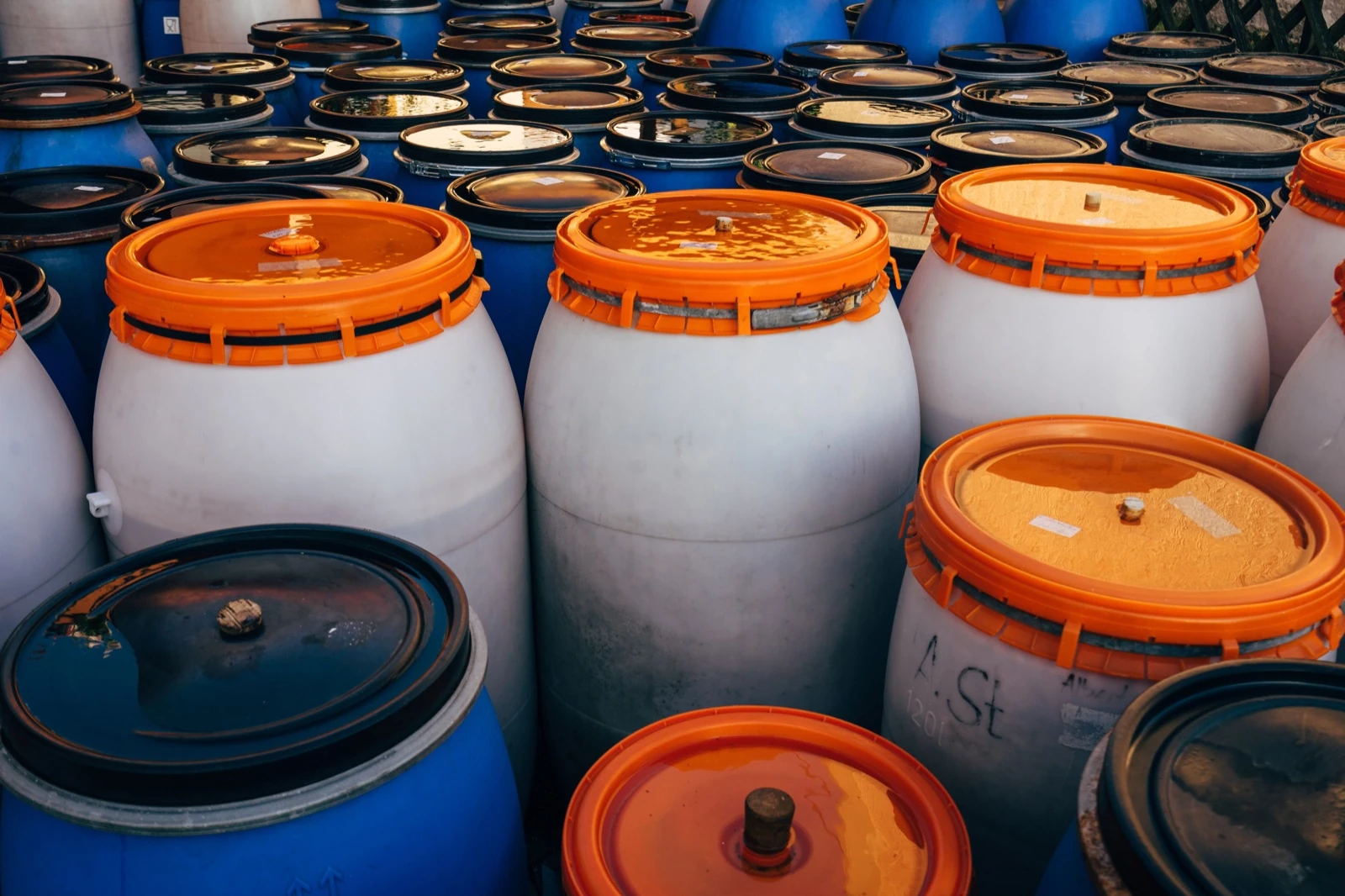
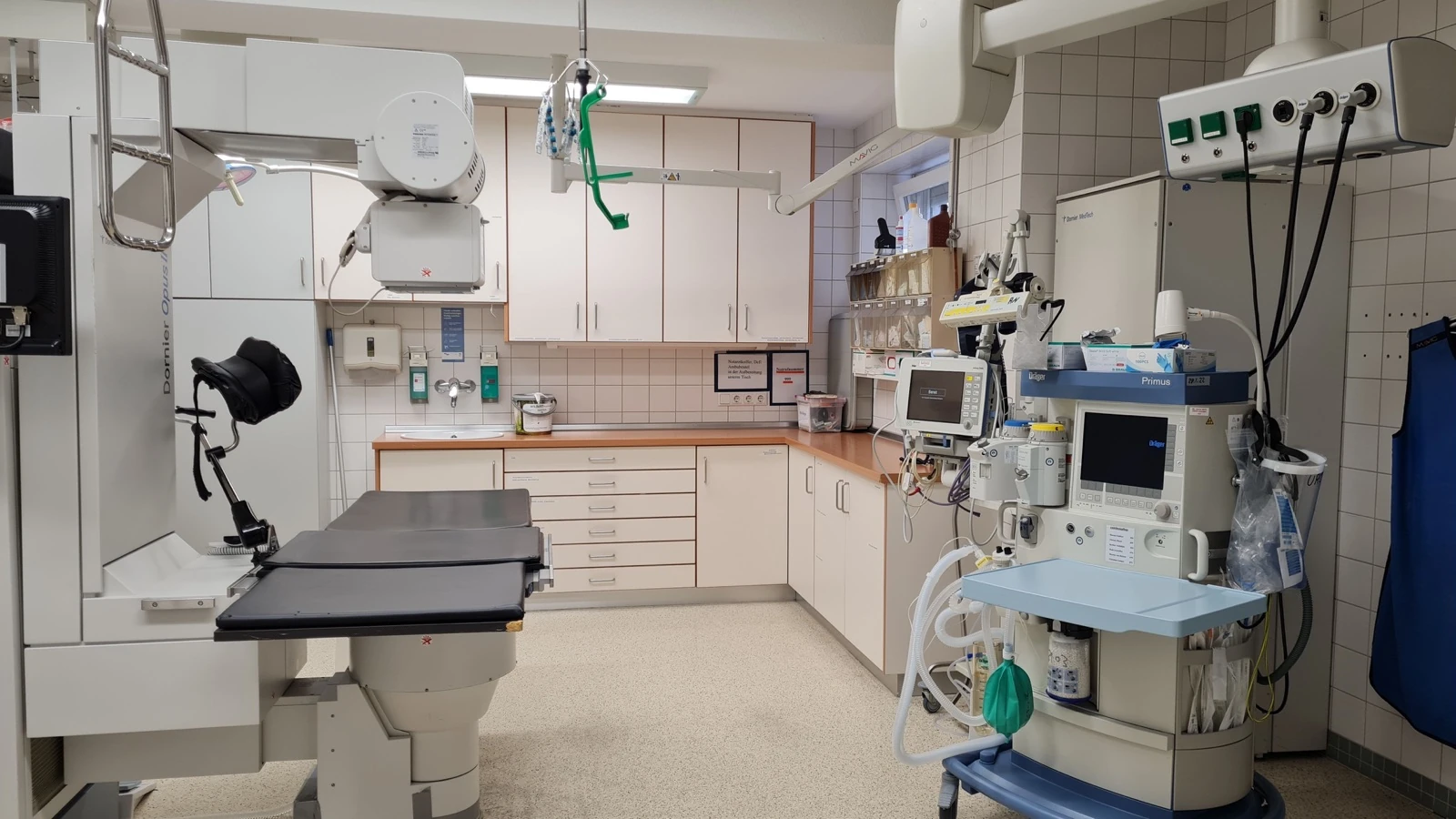
An illustrative response scenario showing how perimeter monitoring, complementary field instruments and disciplined sampling can support the assessment of an unknown chemical release.
↗︎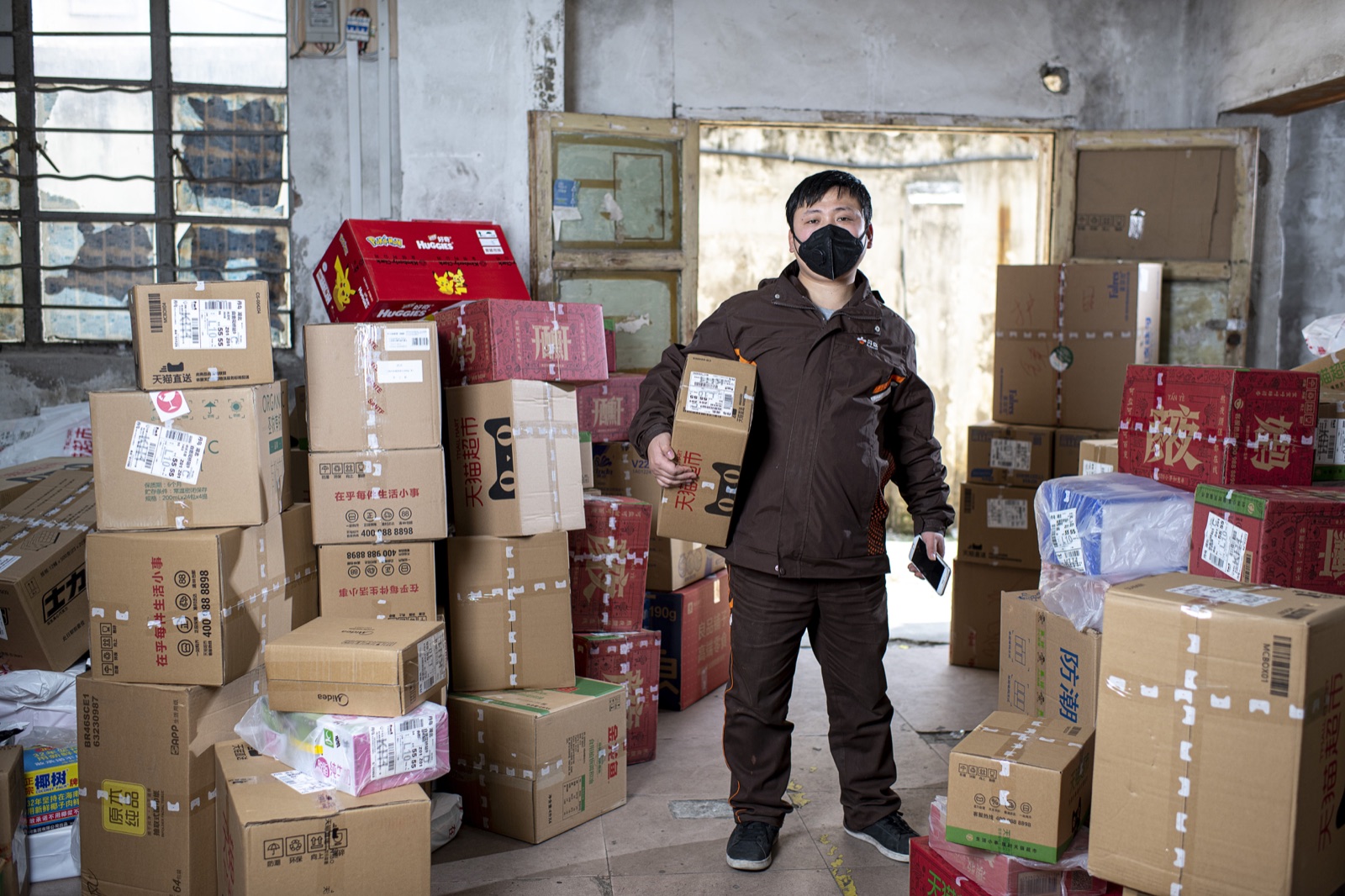
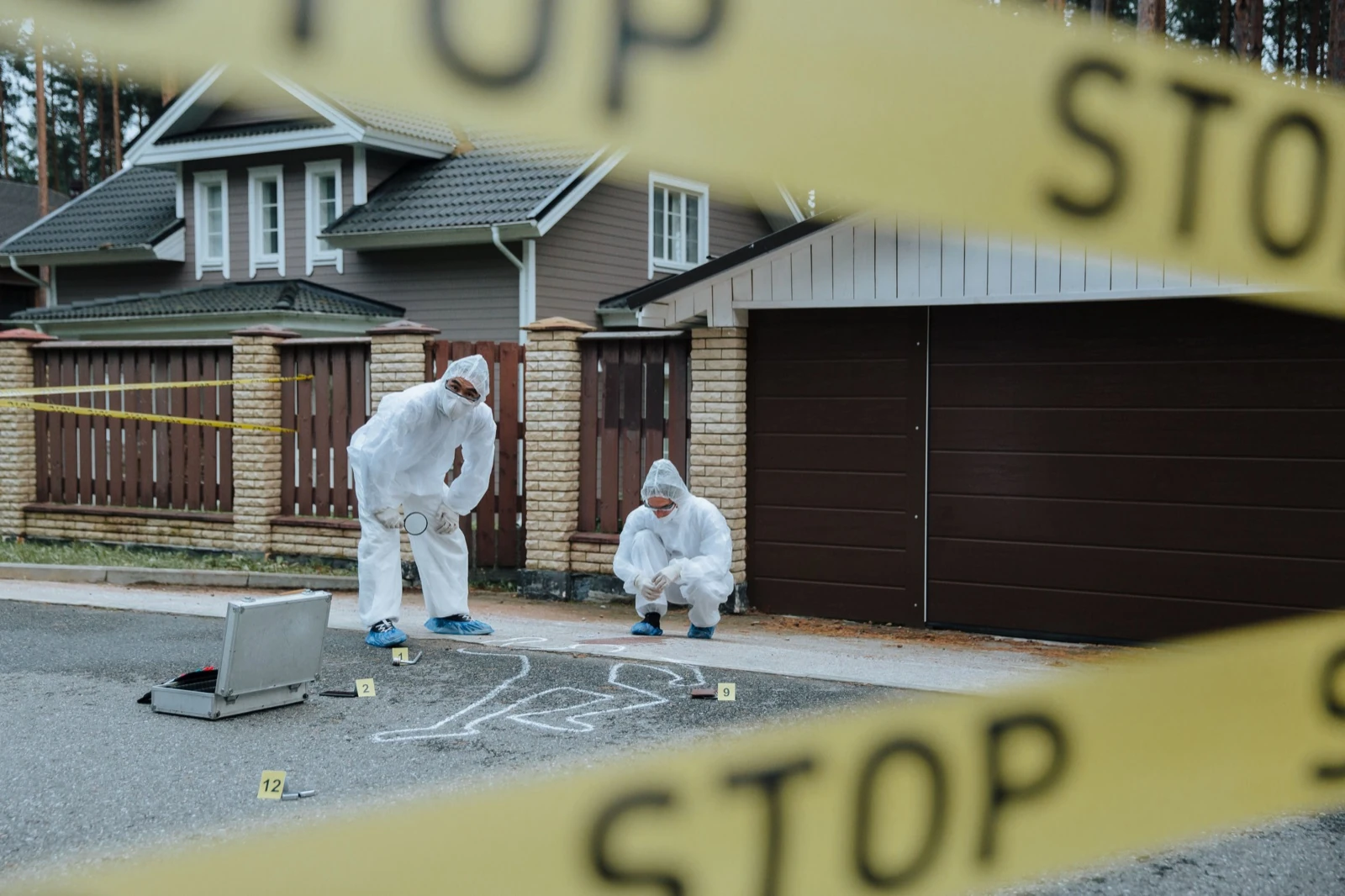
An illustrative security scenario for evaluating a suspicious package through isolation, carefully selected CBRNE screening technologies and controlled escalation.
↗︎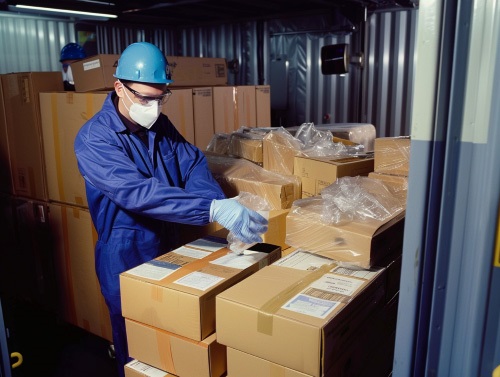
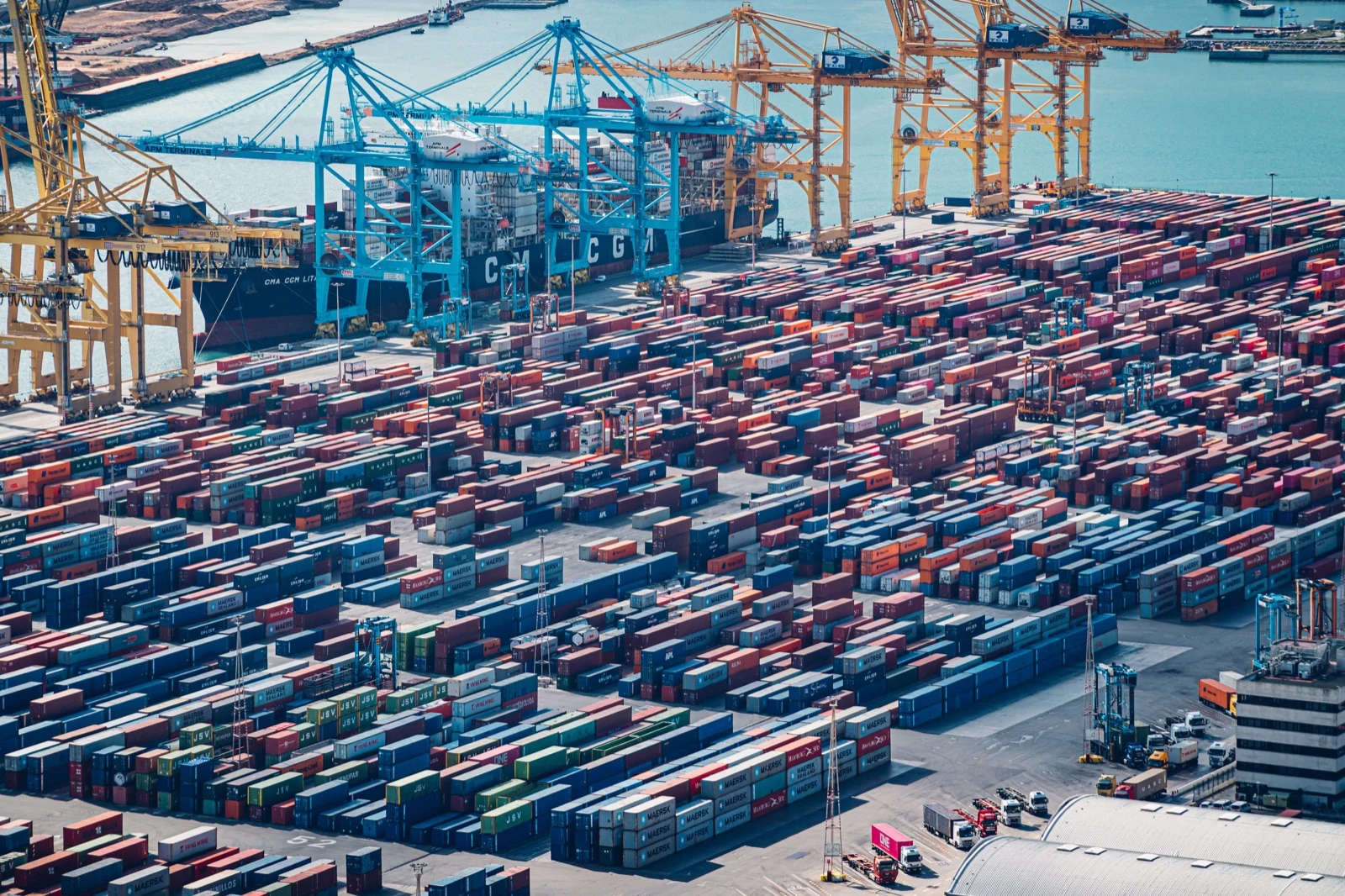
Layered customs secondary inspection applies material identification, trace screening and radiation assessment according to the initial indicator and legal procedure.
↗︎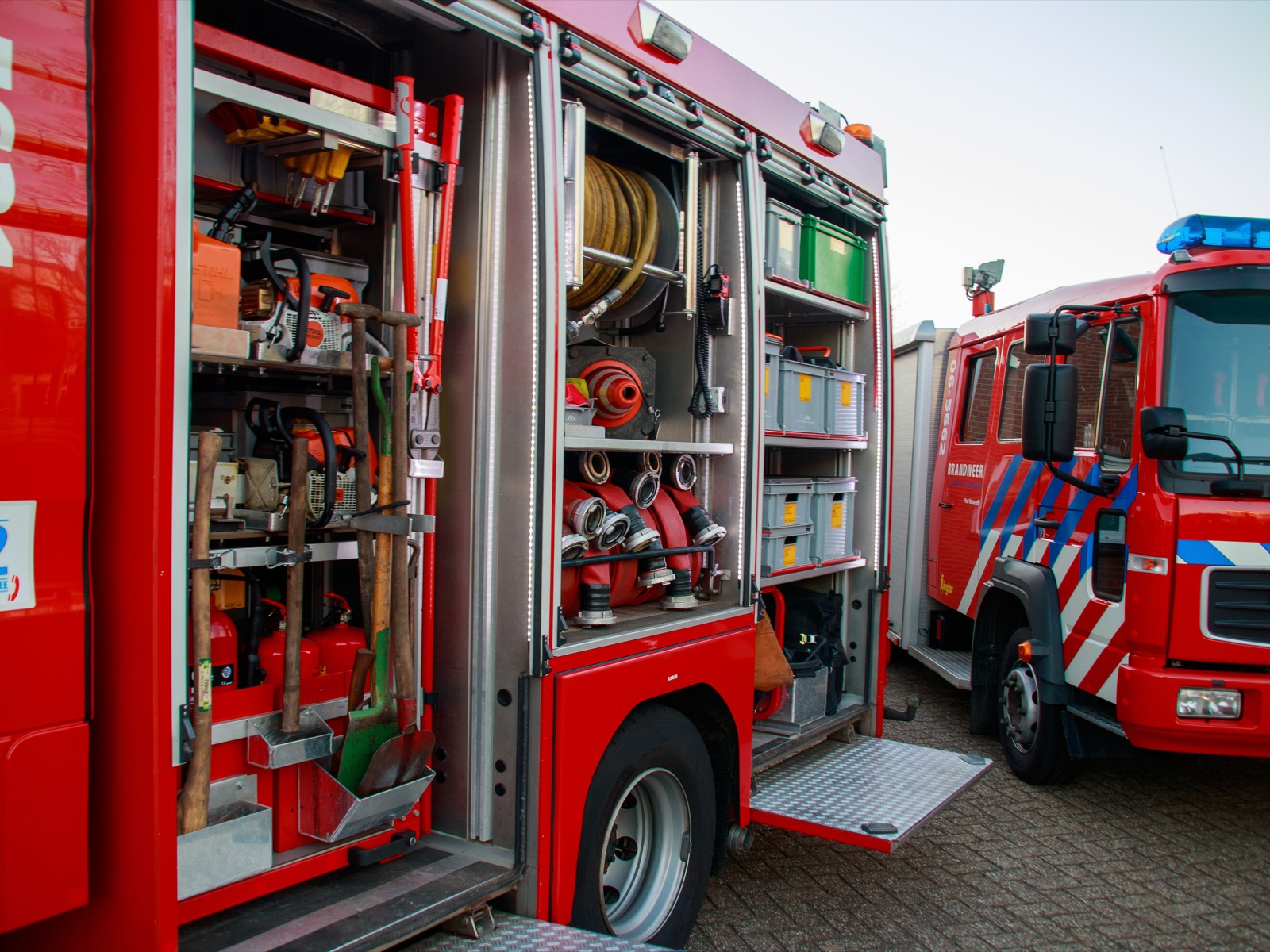
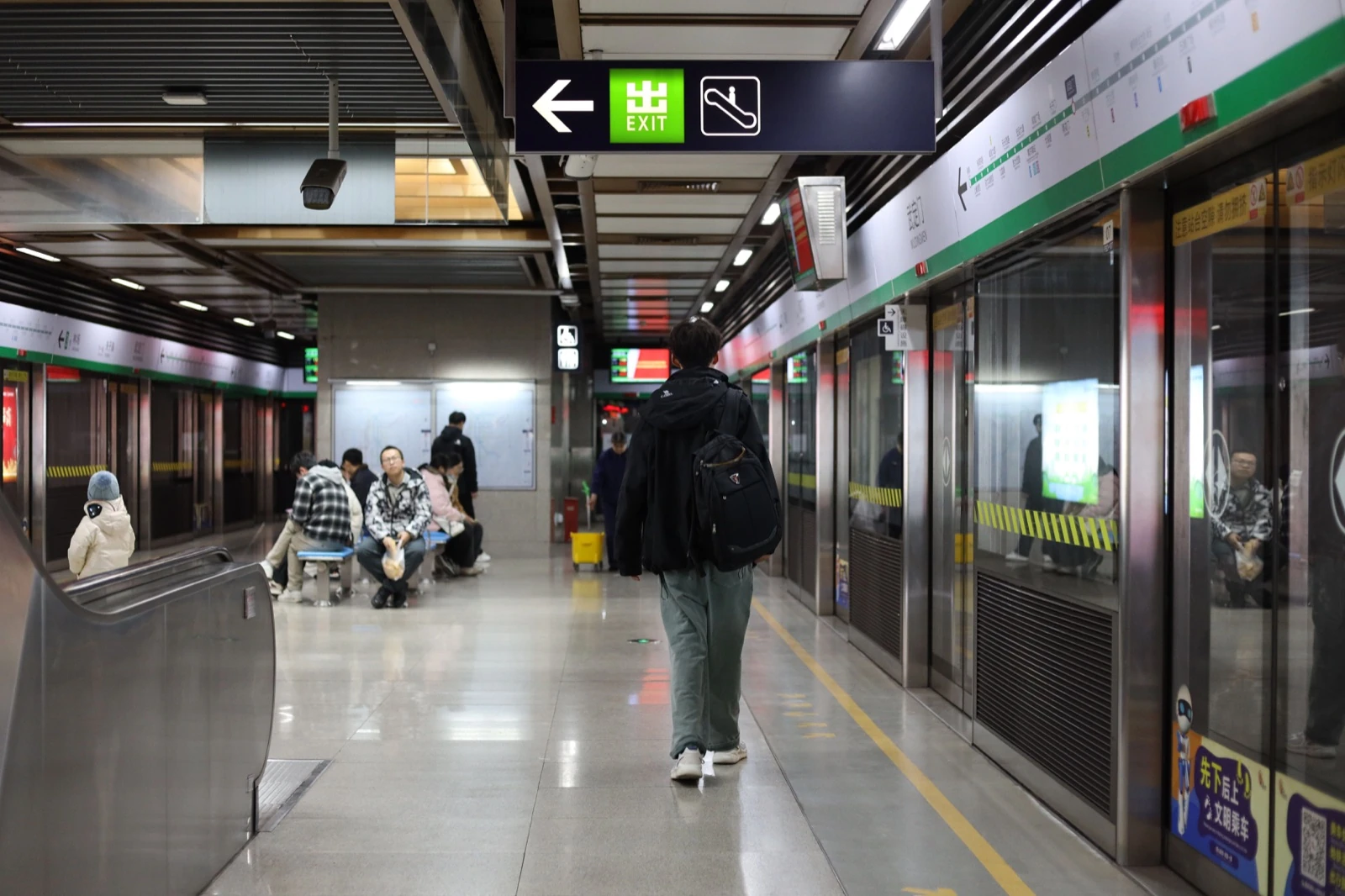
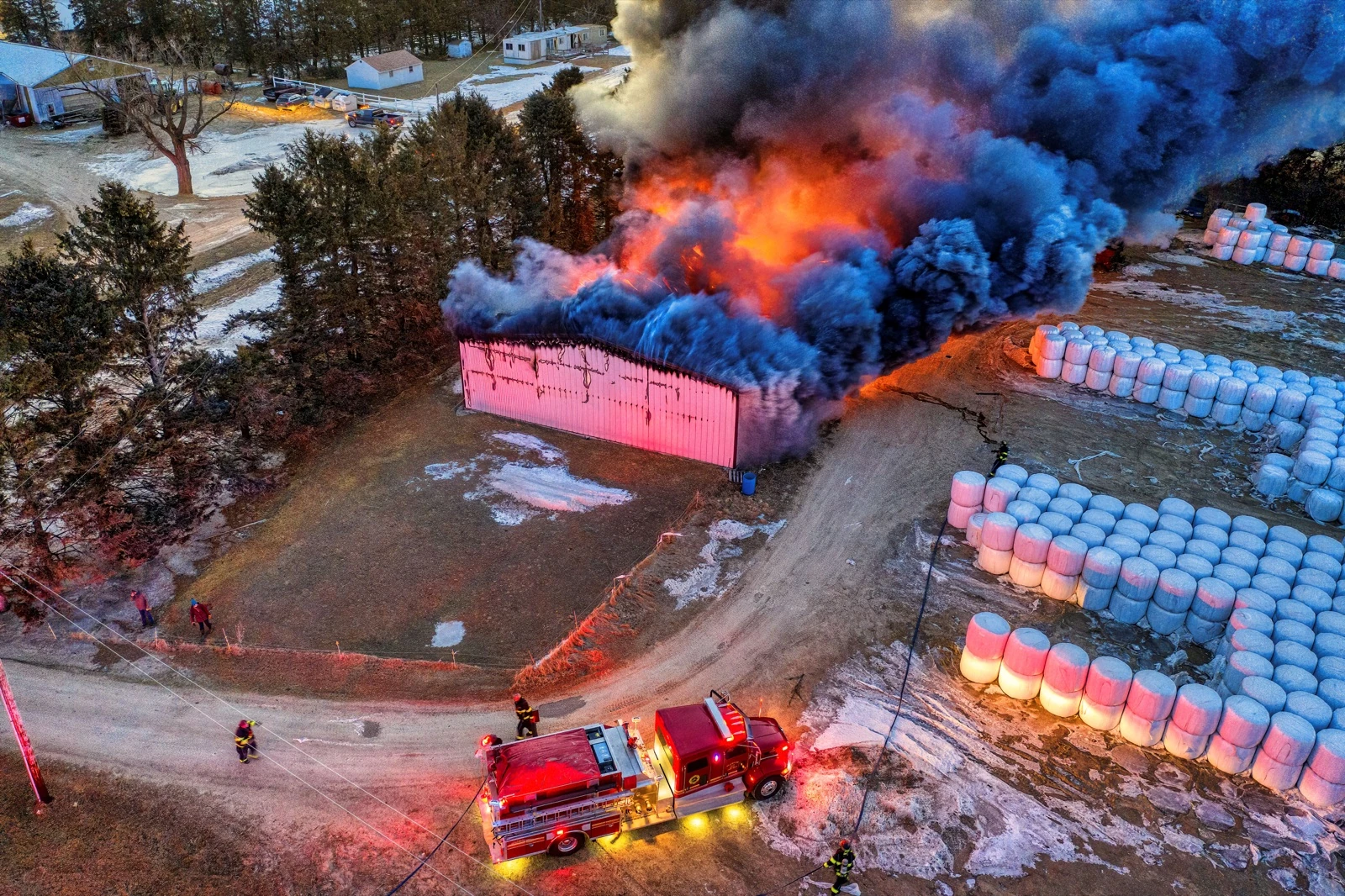
Portable atmospheric monitoring supports firefighters and HAZMAT specialists when smoke, industrial chemicals or unknown materials complicate an emergency scene.
↗︎Tell us about your environment, target substances and operational requirements. We’ll help map the right path.
Start a conversation