01EF2000
View 01
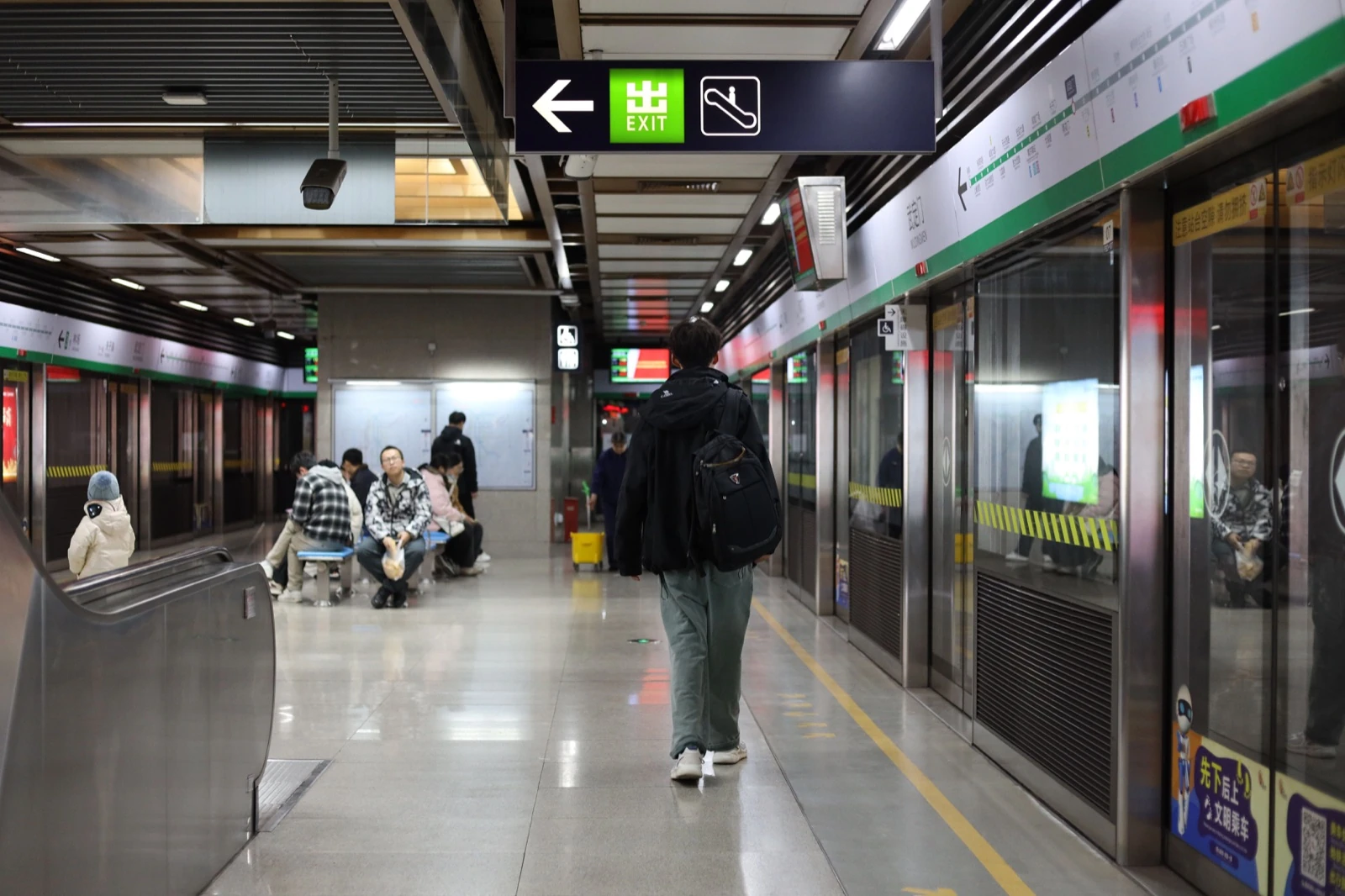
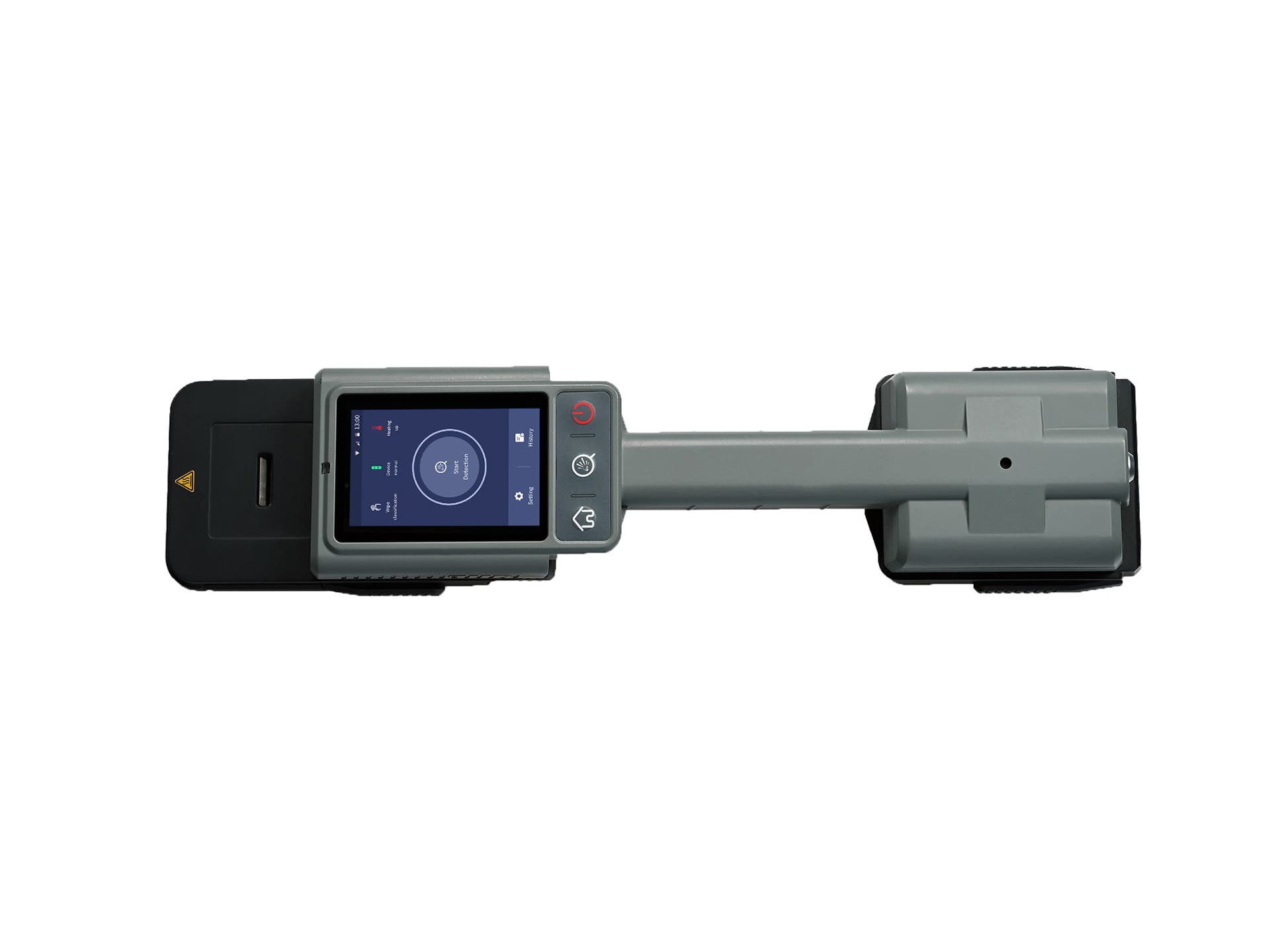
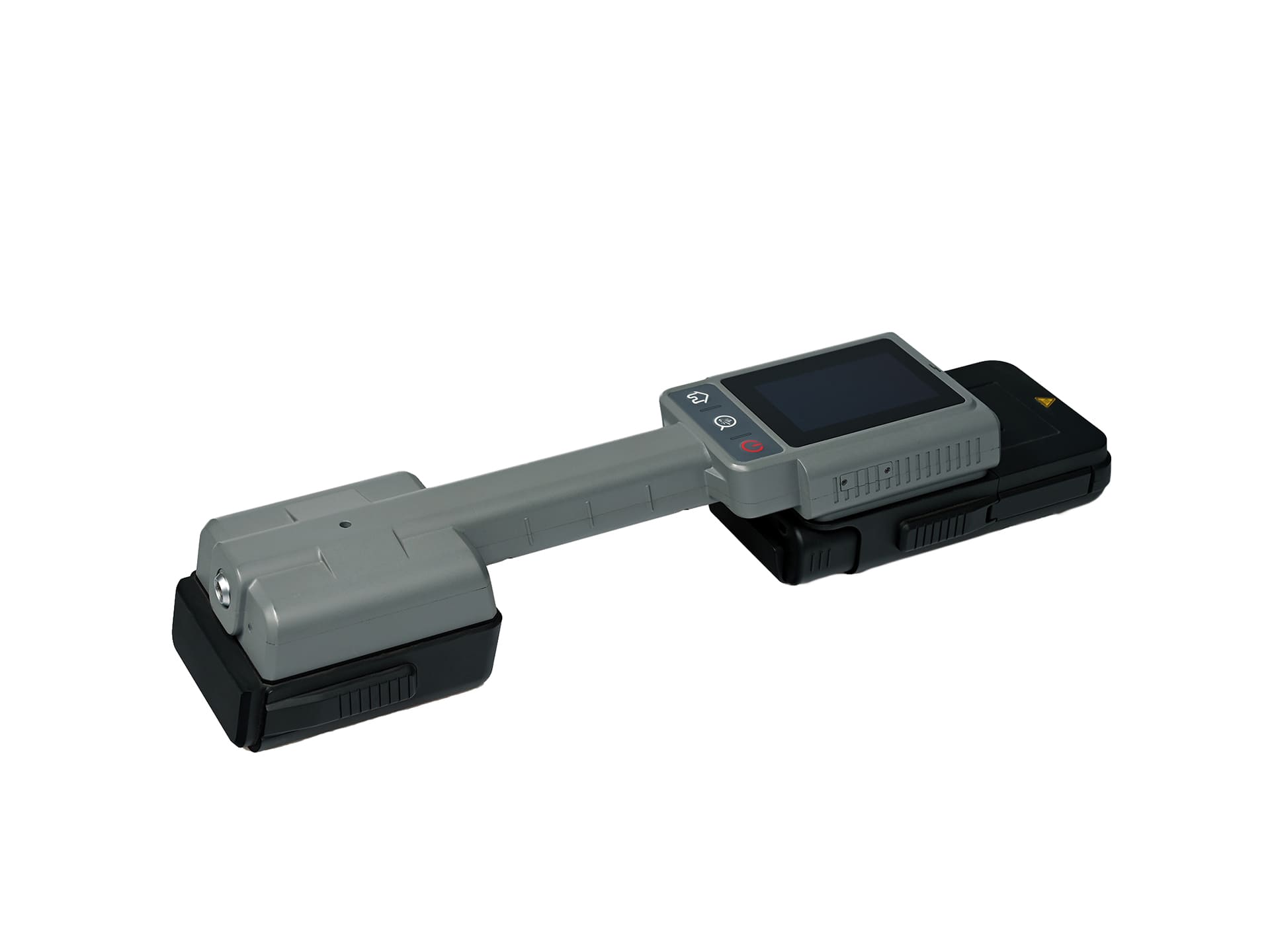
EF2000 is the next generation of HT-Nova's handheld trace explosives detector, building on EF1000. It detects explosives through changes in fluorescence signal and additionally classifies what it finds into main explosive categories, covering more than forty kinds of explosives without any radioactive source.
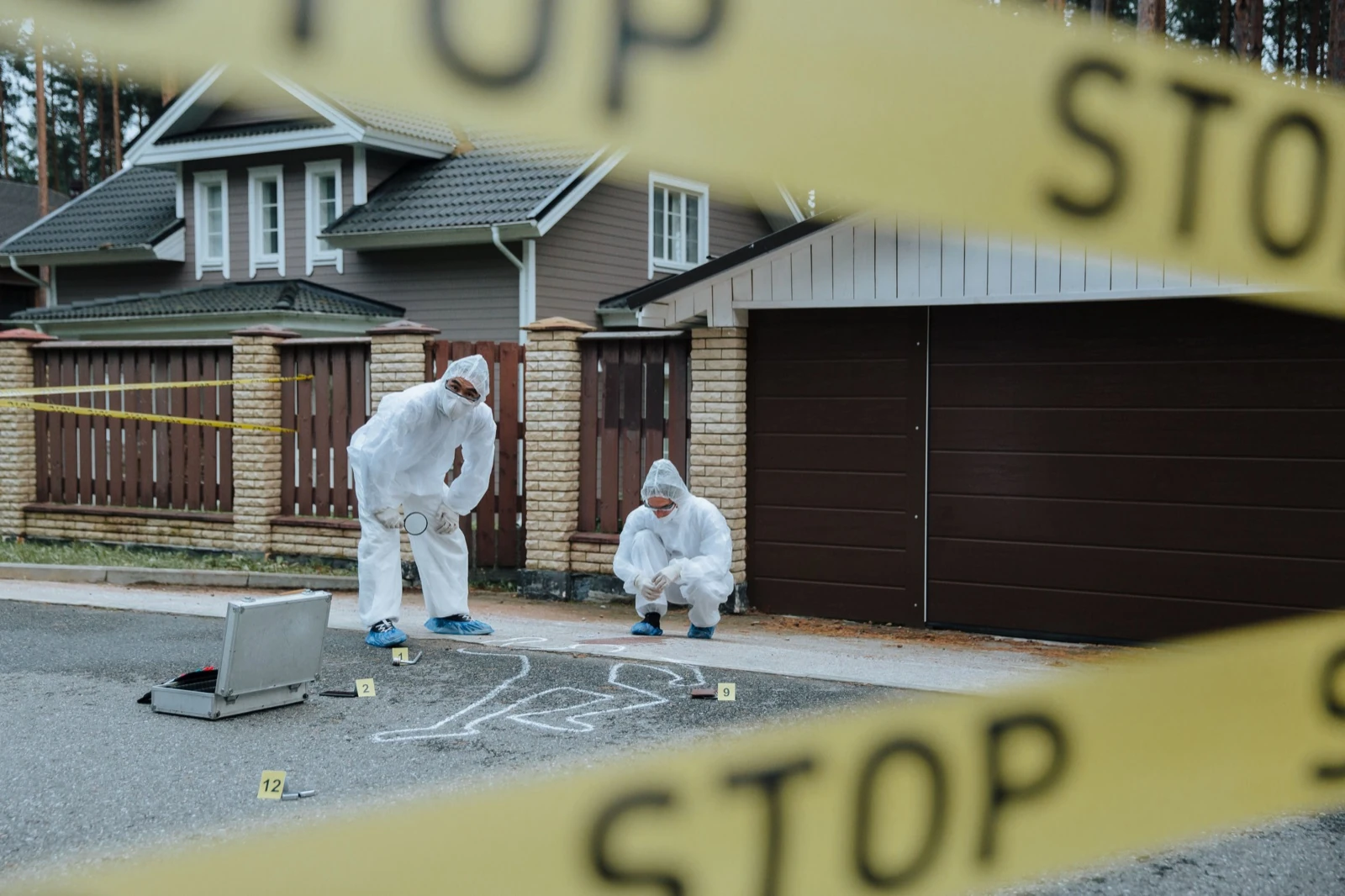
Knowing that explosive residue is present is the first question; knowing what kind it is shapes the response. EF2000's addition over the previous generation is classification - it sorts a detection into its main category rather than returning a single positive result, which gives a screener context for the decision that follows.
Two sampling methods let the instrument suit the check being performed, and a short recovery time after an alarm is what keeps a queue moving: the detector returns to service quickly instead of holding up a checkpoint while it clears. The sensor unit is specified for high detection sensitivity and long durability.
As with the rest of the fluorescence-based range, the detector contains no radioactive sources, so it presents no radiation hazard and is simpler to transport and store. Wireless cloud alarm allows a detection to be reported beyond the operator holding the device.
View 01
View 02
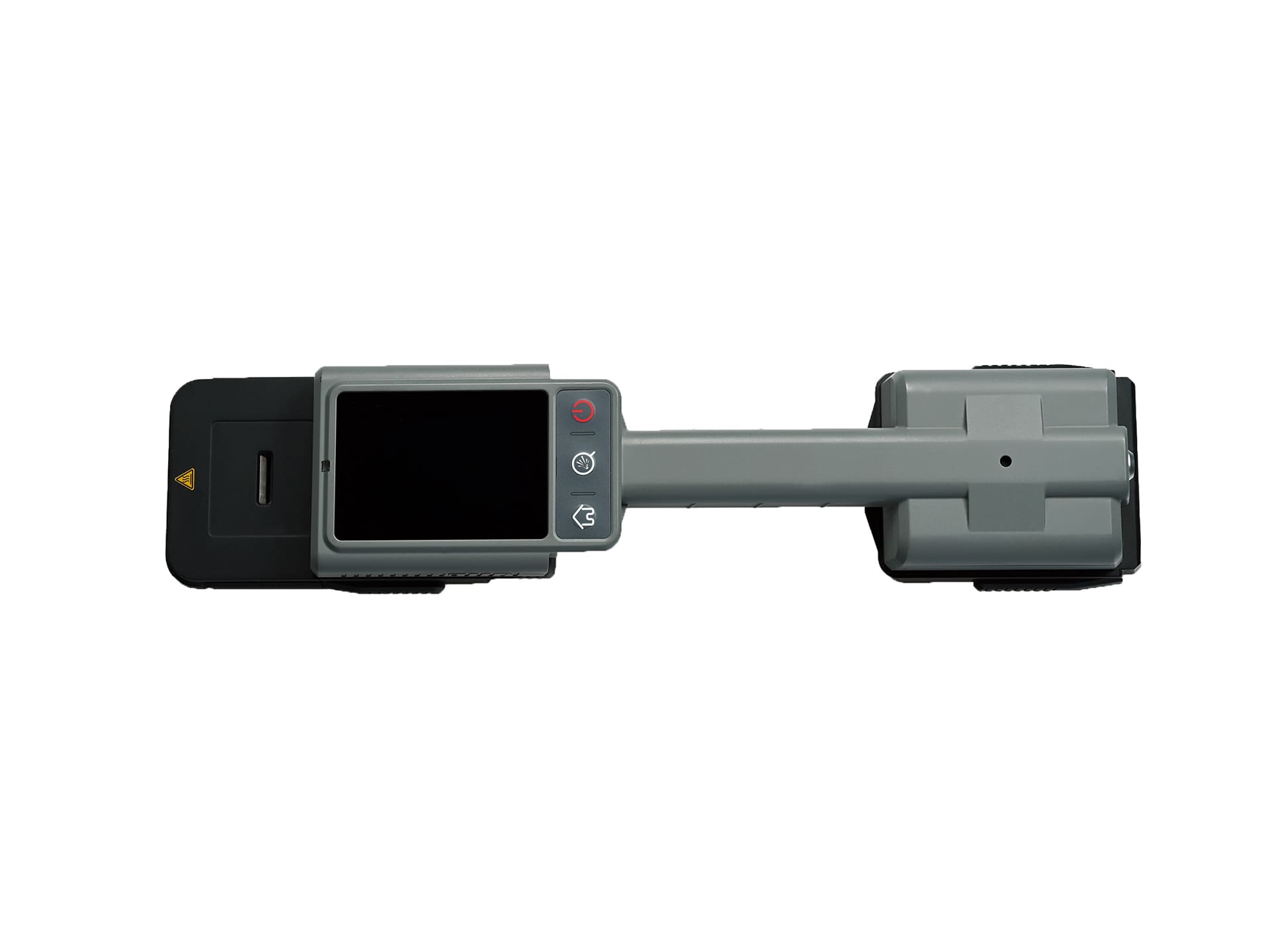
View 03
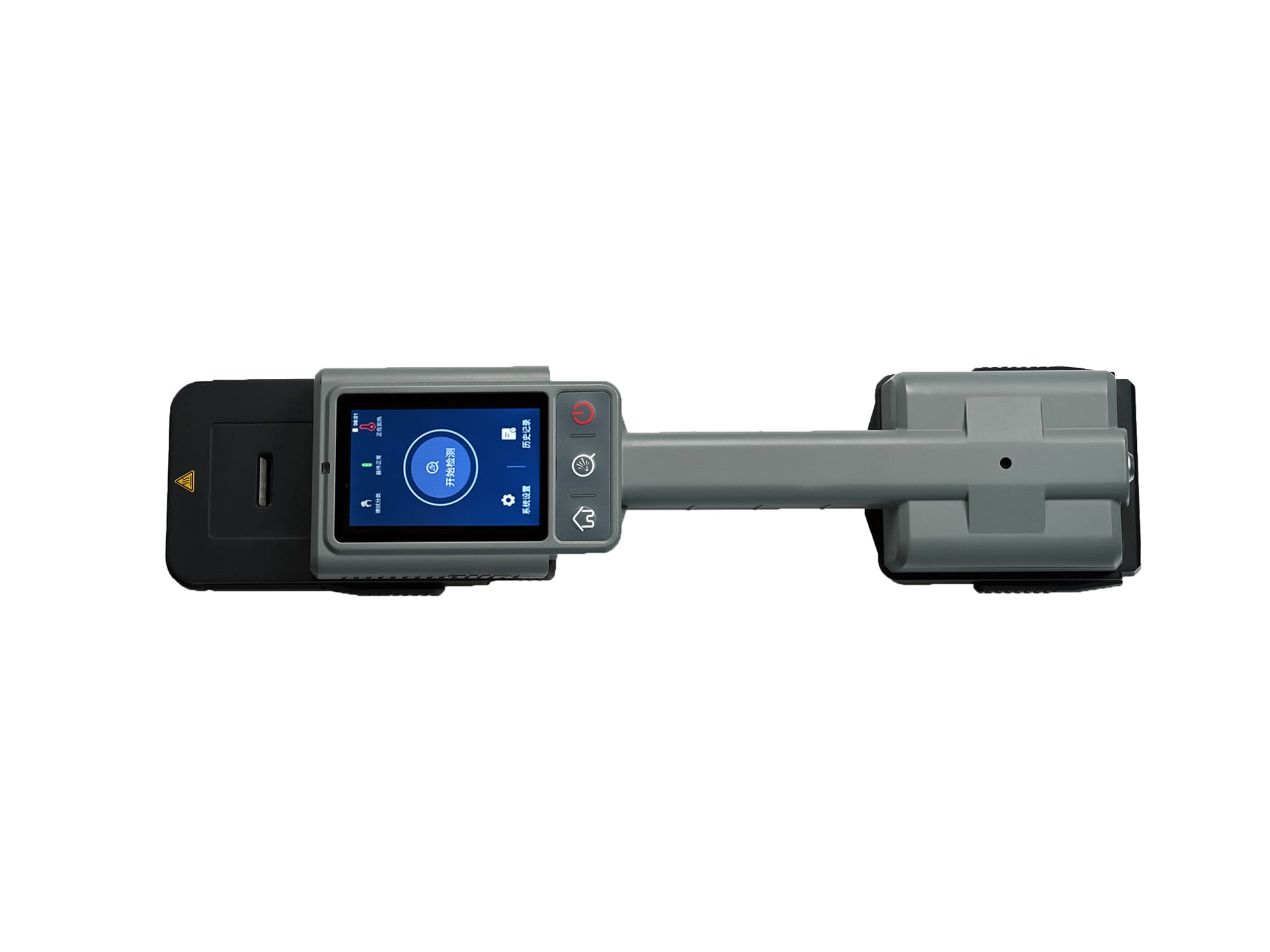
View 04
swipe and vapor sampling
With wireless alarm function, the device can be connected to cloud systems in real time and enjoy data aggregation, cloud services, and etc.
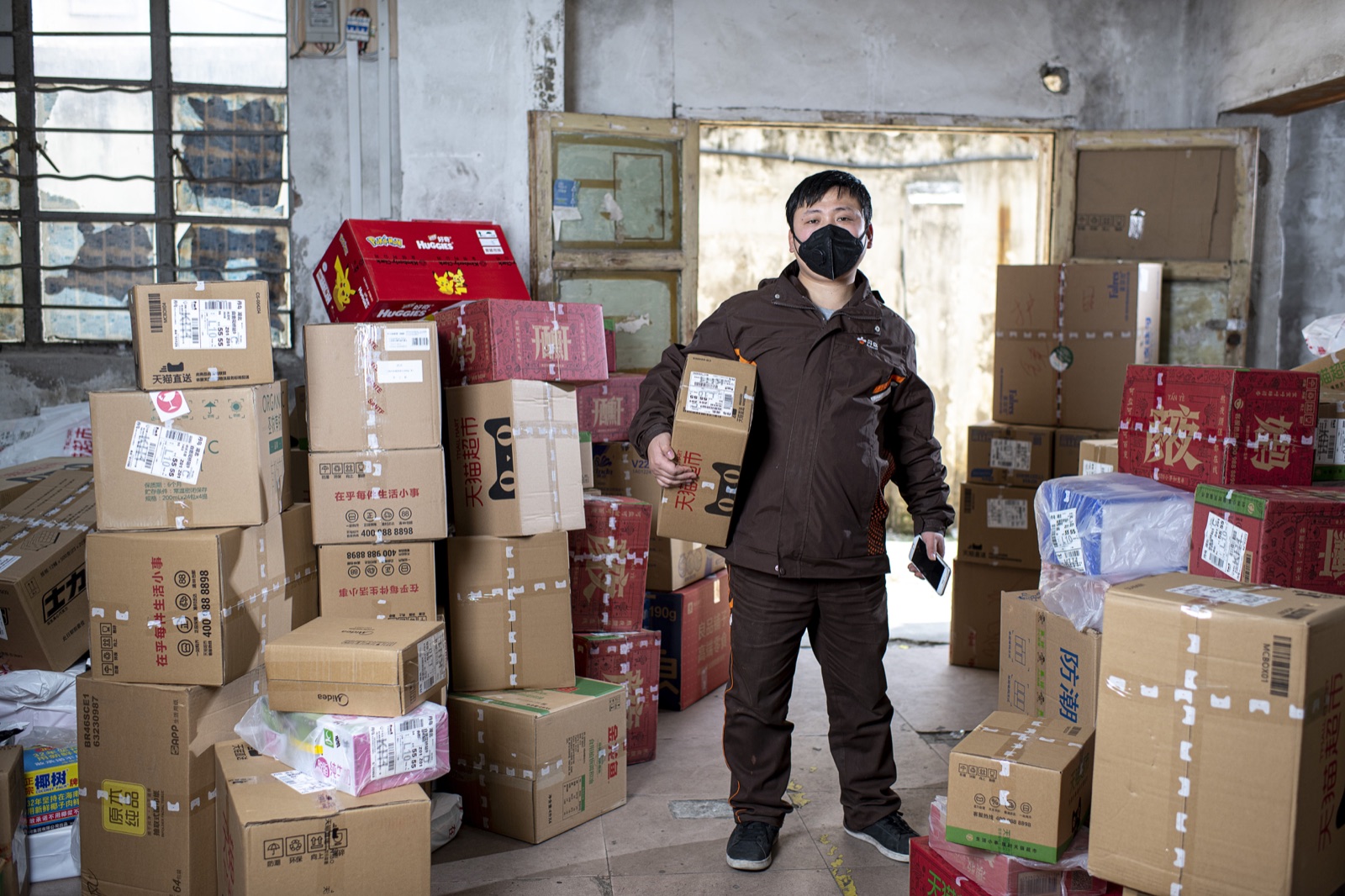
An illustrative security scenario for evaluating a suspicious package through isolation, carefully selected CBRNE screening technologies and controlled escalation.
↗︎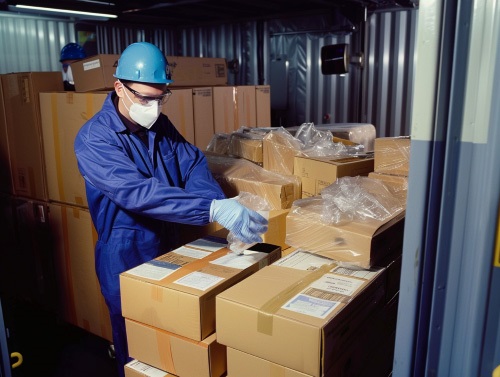
Layered customs secondary inspection applies material identification, trace screening and radiation assessment according to the initial indicator and legal procedure.
↗︎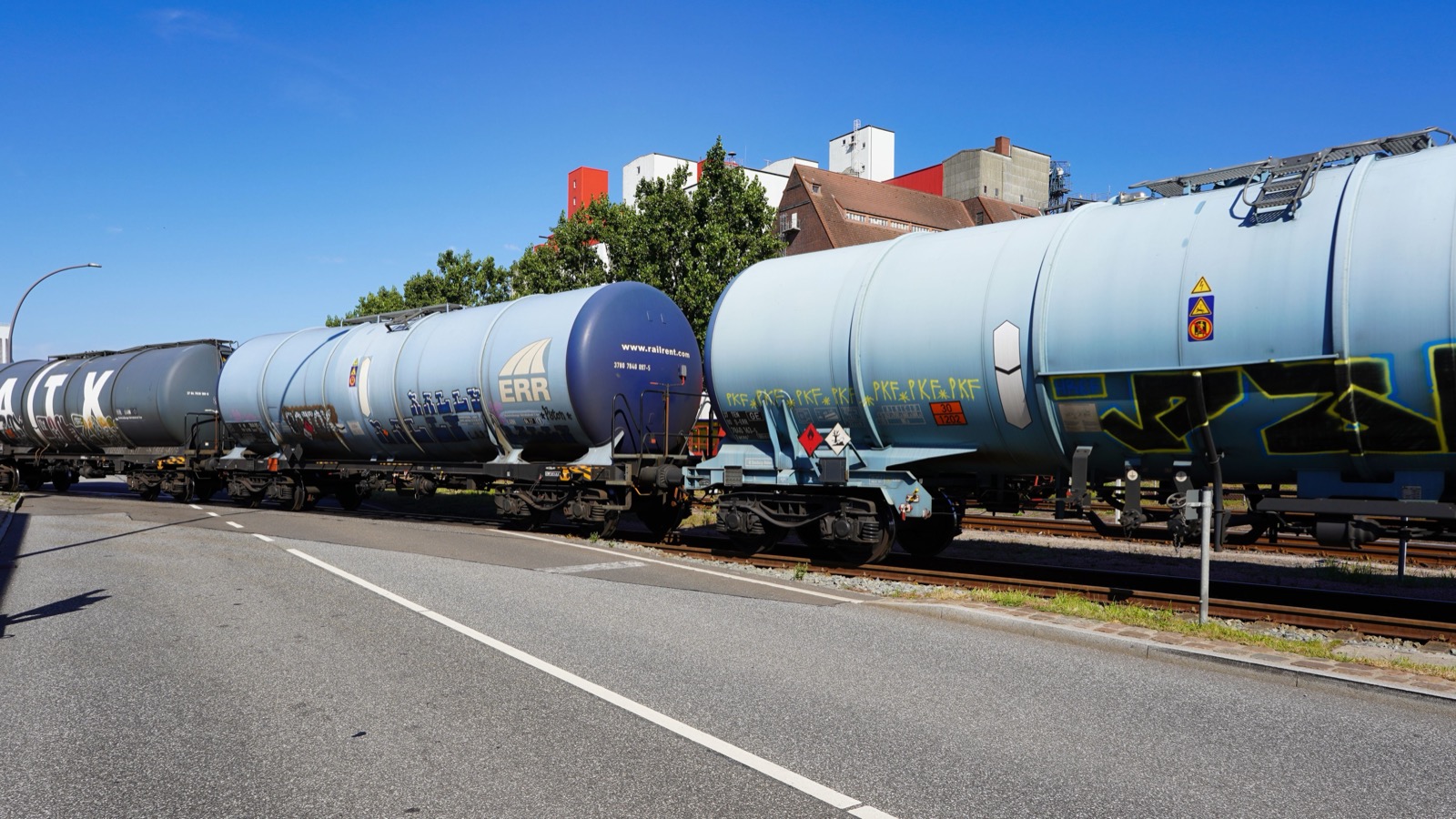
Controlled dangerous-goods inspection uses documentation, vapor screening and trace sampling to investigate anomalies during explosive-material transport or storage.
↗︎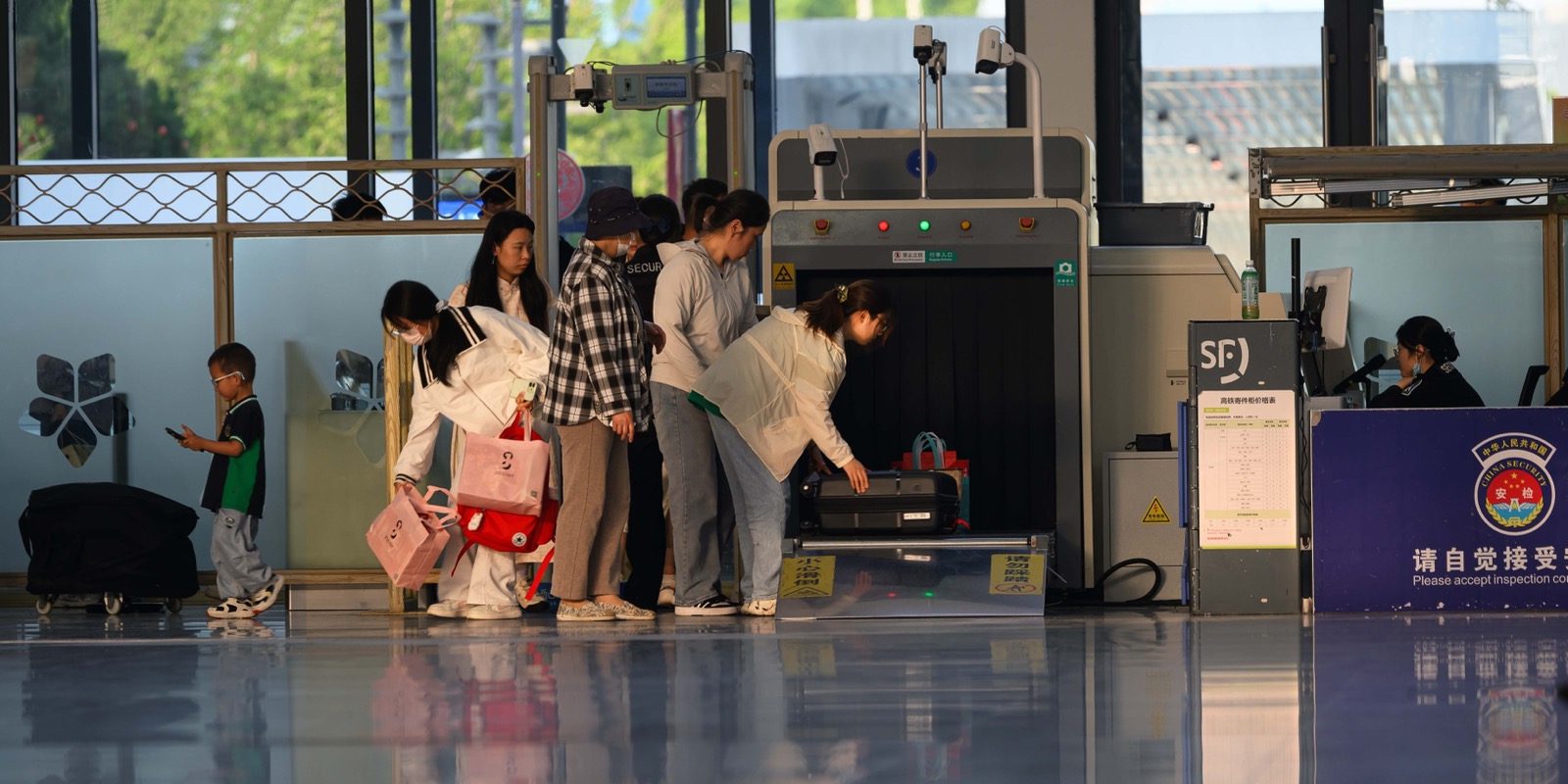
A suspicious-baggage workflow moves a defined primary-screening alarm into controlled secondary inspection using hazard-specific methods and specialist escalation.
↗︎Tell us about your environment, target substances and operational requirements. We’ll help map the right path.
Start a conversation