01PID Lamp
View 01
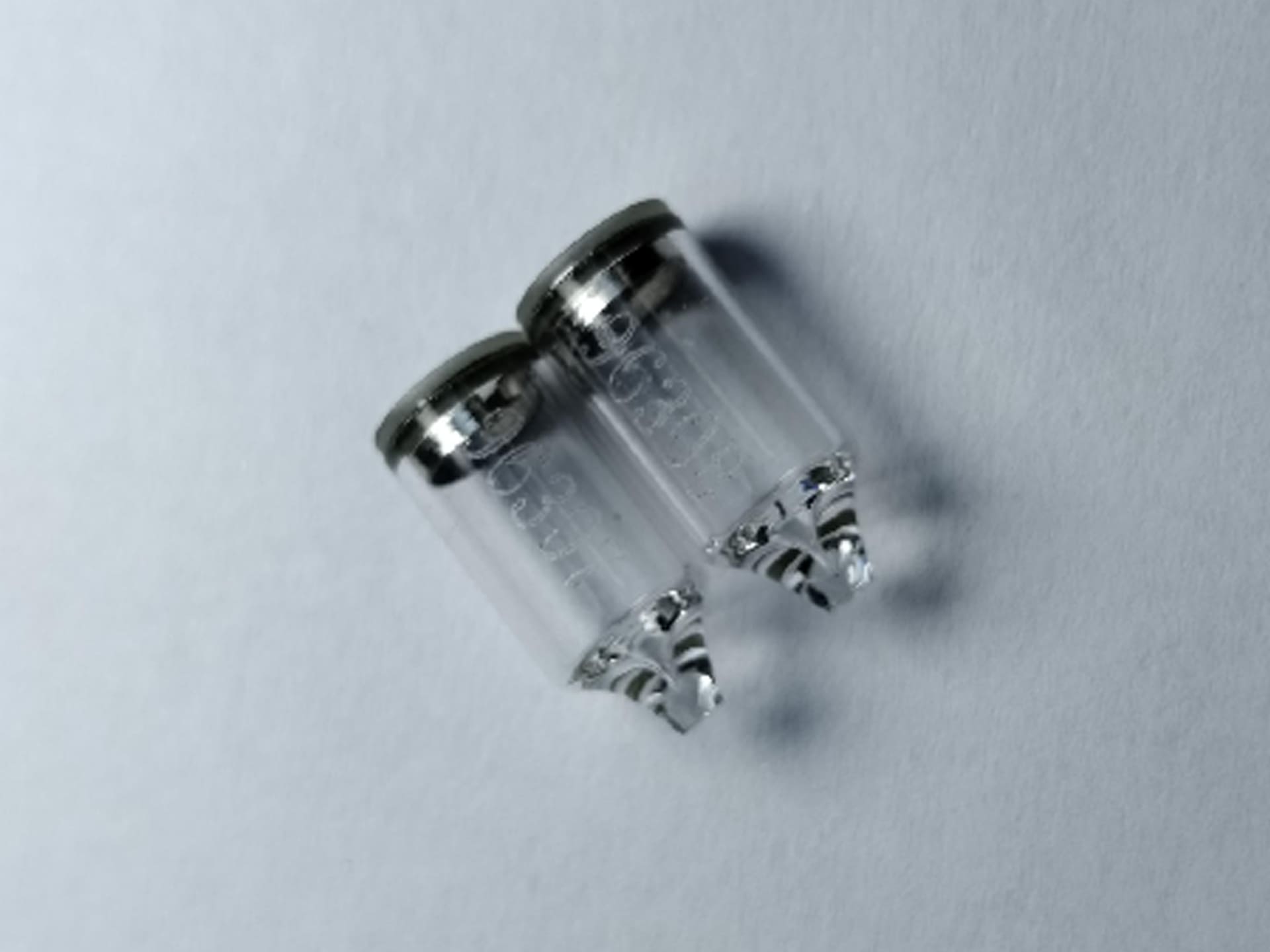
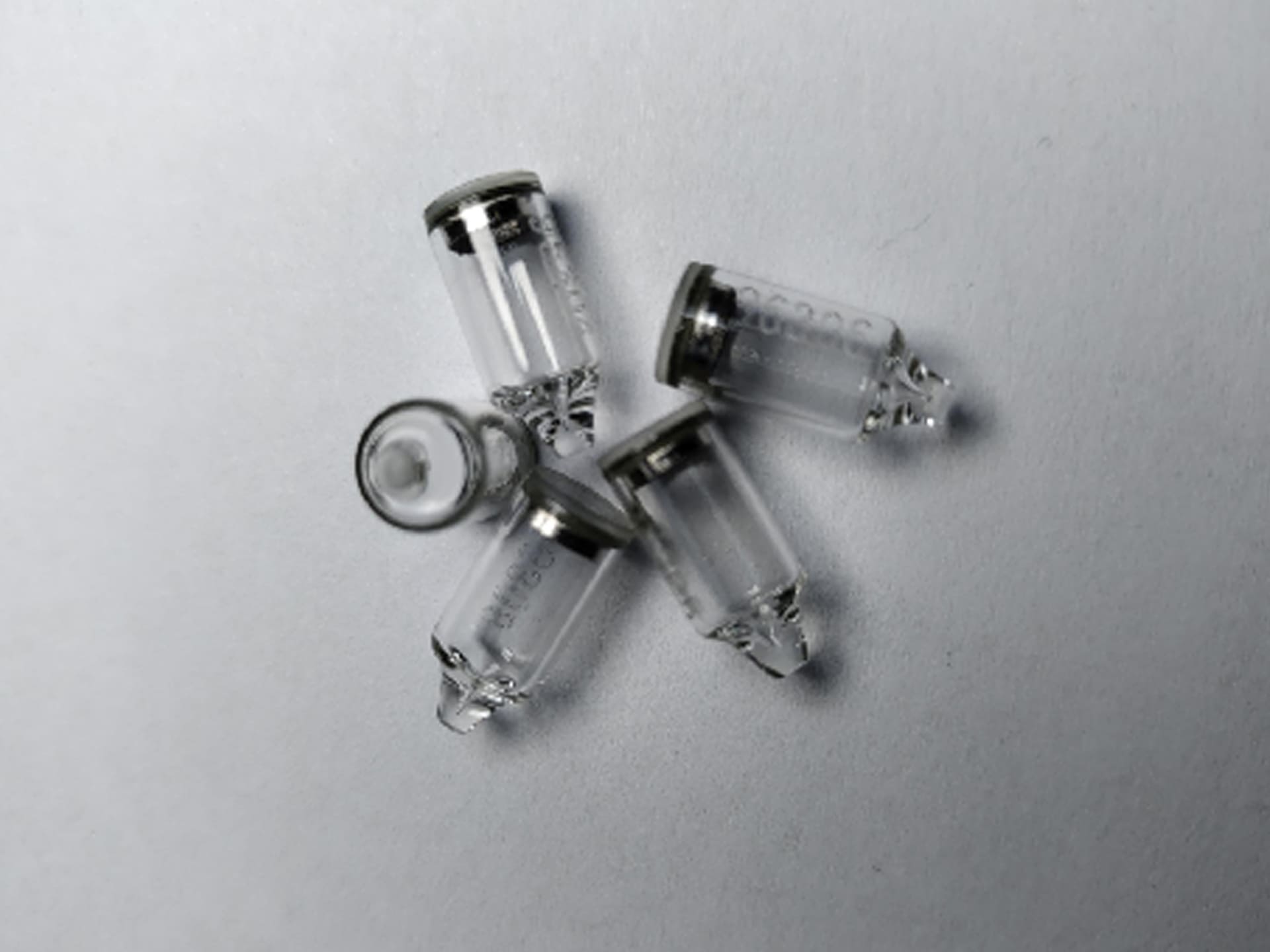
The PID UV lamp is the excitation source inside a photoionization sensor. It uses a high-energy ultraviolet light source to ionize gas molecules and generate the current signal that drives PID sensor operation, and is supplied as a replaceable component.
The lamp is the consumable element of a PID sensor: sensitivity depends on it, and it is the part that determines how long a sensor holds performance in service. Rated lifespan is not less than 8,000 hours, which is what makes scheduled replacement predictable rather than reactive for instrument makers and maintenance teams.
Ionization energy is offered at 10.0 eV and 10.6 eV, allowing the lamp to be matched to the compounds a given instrument needs to detect - the choice of lamp energy is what sets which substances a PID can ionize at all. Strong adaptability to working temperature and humidity keeps output stable across the conditions field instruments are exposed to.
View 01
View 02
10.0 eV/10.6 eV
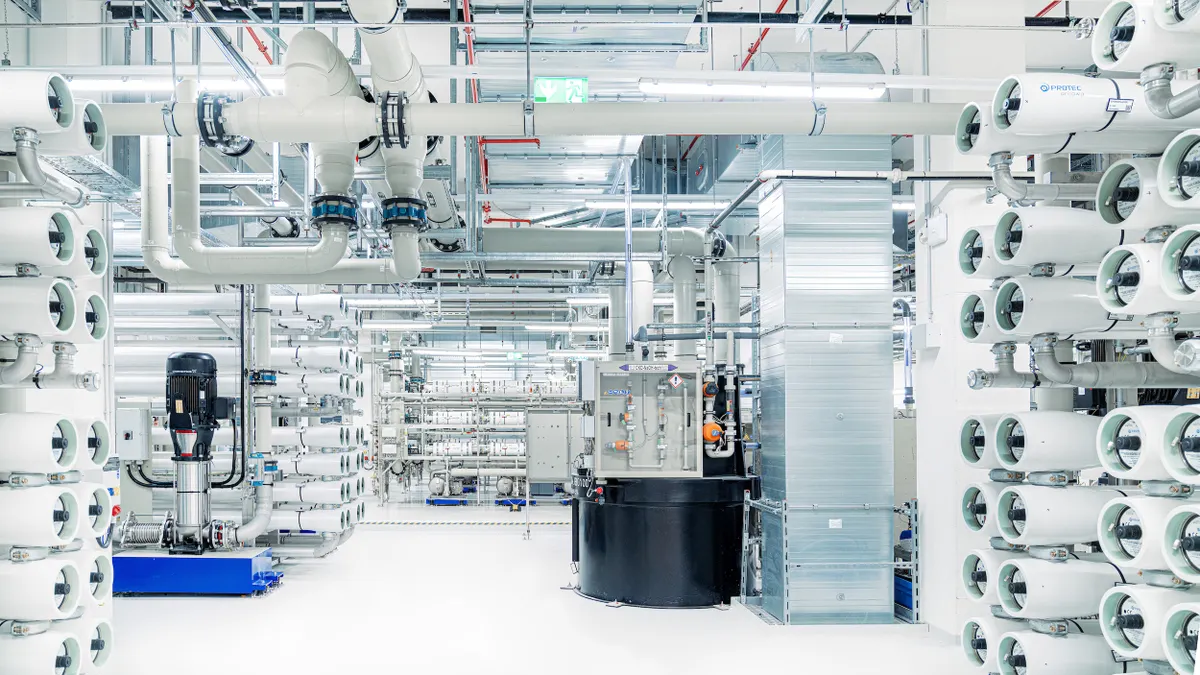
An illustrative scenario for combining fixed and portable monitoring around chemical storage, process equipment and other risk locations in advanced manufacturing.
↗︎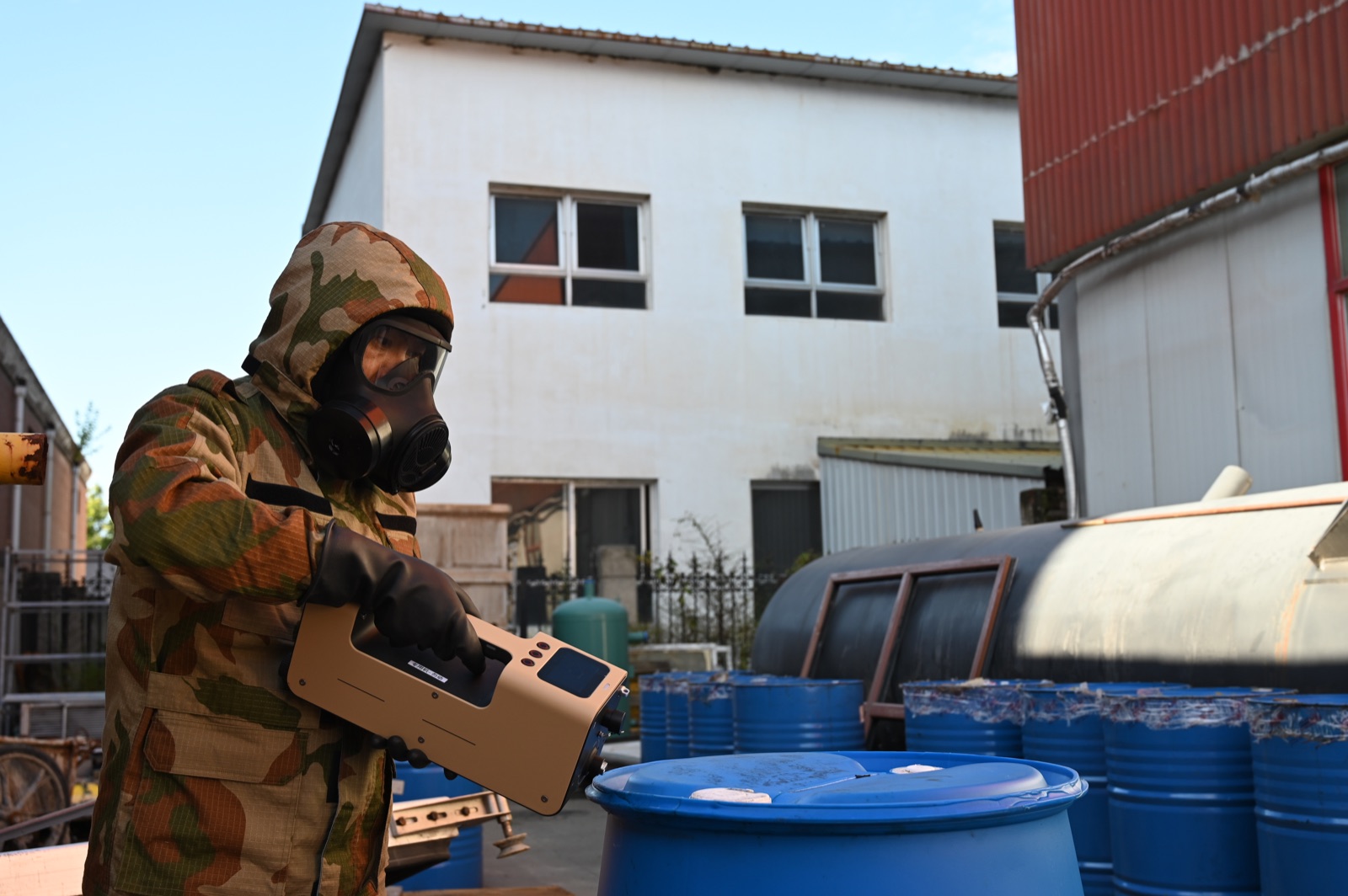
An illustrative response scenario showing how perimeter monitoring, complementary field instruments and disciplined sampling can support the assessment of an unknown chemical release.
↗︎
Risk-based fixed and portable gas monitoring connects target-gas selection, sensor placement, alarms and maintenance to plant response procedures.
↗︎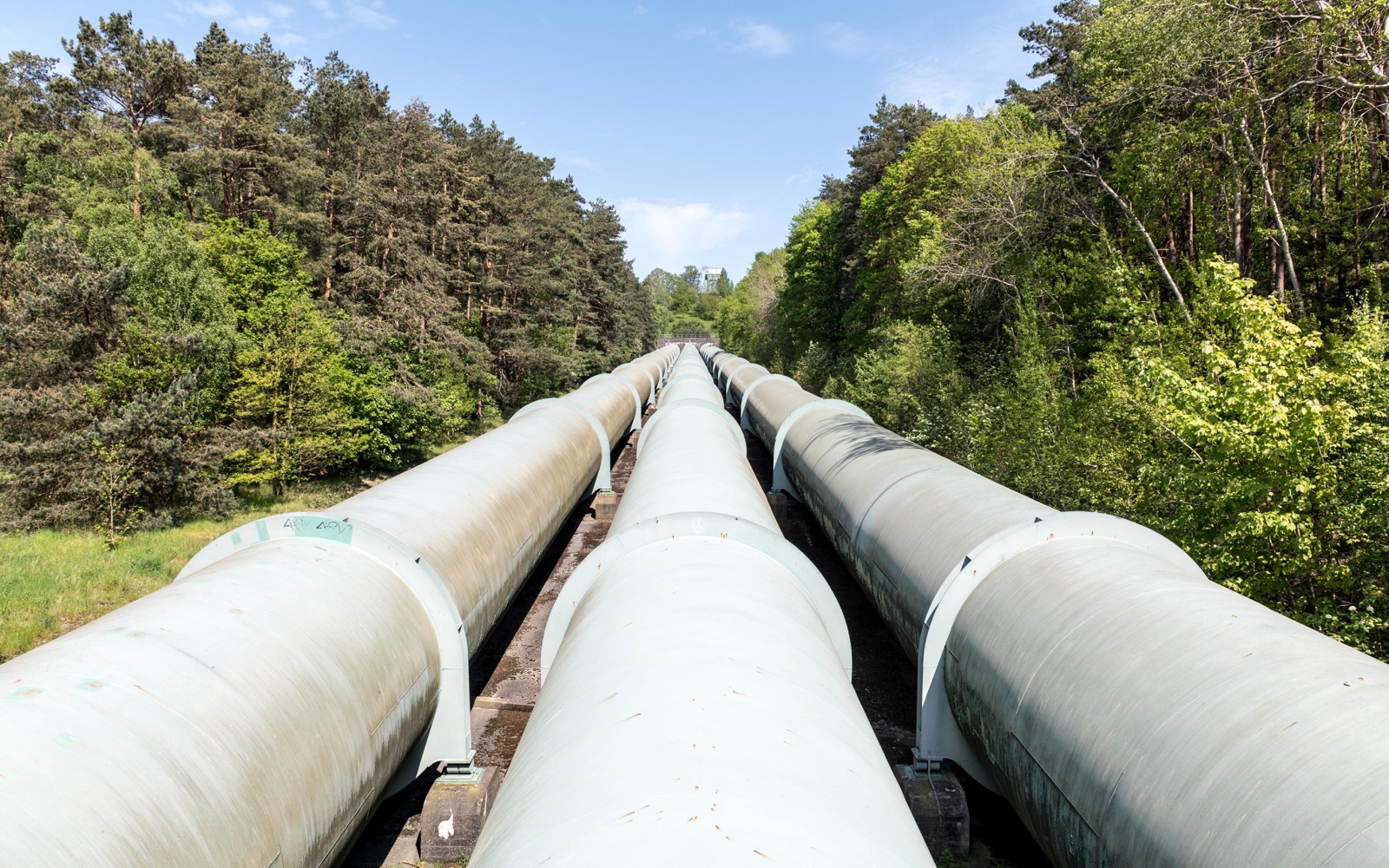
Portable PID screening supports fugitive-VOC investigation around valves, terminals and process equipment when target compounds and response factors are understood.
↗︎Tell us about your environment, target substances and operational requirements. We’ll help map the right path.
Start a conversation