
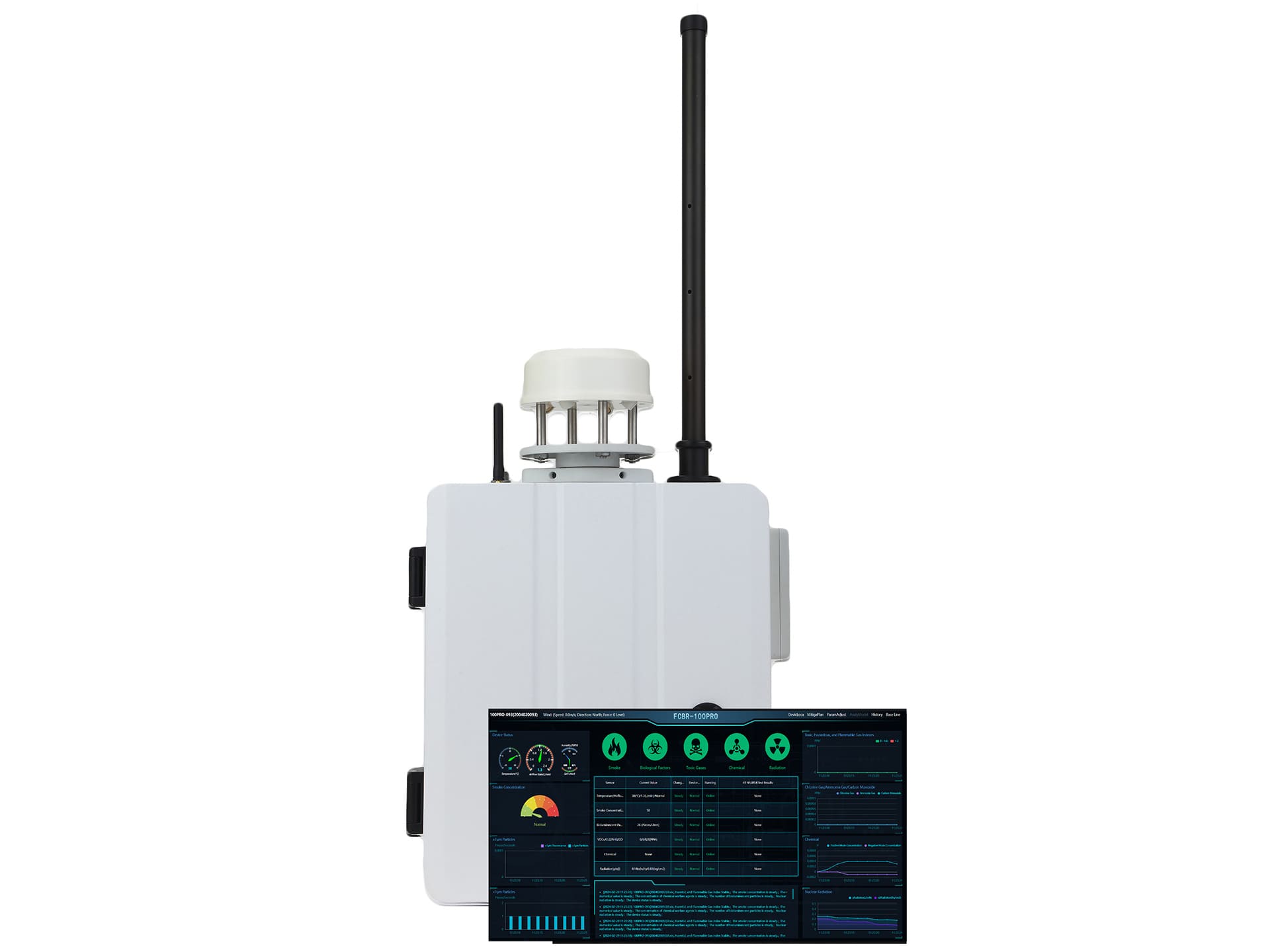
01FCBR-100 Pro
View 01
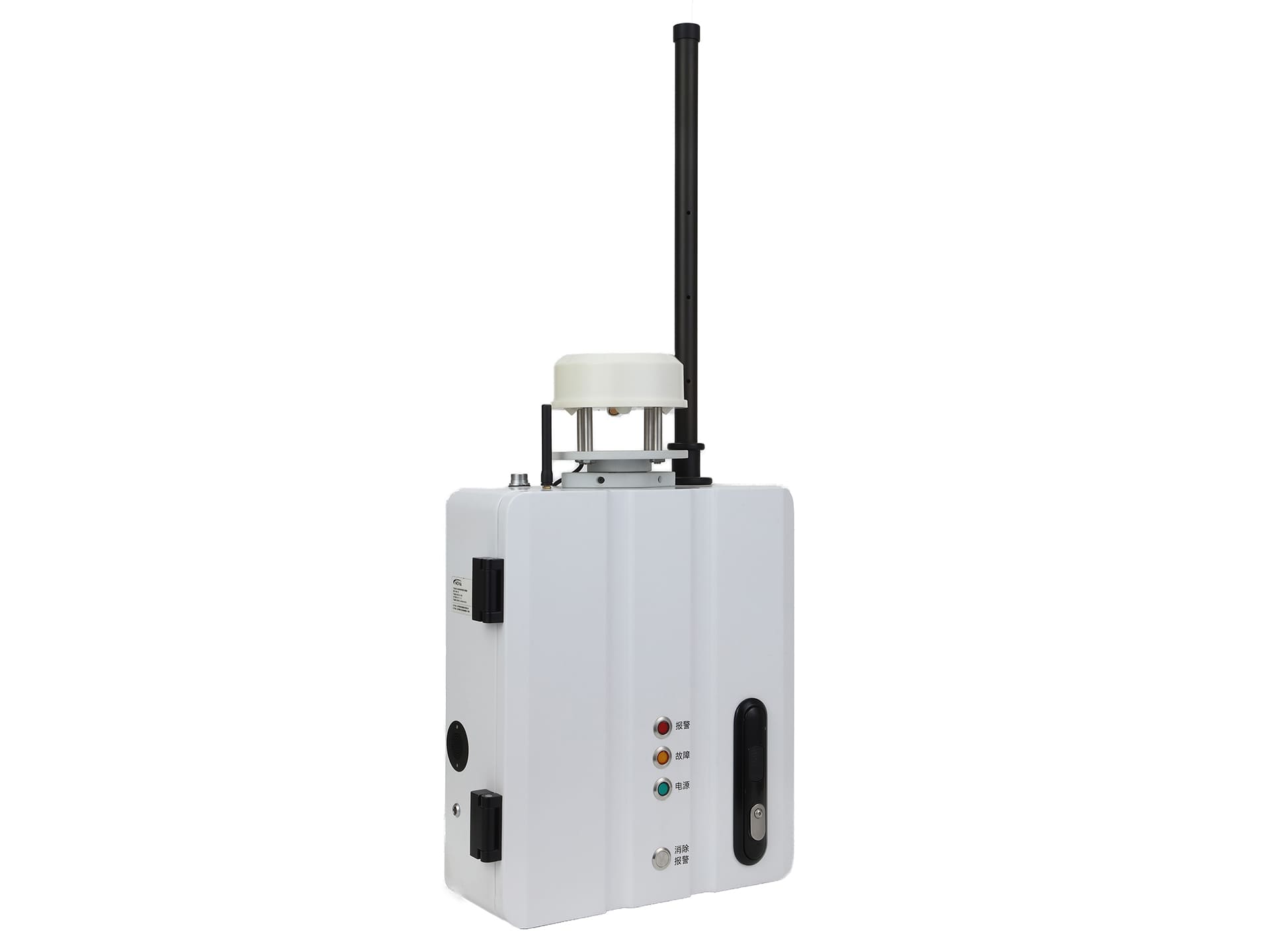
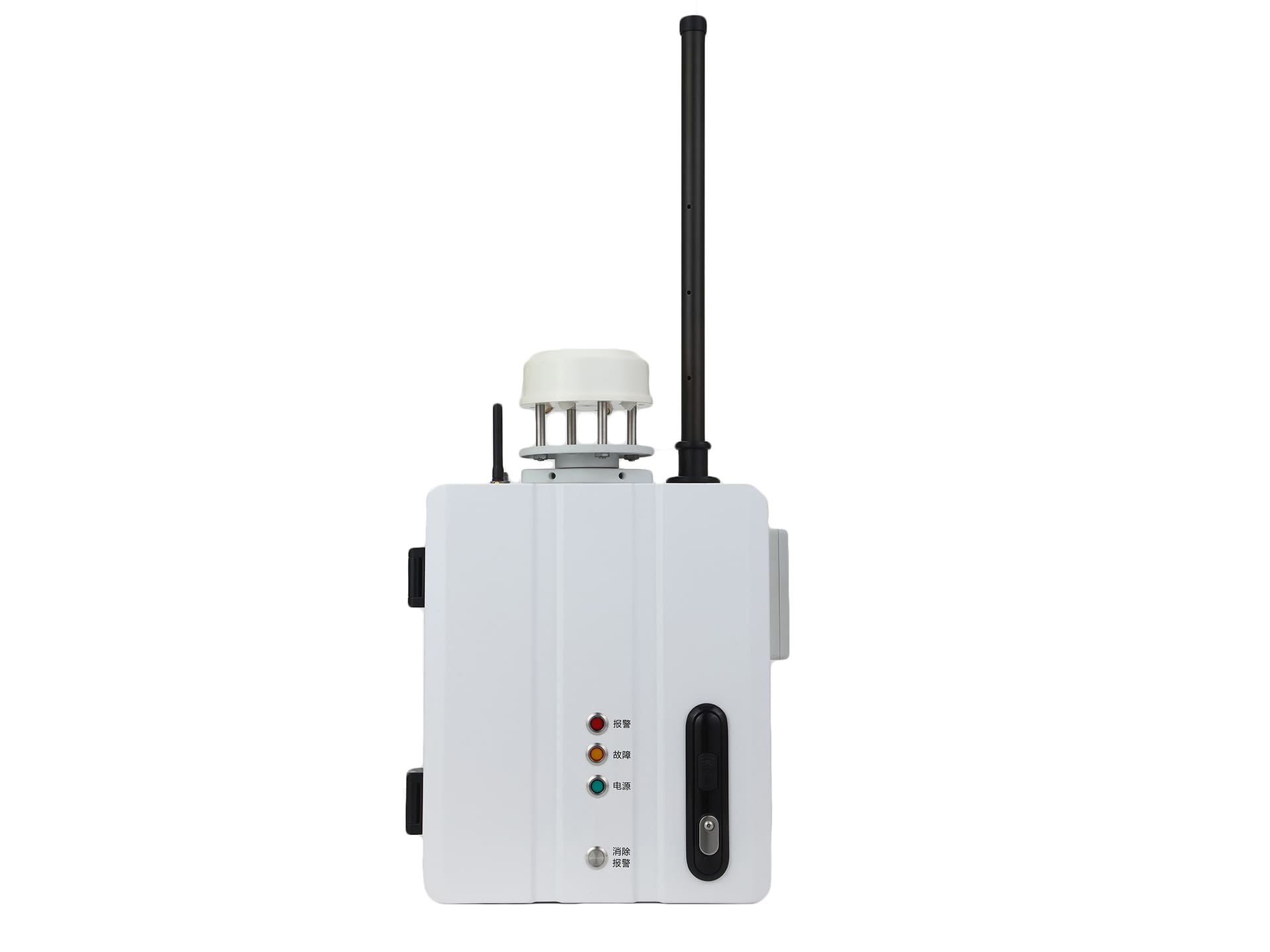
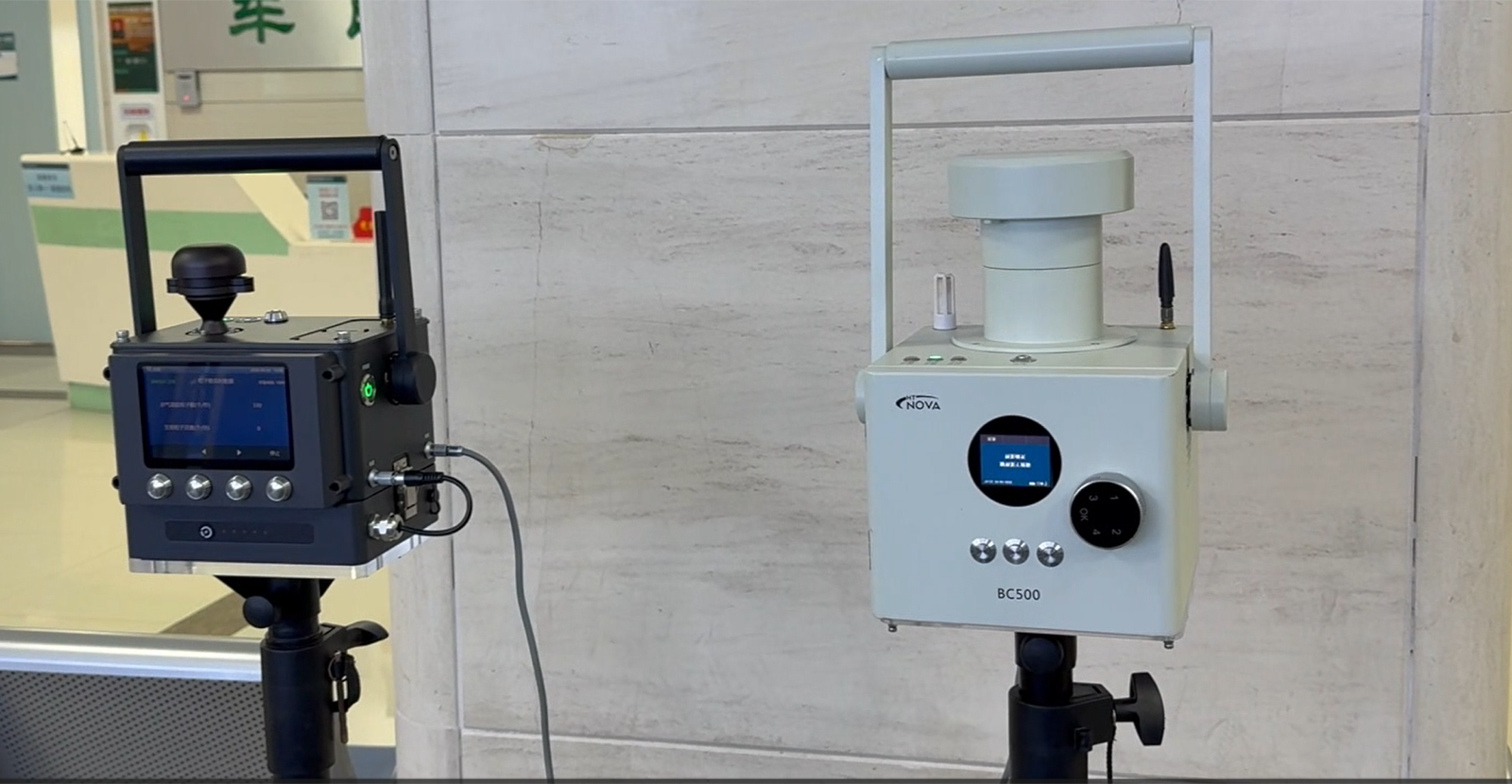
FCBR-100 Pro is a continuous hazardous threat monitoring system for highly populated areas and events. A multi-sensor array monitors the air for chemical warfare agents, toxic industrial chemicals, biological hazard factors, early fire smoke and radiation, operating as a permanent round-the-clock surveillance unit.
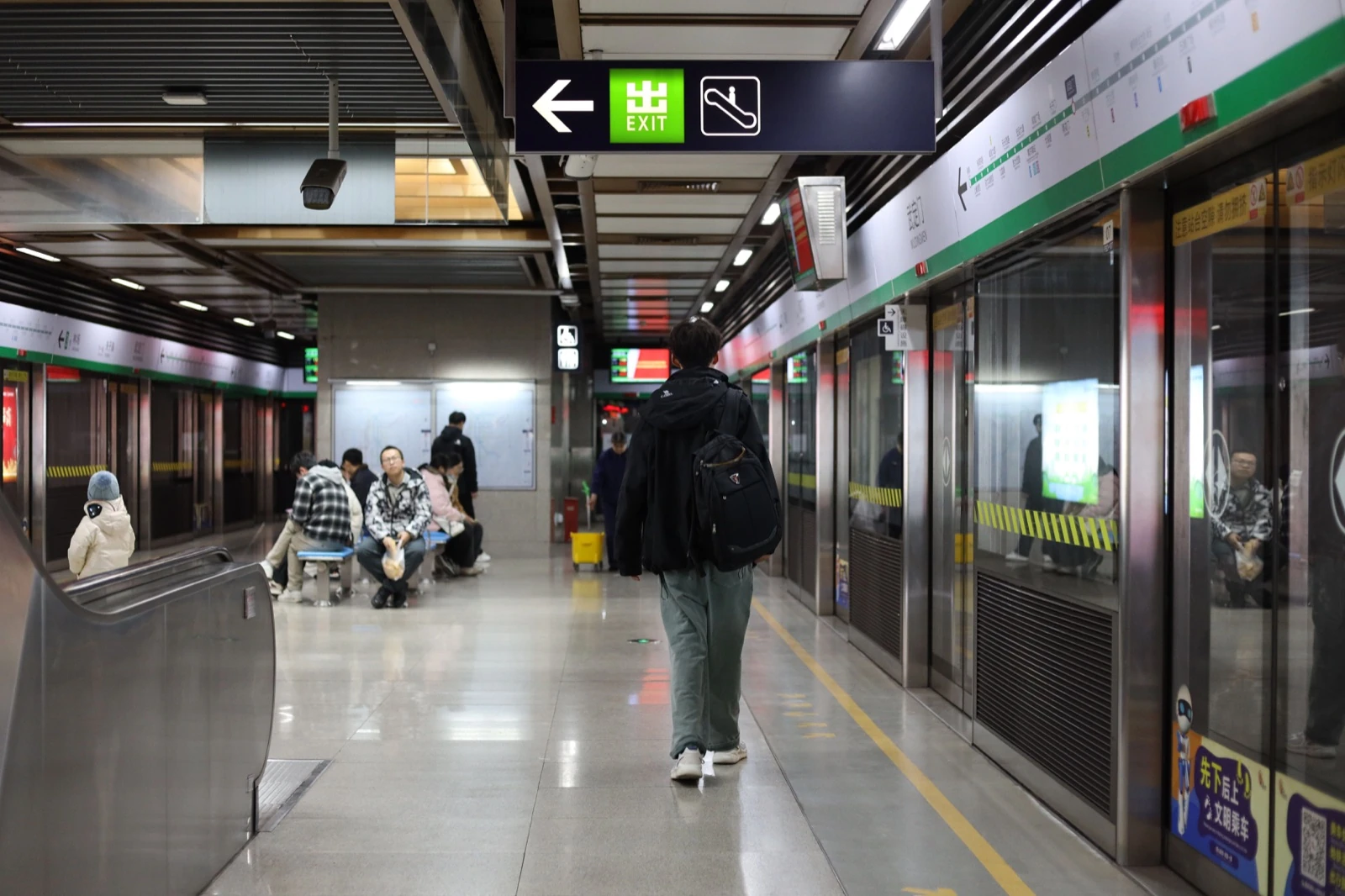
Protecting a station, venue or public space is not an inspection task - nothing arrives at a checkpoint. The threat is airborne and the only useful posture is to watch the air continuously, which is what FCBR-100 Pro is built to do, running 24/7 rather than being deployed once there is a reason.
Its multi-sensor array collects real-time data and samples across the range of airborne hazards at once. Crucially, those readings are not interpreted in isolation: the system integrates data from its hazardous-factor detectors with environmental sensors for wind and temperature, then processes the combination with machine-learning algorithms. That is what allows a reading to be assessed dynamically, in the context of conditions that determine where a release would actually travel.
Sample collection can be dispersed to cover a large territory from one system. The unit requires no consumables and is straightforward to maintain, which is what makes permanent installation practical, and it integrates readily with other systems.
View 01
View 02
View 04
Integrated detector of CWAs, TICs, biological harmful substances, nuclear and radioactive threats and early fire smoke alarms

Explore the related operating environment
↗︎
Explore the related operating environment
↗︎
Explore the related operating environment
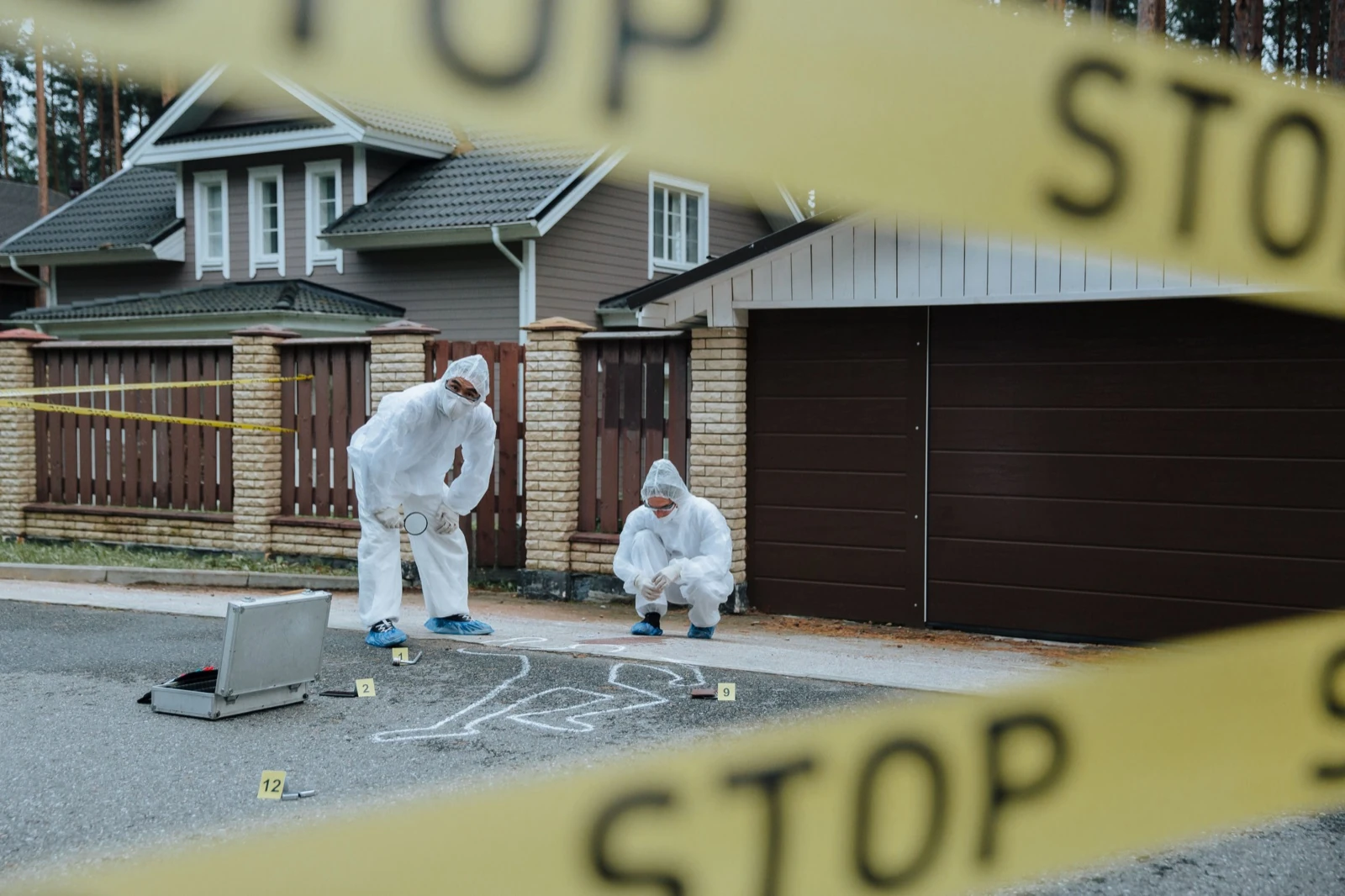
↗︎
Explore the related operating environment
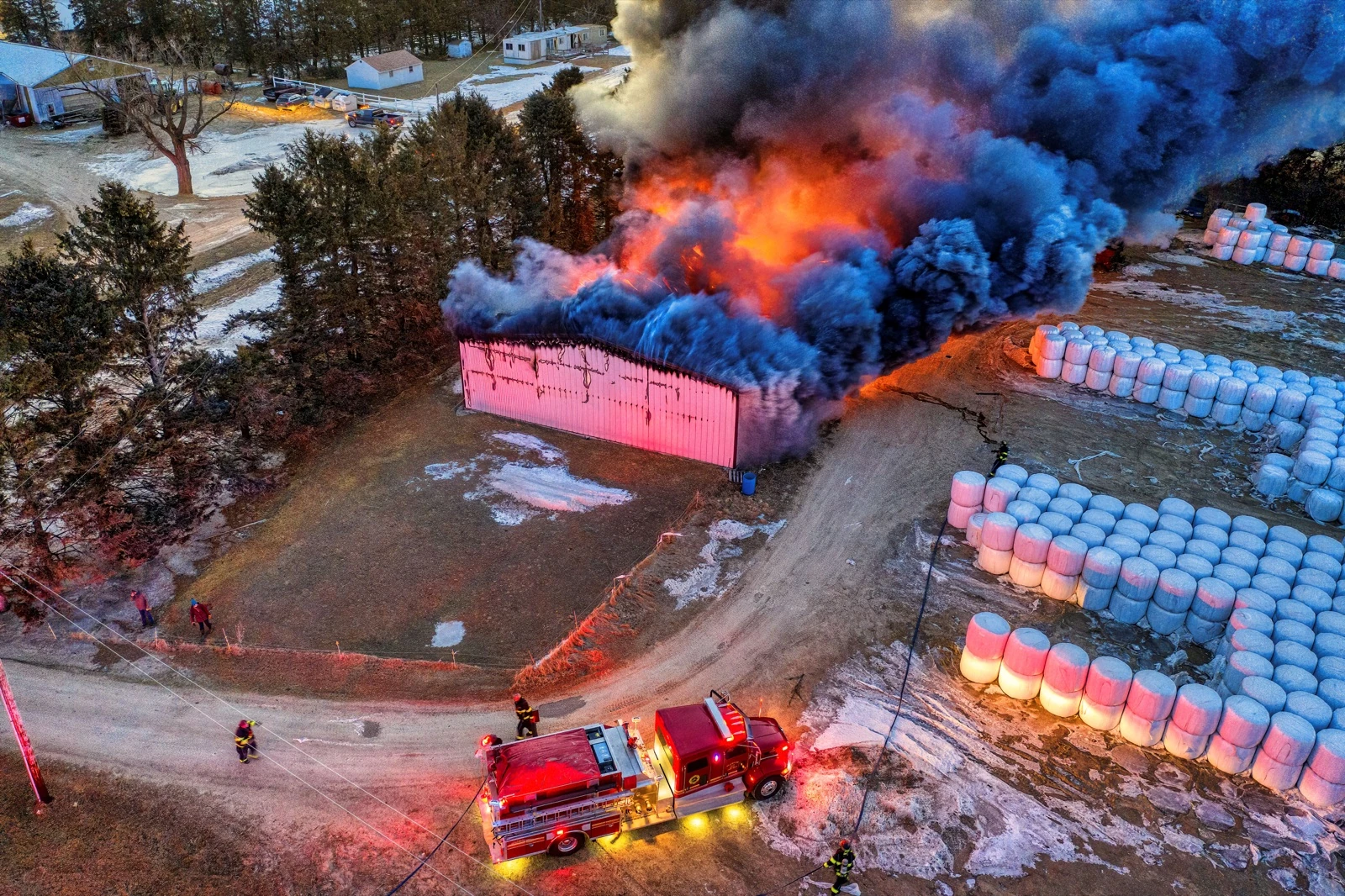
↗︎
Explore the related operating environment
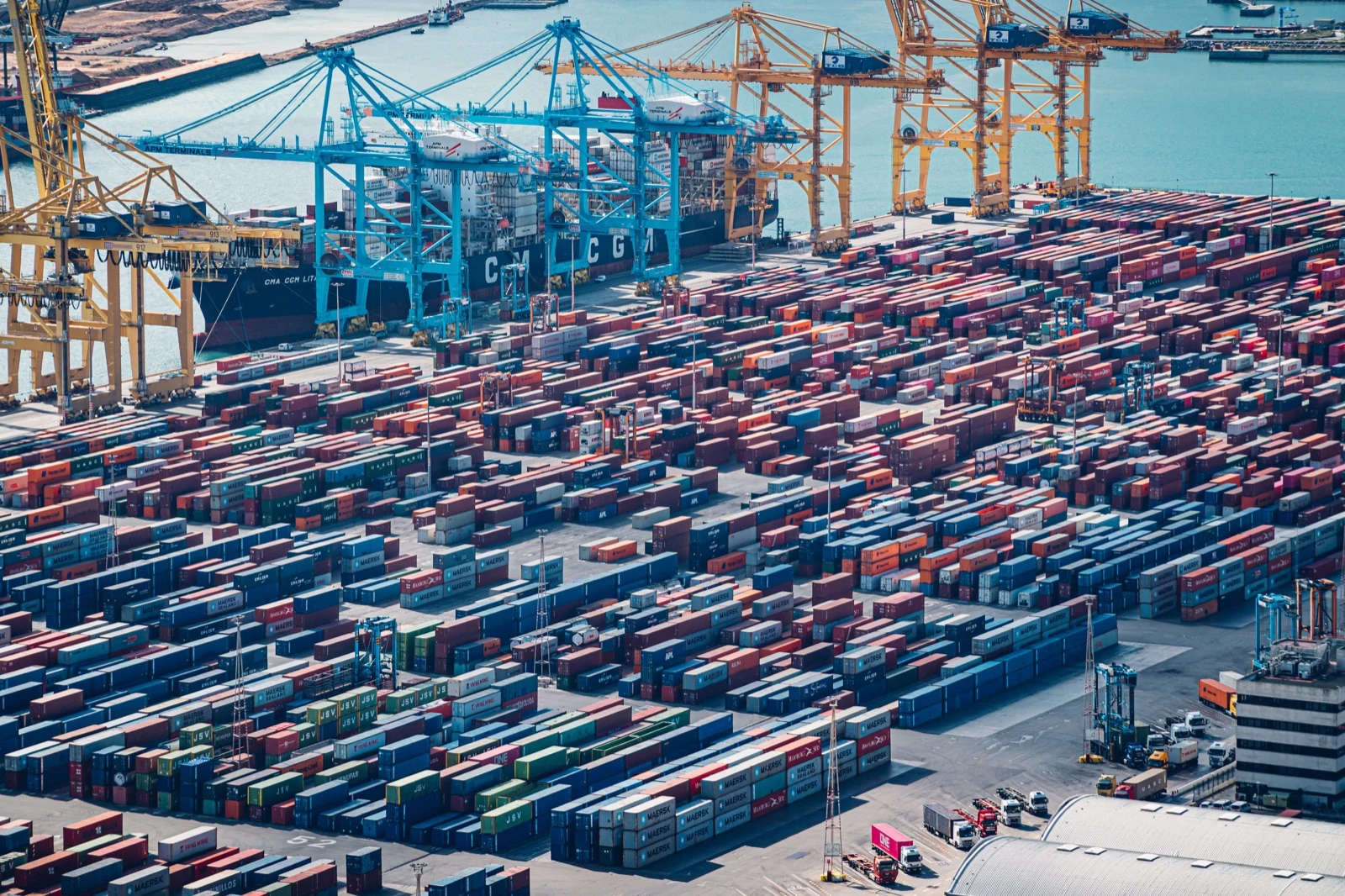
↗︎
Explore the related operating environment
↗︎
Explore the related operating environment
↗︎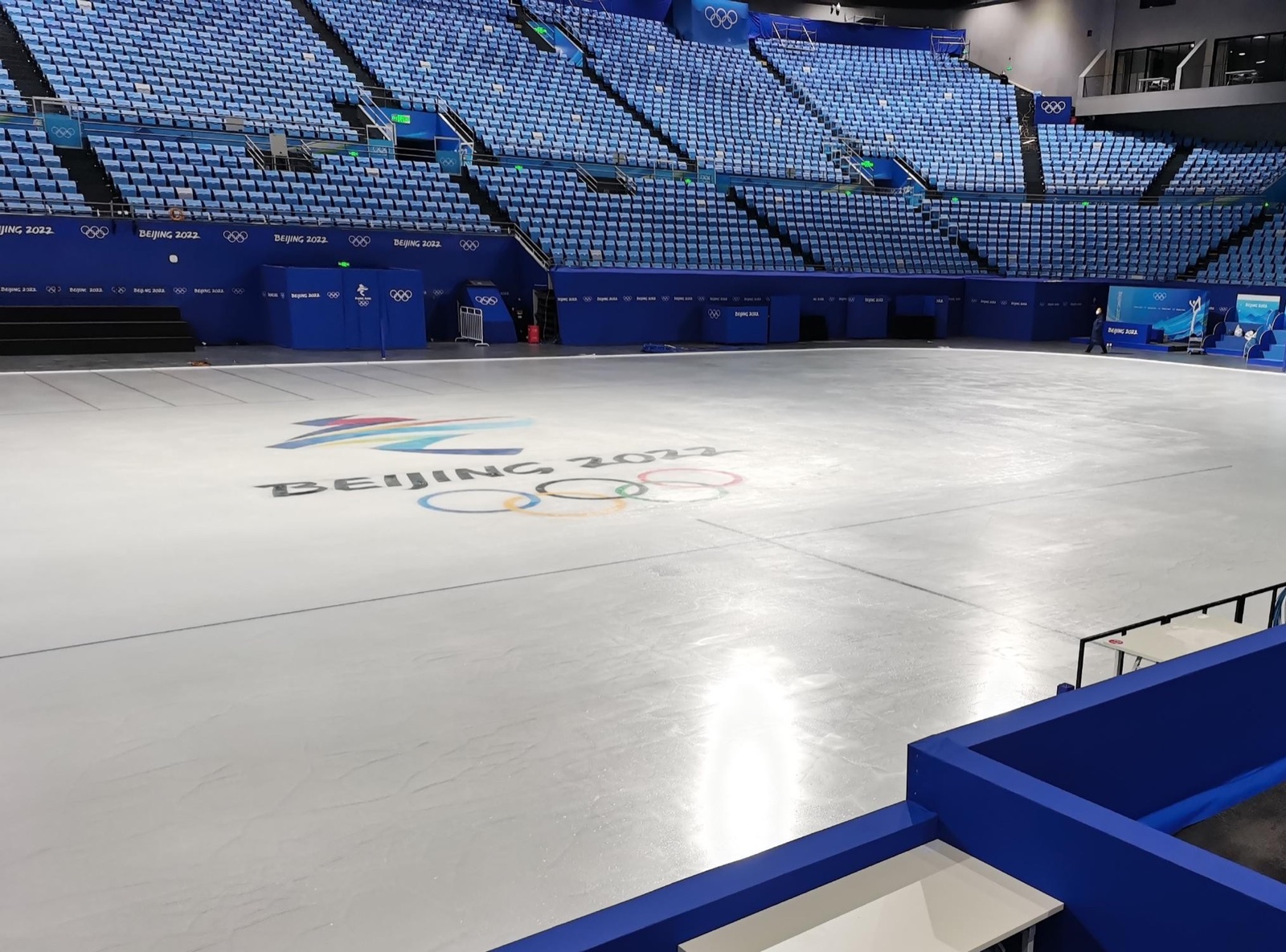
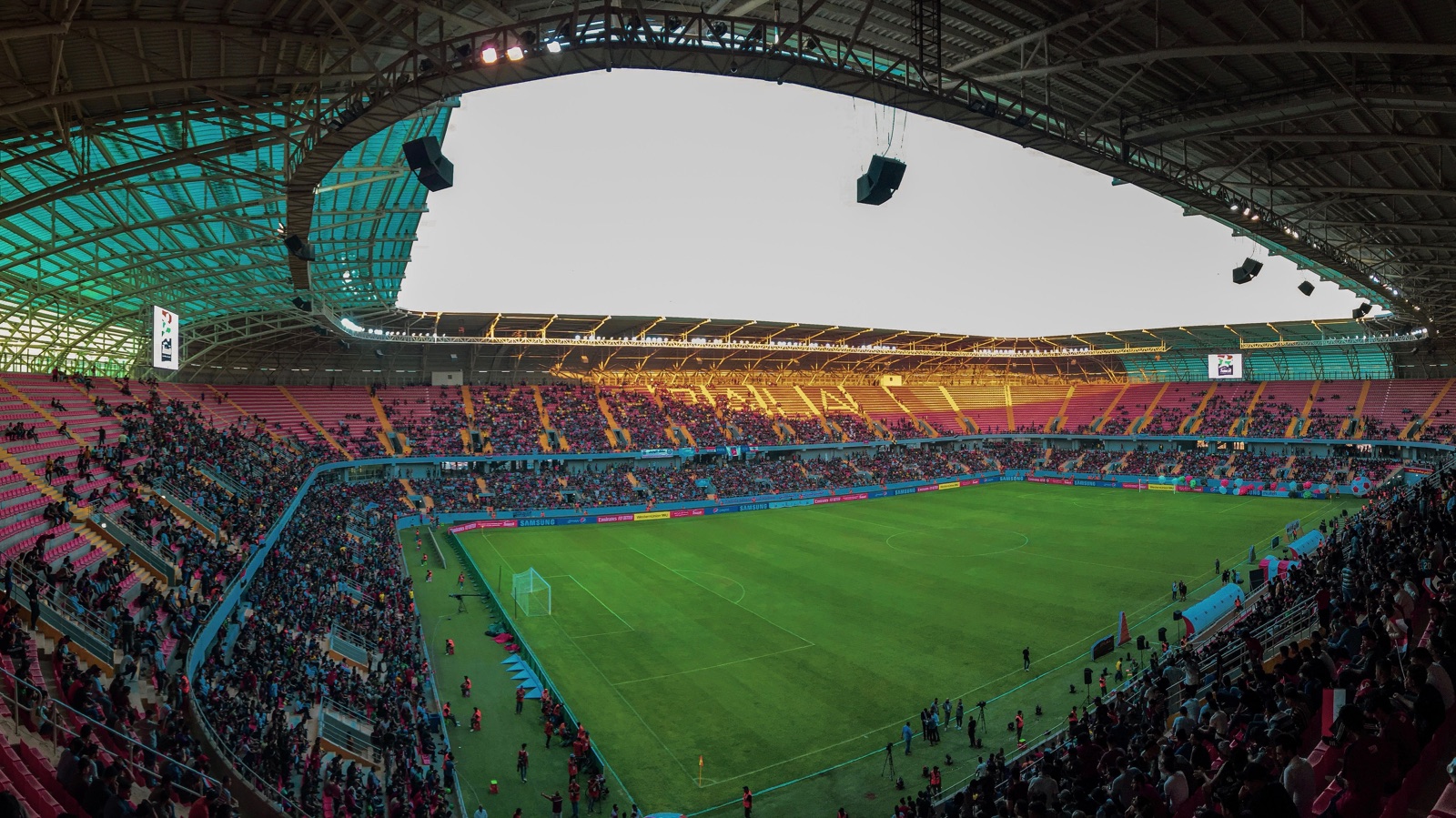
An illustrative operating scenario for layered CBRNE screening, monitoring and coordination at a major international event. HT-Nova equipment has supported detection operations associated with major events in China.
↗︎
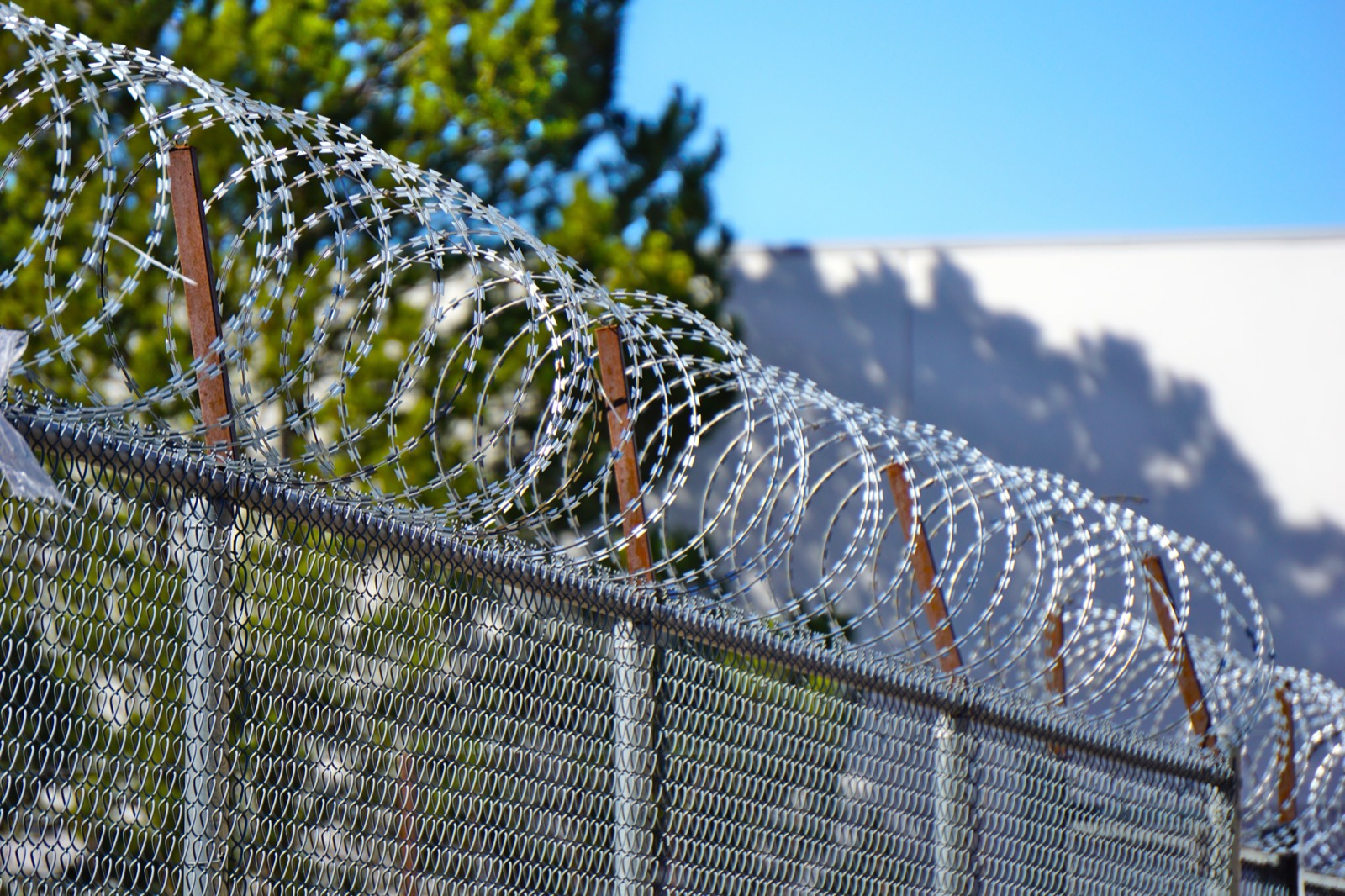
Protection of important locations combines site-specific risk assessment, layered sensing, trained response and sustained readiness across critical infrastructure and high-consequence venues.
↗︎
An illustrative scenario for continuous bioaerosol monitoring that establishes a baseline, detects abnormal changes and supports targeted sampling for laboratory identification.
↗︎
A national-security monitoring architecture combines fixed, mobile and unmanned sensing with baselines, alarm investigation and a shared operating picture.
↗︎Tell us about your environment, target substances and operational requirements. We’ll help map the right path.
Start a conversation