
Observe
Complementary sensors monitor the same location, process or event from different physical perspectives. The selection is based on the risk question and expected interferents.
Sensor-array technology combines complementary measurements to describe a threat or environment more completely than a single channel can. The value comes from coordinated sampling, time alignment and fusion logic - not simply from placing several sensors in one enclosure.
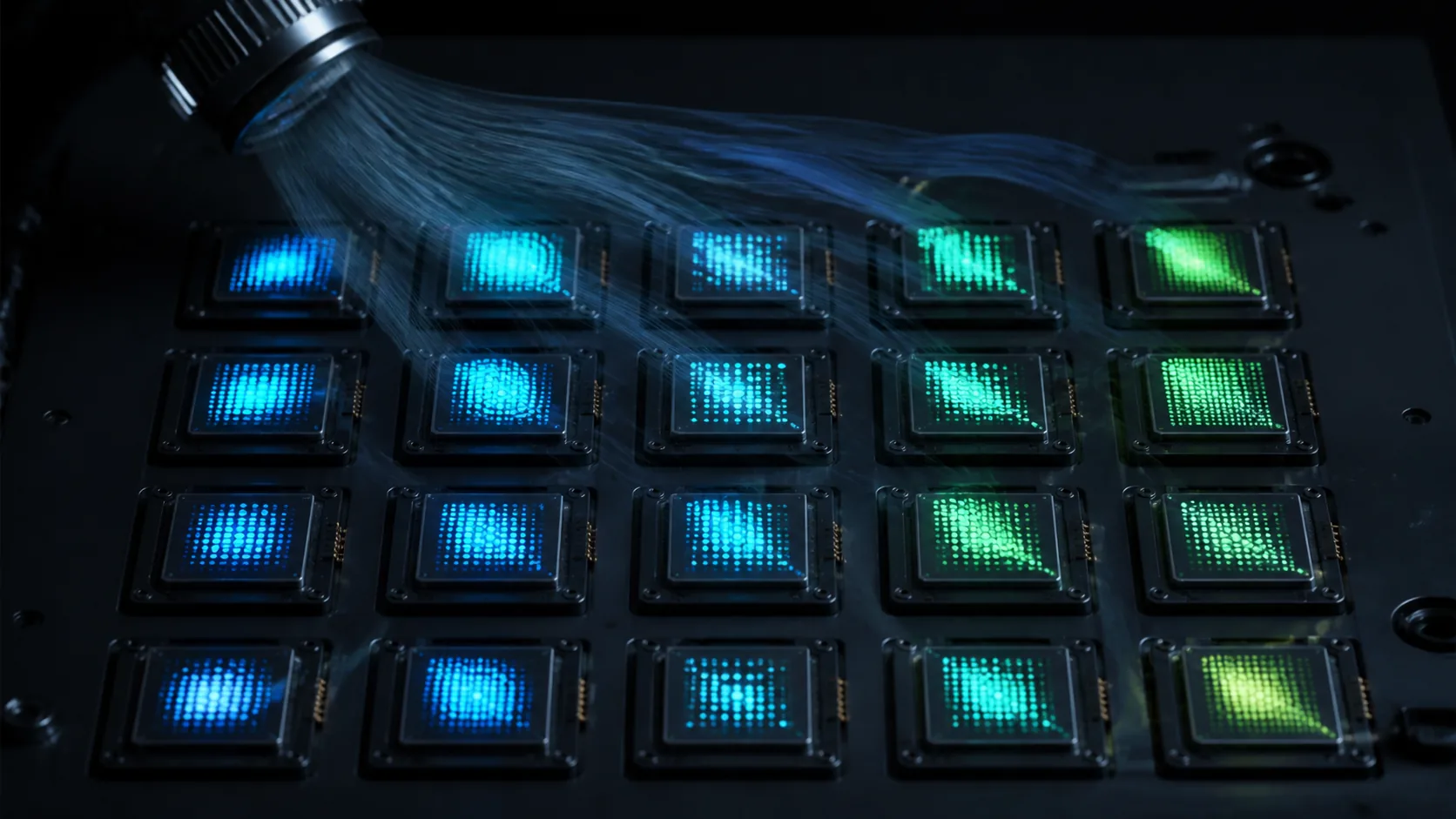
CBRNE (Chemical, Biological, Radiological, Nuclear, and Explosive) multi-sensor fusion technology involves integrating multiple sensors to enhance detection and identification of CBRNE threats. This technology combines various sensor types such as chemical sensors, biological sensors, radiation detectors, and explosive detection sensors.
The goal is to provide comprehensive real-time assessment of potential CBRNE hazards in specific environments. By utilizing various sensors, the system can detect chemicals, biological agents, radiation, and explosives. Integration of data from different sensors enables more accurate and reliable identification of various threats.
CBRNE multi-sensor fusion technology is crucial in defense, homeland security, emergency response, and critical infrastructure protection. It enhances the capability of warning systems to rapidly and effectively respond to CBRNE incidents. Integration of sensor data provides a holistic view of the threat environment, enhancing situational awareness and decision-making in high-risk scenarios.
Each sensor responds to a different physical or chemical property and therefore contributes a distinct piece of evidence. A fusion system first timestamps, calibrates and quality-checks these streams so observations from different rates, ranges and units can be compared.
Features may then be combined at measurement, feature or decision level. Correlated changes can strengthen an event hypothesis, while disagreement can reveal interference, a failed channel or an incomplete view of the scene. Spatial data adds another layer by showing how a signal moves through the monitored area.
Fusion does not automatically make weak data accurate. Detection coverage, sensor placement, latency, missing values, cross-sensitivity and the independence of each channel must be understood before the combined result can support an alarm or operational decision.
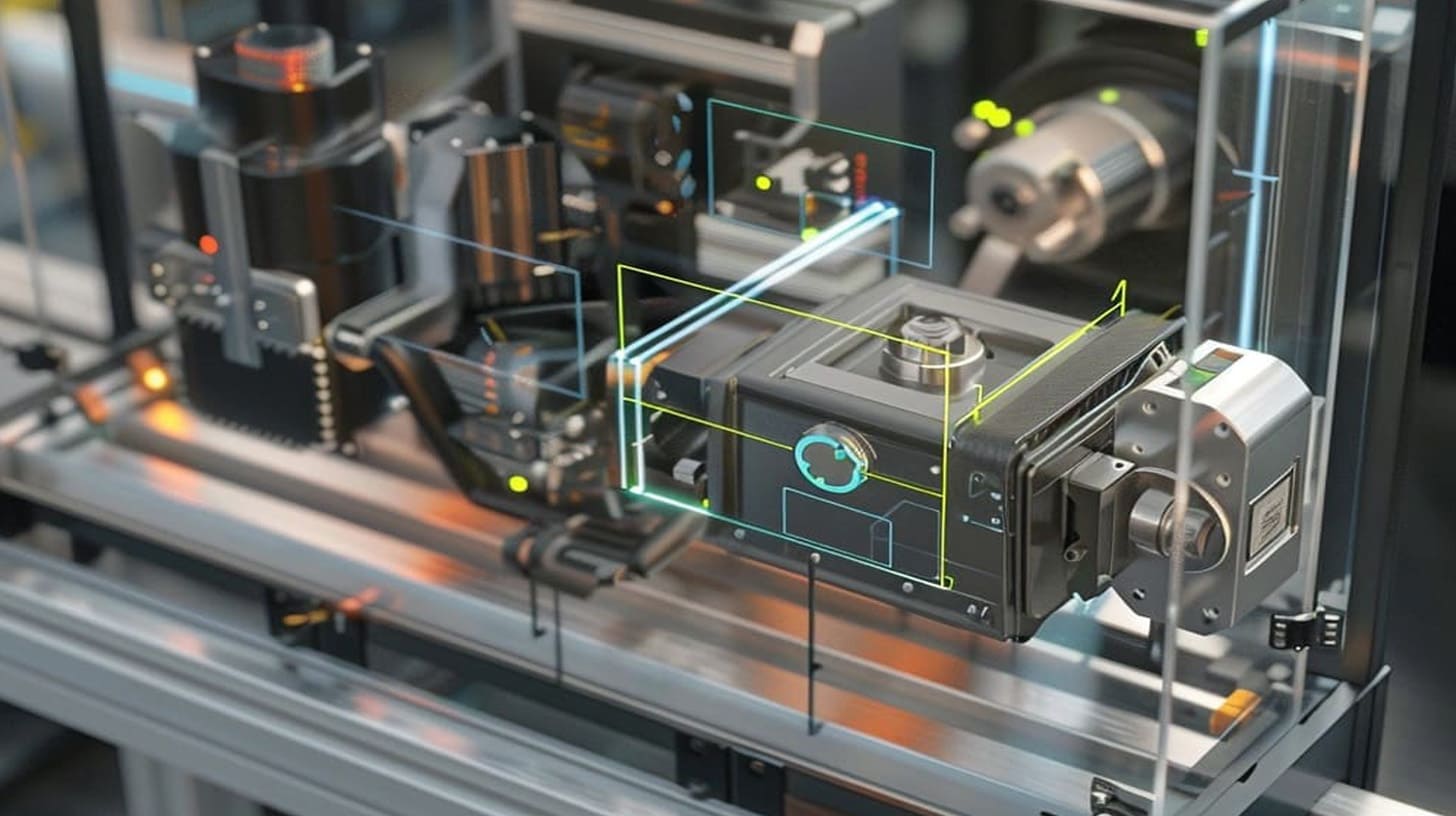
A useful array preserves the meaning and health of each individual measurement while creating a higher-level assessment for the operator.
Complementary sensors monitor the same location, process or event from different physical perspectives. The selection is based on the risk question and expected interferents.
Time, location, units and calibration status are normalised across channels. Quality flags prevent stale or unhealthy data from being treated as equivalent evidence.
Rules or statistical models combine correlated features while preserving uncertainty. The system can strengthen a consistent pattern or expose disagreement that needs investigation.
The operator receives a prioritised event with source data, confidence and location context. A traceable view supports both immediate action and later review.
The array must be designed around coverage, data quality and decision responsibility; algorithms cannot compensate for an undefined measurement objective.
Channels should contribute genuinely different evidence or resilience, not duplicate the same blind spot. Placement and sampling geometry determine whether observations describe the same event.
Unsynchronised clocks, drift and intermittent communication can create false correlations. Health metadata and latency limits belong in the fusion model.
Operators should be able to see which channels influenced an alarm and how uncertainty was handled. Clear fallbacks are needed when a sensor or network path is unavailable.
Sensor integration technology can integrate multiple sensors into the same system, enabling simultaneous monitoring and measurement of multiple parameters. By integrating different types of sensors, more comprehensive and accurate information can be obtained, providing users with more comprehensive data support.
Sensor integration technology integrates multiple sensors into one system, achieving integrated hardware and software design. Integrated architecture can simplify the operator interface and centralise data handling, but it also introduces calibration, timing, software and common-mode failure dependencies that must be validated at system level.
Sensor integration technology integrates multiple sensors into one system, avoiding the duplicate costs and space required for independently deploying multiple sensors. An integrated design may save installation space and shared infrastructure, while total cost depends on sensor selection, redundancy, calibration, networking and lifecycle support.
Through sensor integration technology, data obtained from different sensors can be uniformly managed and processed in the same system, ensuring data consistency and accuracy. In addition, different sensors can also achieve synergy, improving the intelligence and efficiency of the system.
Sensor integration technology has high flexibility and scalability, allowing the flexible configuration and adjustment of sensor types and quantities in the system according to actual needs. This flexibility enables the system to adapt to different application scenarios and changing requirements, making it more adaptable and customizable.
Tell us about your environment, target substances and operational requirements. We’ll help map the right path.
Start a conversation