
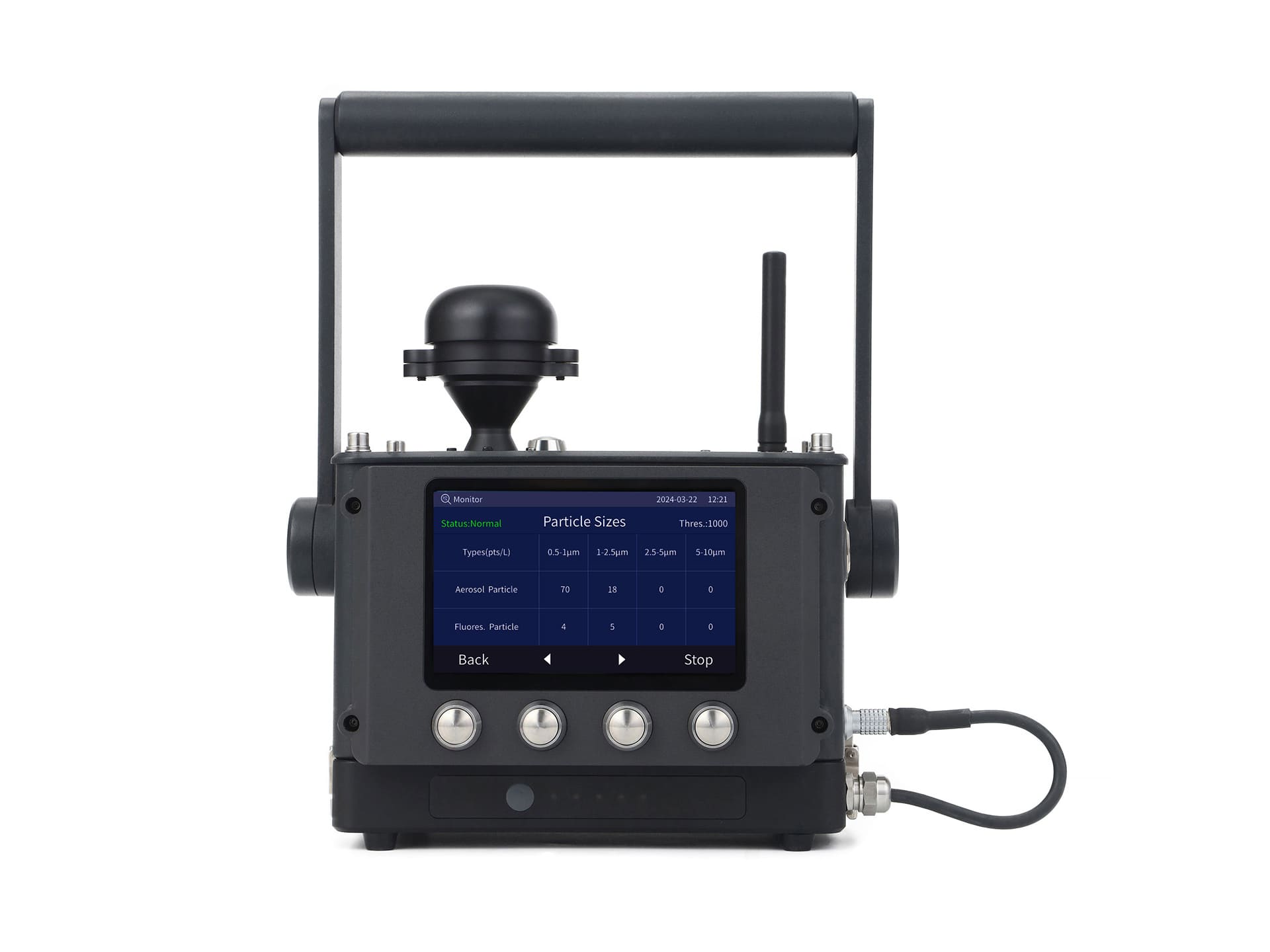
01BM3001
View 01
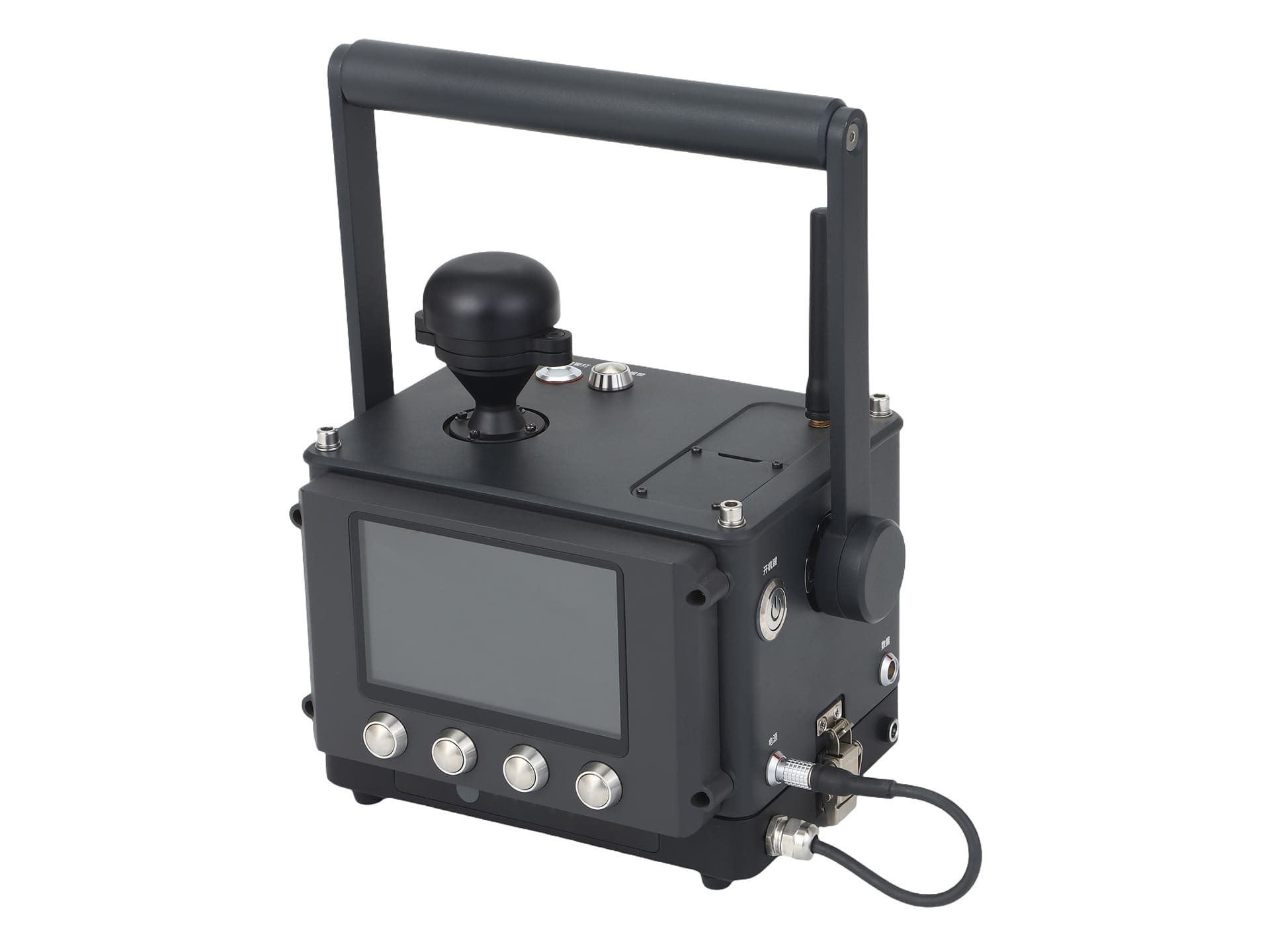
BM3001 is a compact biological aerosol detector that continuously monitors airborne biological factors - bacteria, spores, viruses and toxins - in indoor and outdoor environments, and alarms when concentrations exceed a set threshold. Detection is based on Mie scattering and UV-LIF, with alarm sensitivity reaching less than 3 ACPLA.
Biological release is not visible and does not announce itself, so the value of a detector lies in watching continuously rather than being brought out once there is suspicion. BM3001 is small enough to be sited permanently in a building, at an event or around a protected area, and left running.
What it produces is a decision, not a laboratory result: a continuous concentration reading for biological factors in the air, and an alarm when that concentration crosses the threshold set for the site. Response is fast, and roughly thirty-three hours of standby allows deployment where mains power is not immediately available.
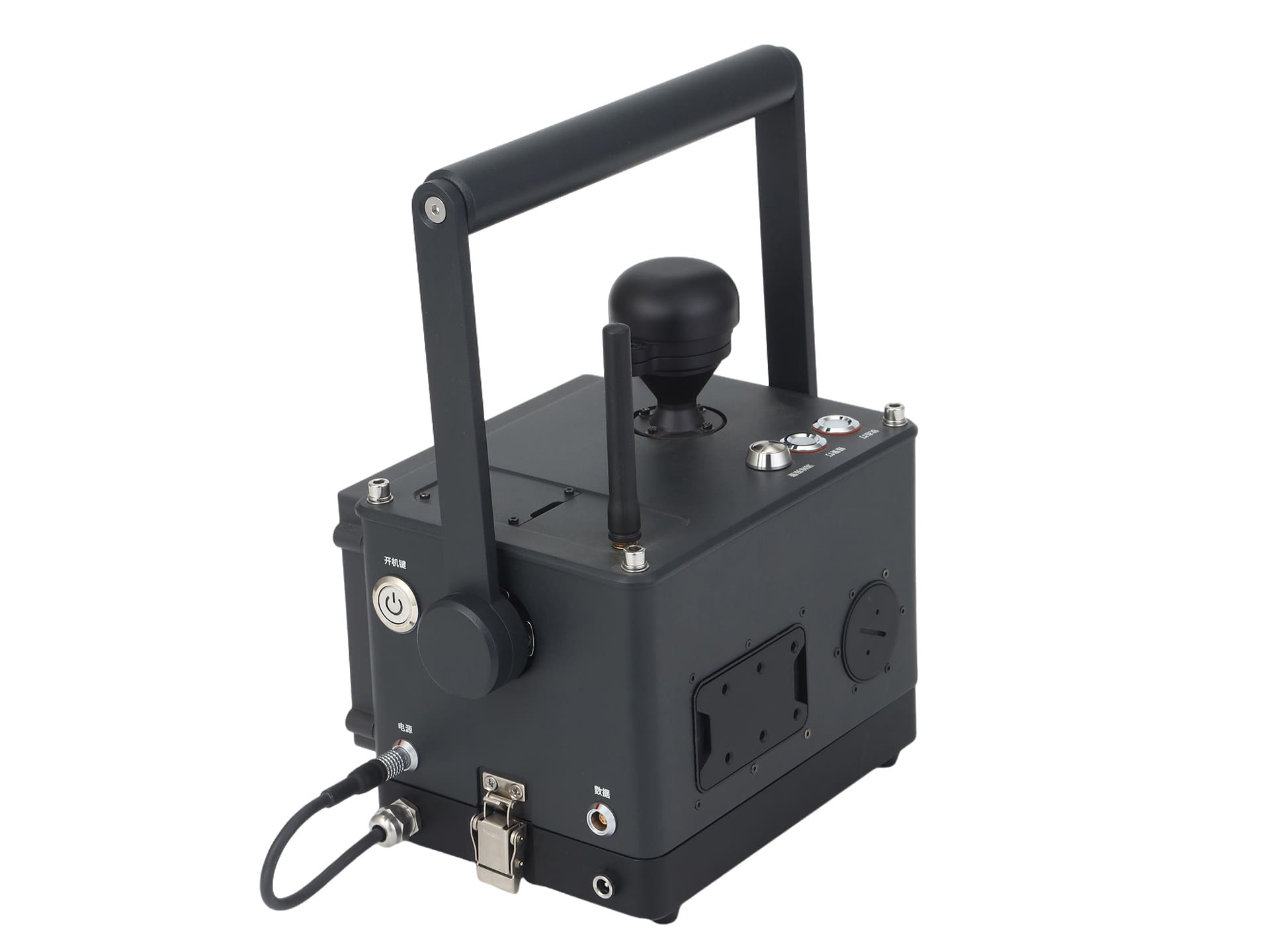
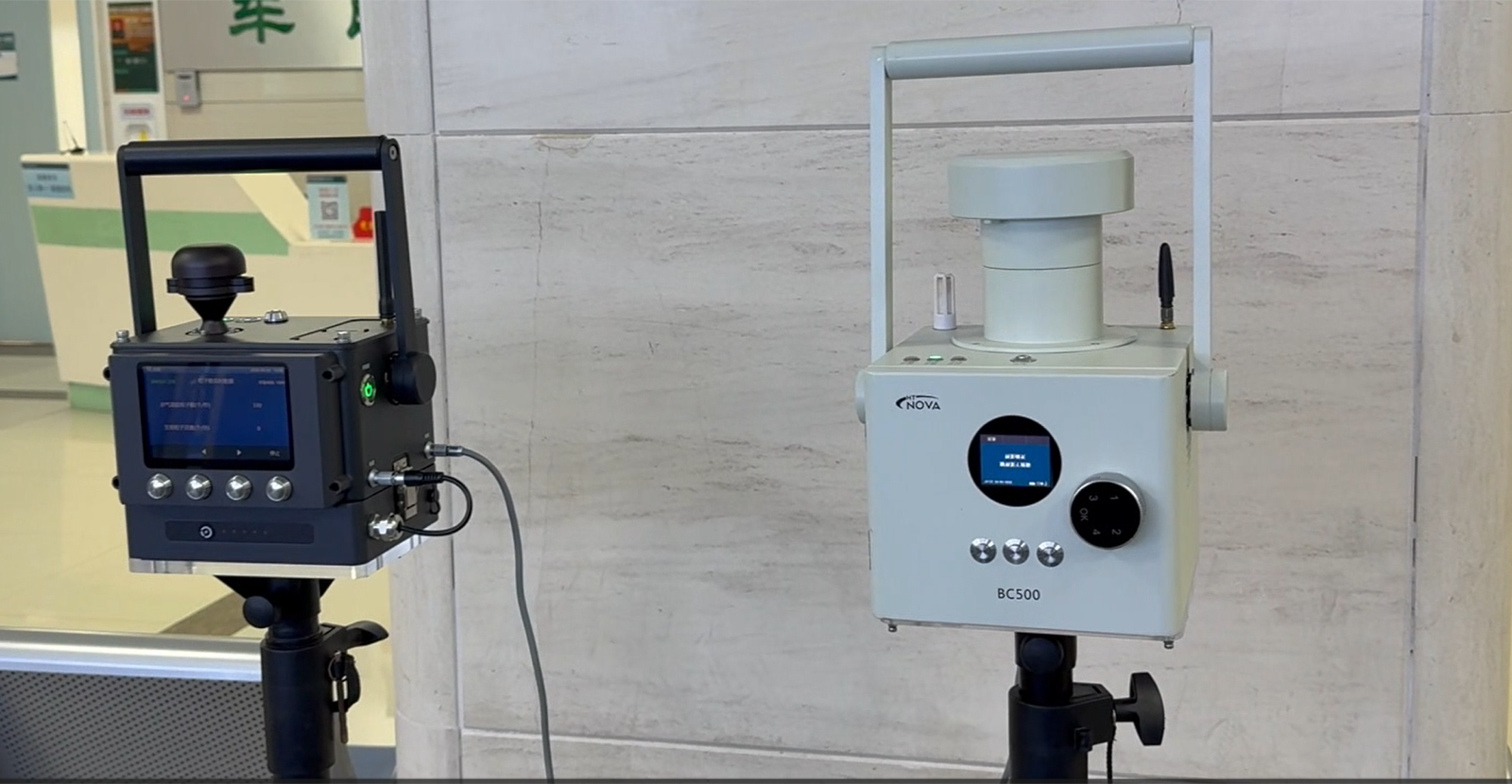
It can operate alone or as part of a wider arrangement. Paired with the BC500 sampler it forms an integrated monitoring, alarm and sampling chain, automatically triggering BC500 to capture a sample at the moment of alarm - so the material that caused the alarm is preserved for laboratory analysis. 4G wireless communication allows units to be networked for large-scale protection.
View 01
View 02
View 03
Can be connected to bio-aerosol sampler BC500 device externally and trigger sample collection automatically after alarm

Explore the related operating environment
↗︎
Explore the related operating environment
↗︎
Explore the related operating environment
↗︎
Explore the related operating environment
↗︎
Explore the related operating environment
↗︎
Explore the related operating environment
↗︎
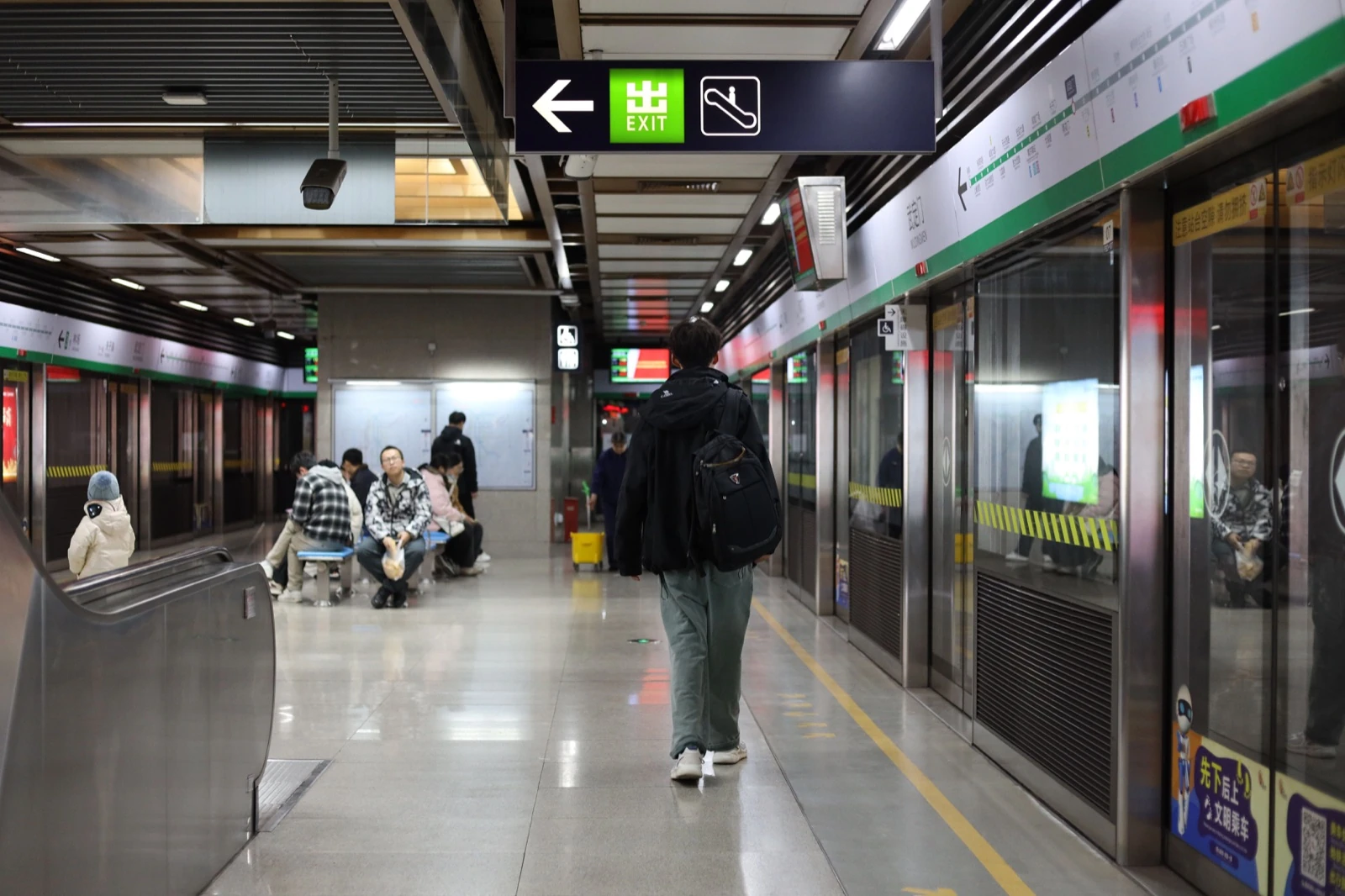
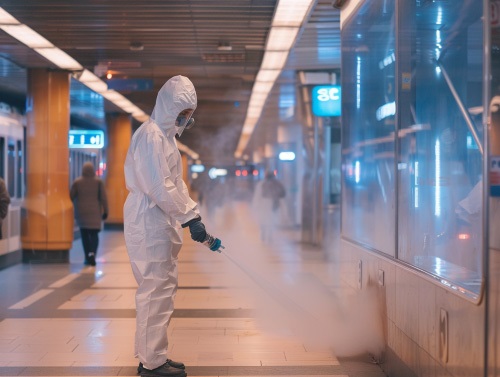
An illustrative scenario for continuous bioaerosol monitoring that establishes a baseline, detects abnormal changes and supports targeted sampling for laboratory identification.
↗︎
Continuous bioaerosol sensing establishes facility baselines, detects significant particle changes and triggers controlled sampling for laboratory identification.
↗︎
Continuous bioaerosol trends, targeted sampling and laboratory methods support research into how airborne microbial material changes across environments.
↗︎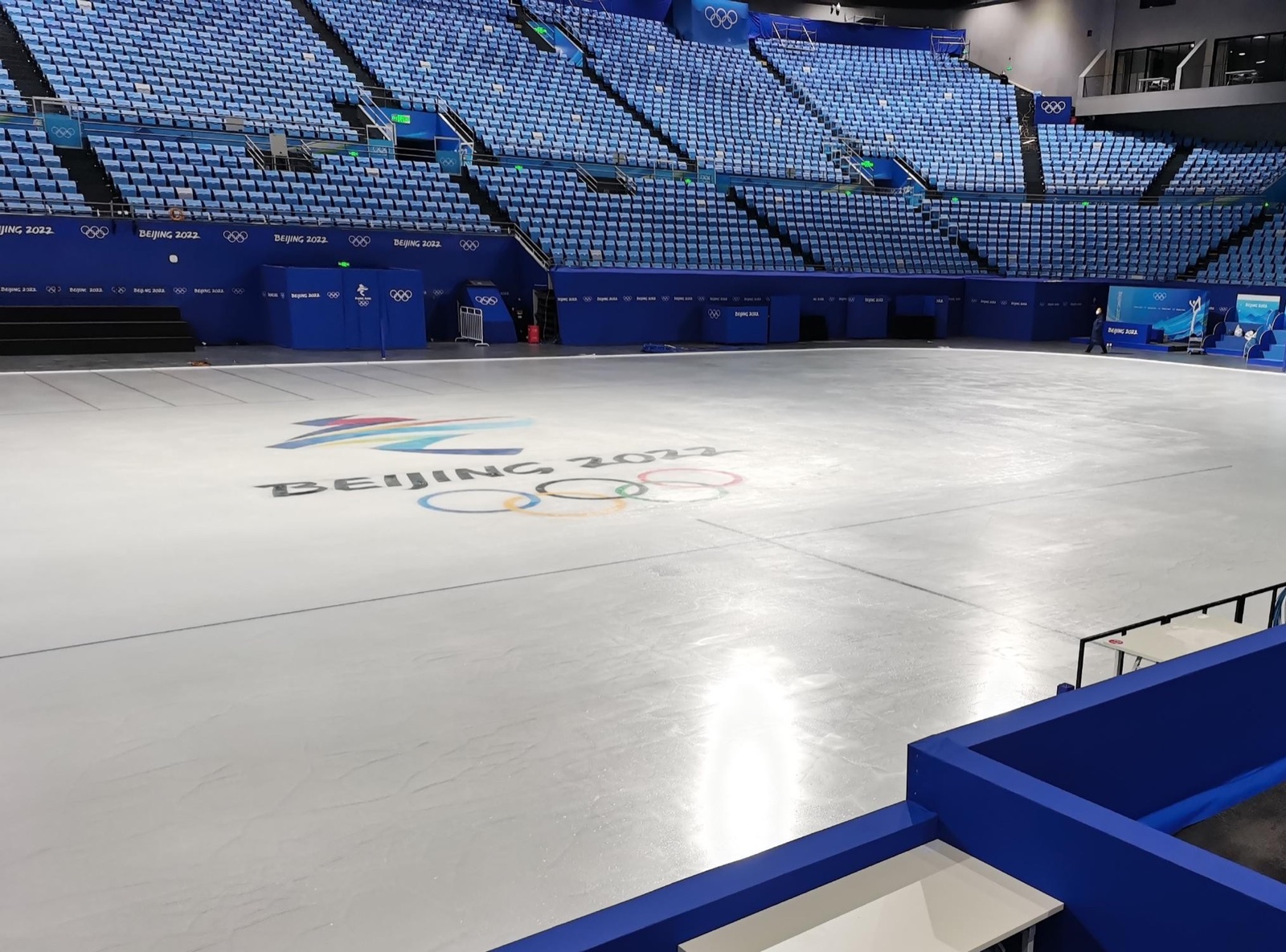
An illustrative operating scenario for layered CBRNE screening, monitoring and coordination at a major international event. HT-Nova equipment has supported detection operations associated with major events in China.
↗︎Tell us about your environment, target substances and operational requirements. We’ll help map the right path.
Start a conversation