
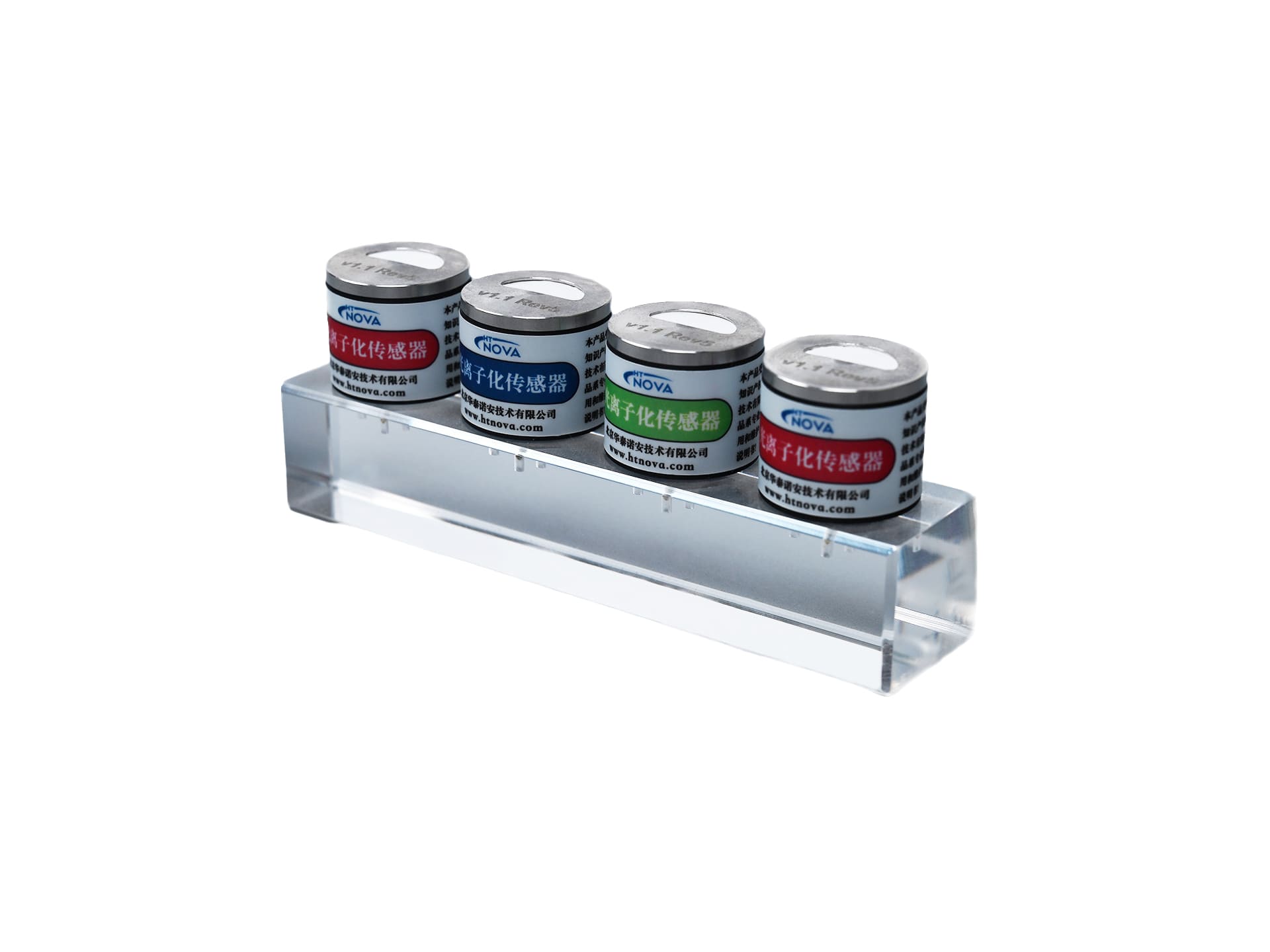
01PID Sensor Module
View 01
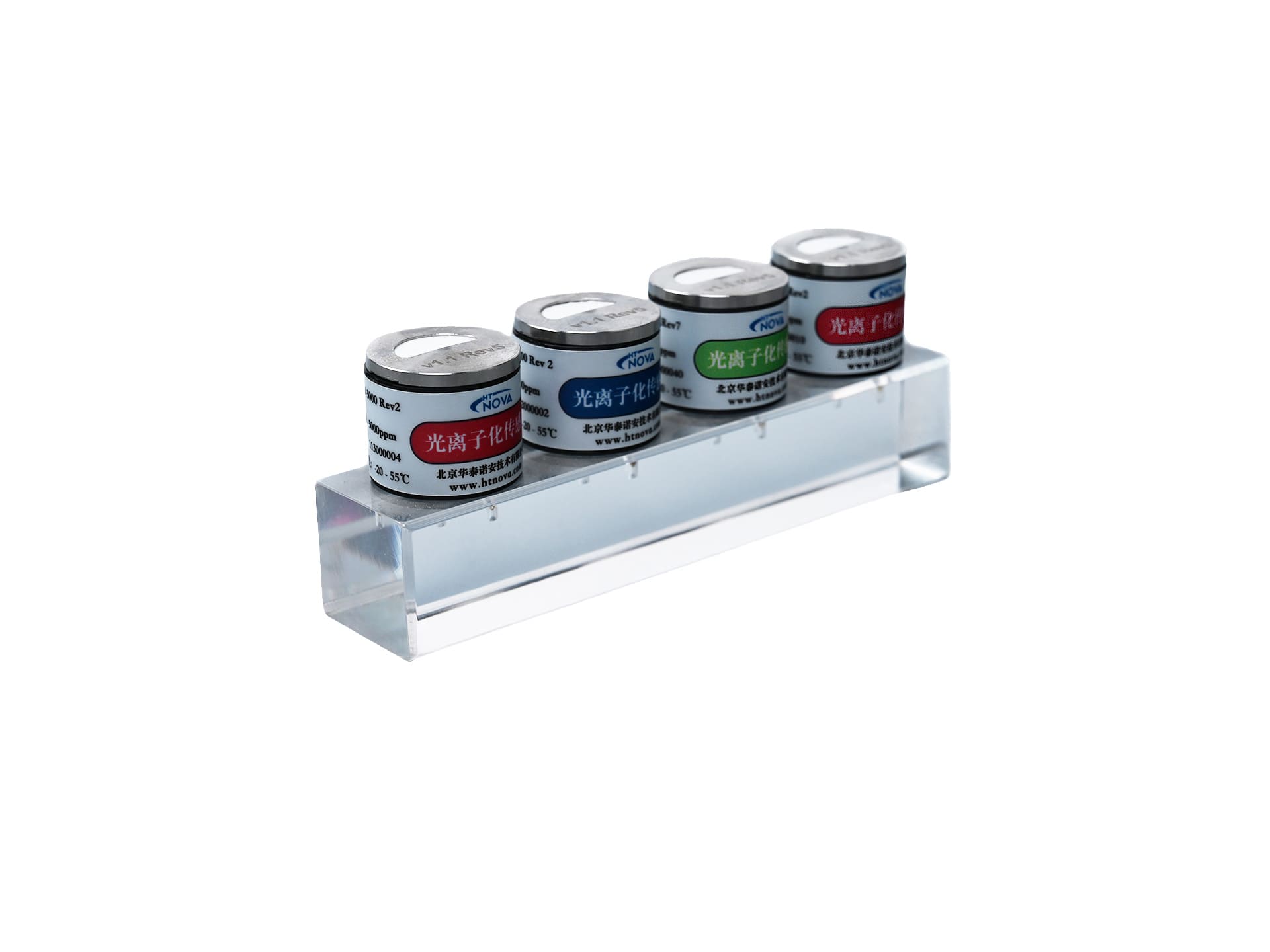
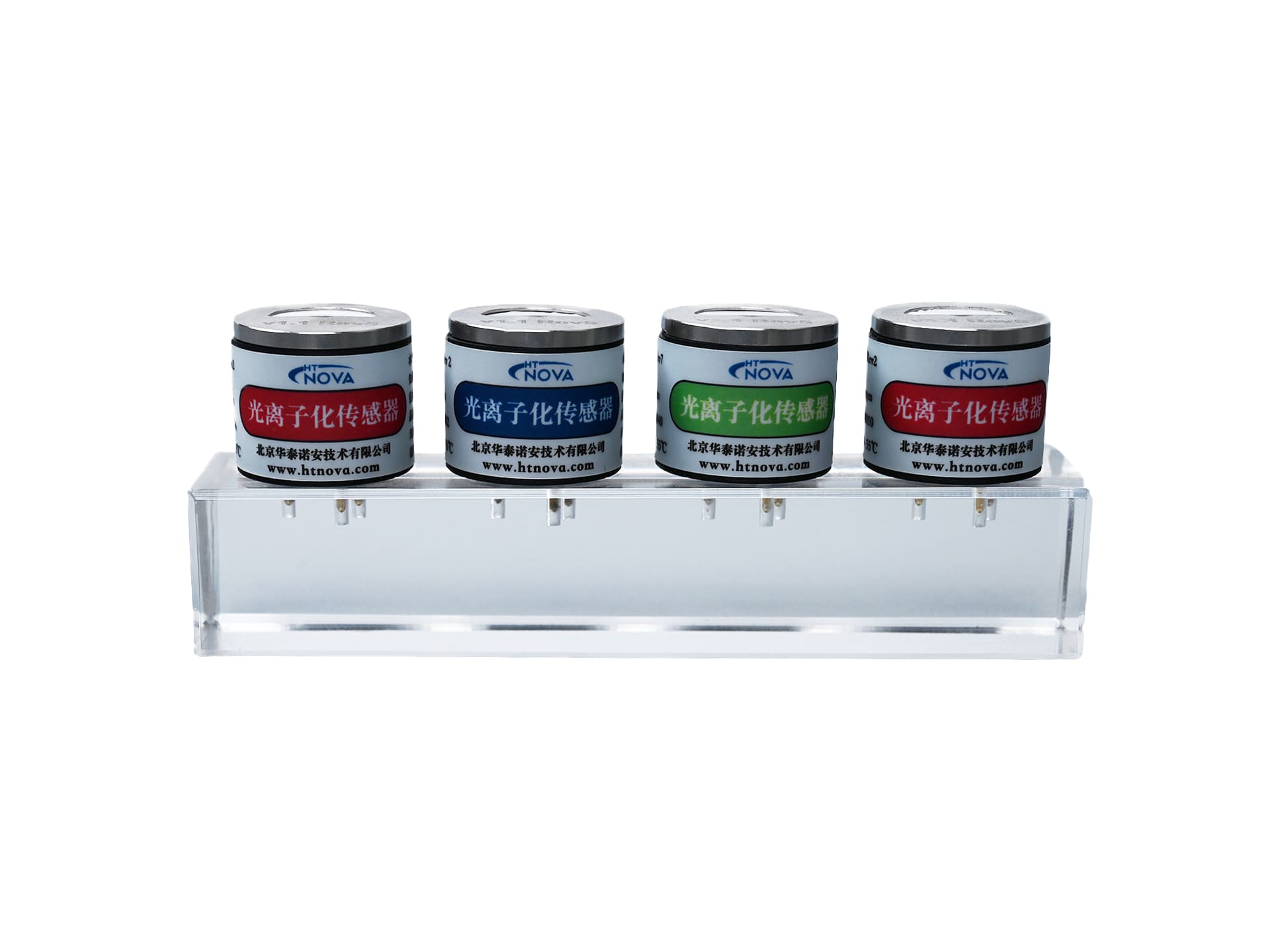
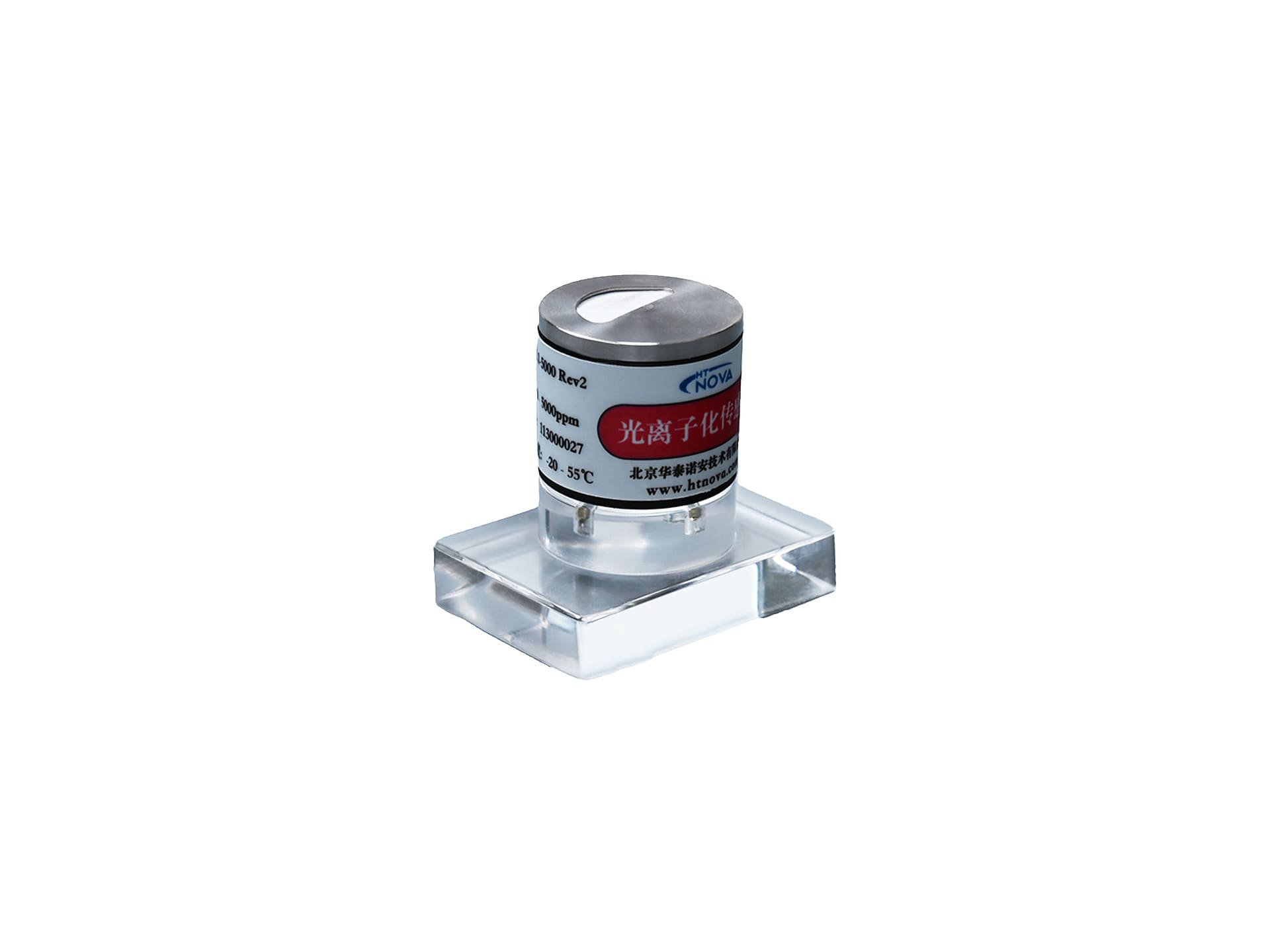
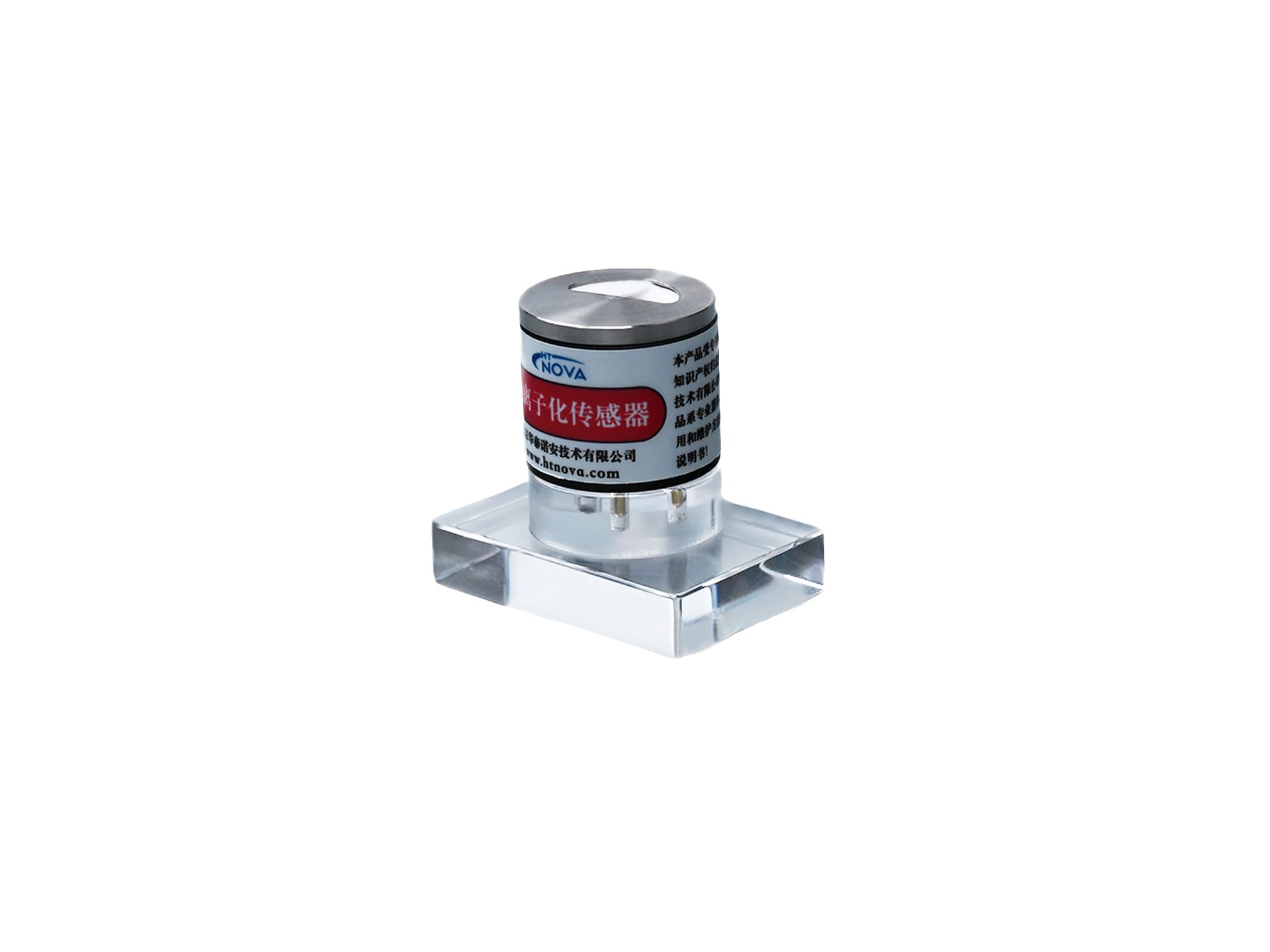
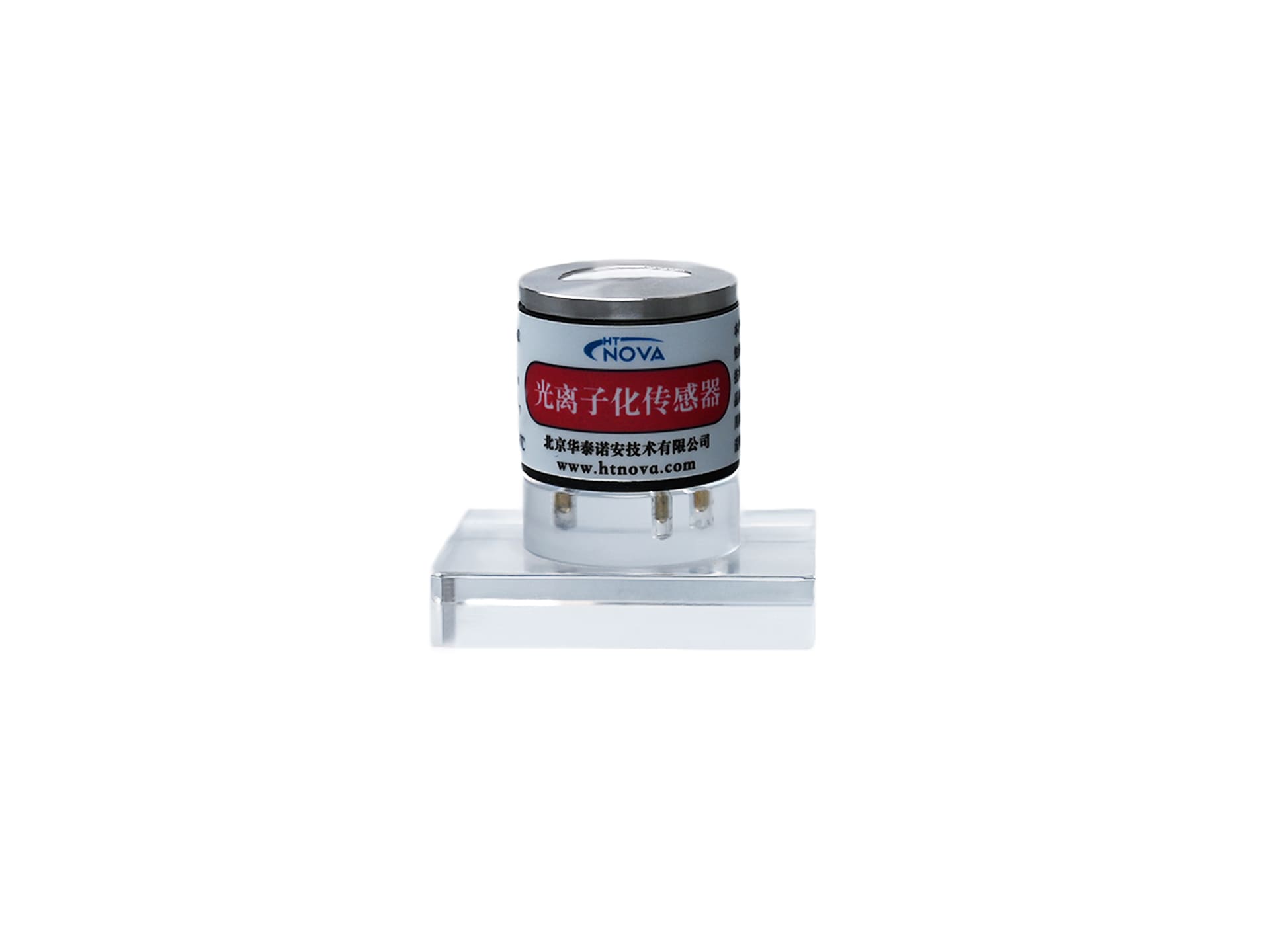
The PID sensor module is a photoionization detector for volatile organic compounds and certain inorganic gases. Photoionization is among the most widely used VOC detection technologies, and this module is supplied for integration into gas detection instruments and monitoring equipment.
A PID sensor is the component a VOC instrument is built around, so its characteristics set what the finished instrument can do. This module is specified for high linearity and high consistency between units - consistency being what allows an instrument manufacturer to calibrate a production run predictably rather than unit by unit.
Two practical failure modes are addressed in the design. Resistance to humidity interference keeps readings dependable in damp conditions, and an anti-contamination design extends usable service where the sampled air is dirty. Rated lifespan is not less than 8,000 hours.
Ionization energy options allow the sensor to be matched to the compounds a given instrument is intended to detect, and the measurement range is wide and can be customised. A 4-series standard 3-pin format keeps mechanical and electrical integration conventional.
View 01
View 02
View 03
View 04
View 05
View 06
10.0 eV/10.6 eV

Explore the related operating environment
↗︎
Explore the related operating environment
↗︎
Explore the related operating environment
↗︎
Explore the related operating environment
↗︎
Explore the related operating environment
↗︎
Explore the related operating environment
↗︎
An illustrative scenario for combining fixed and portable monitoring around chemical storage, process equipment and other risk locations in advanced manufacturing.
↗︎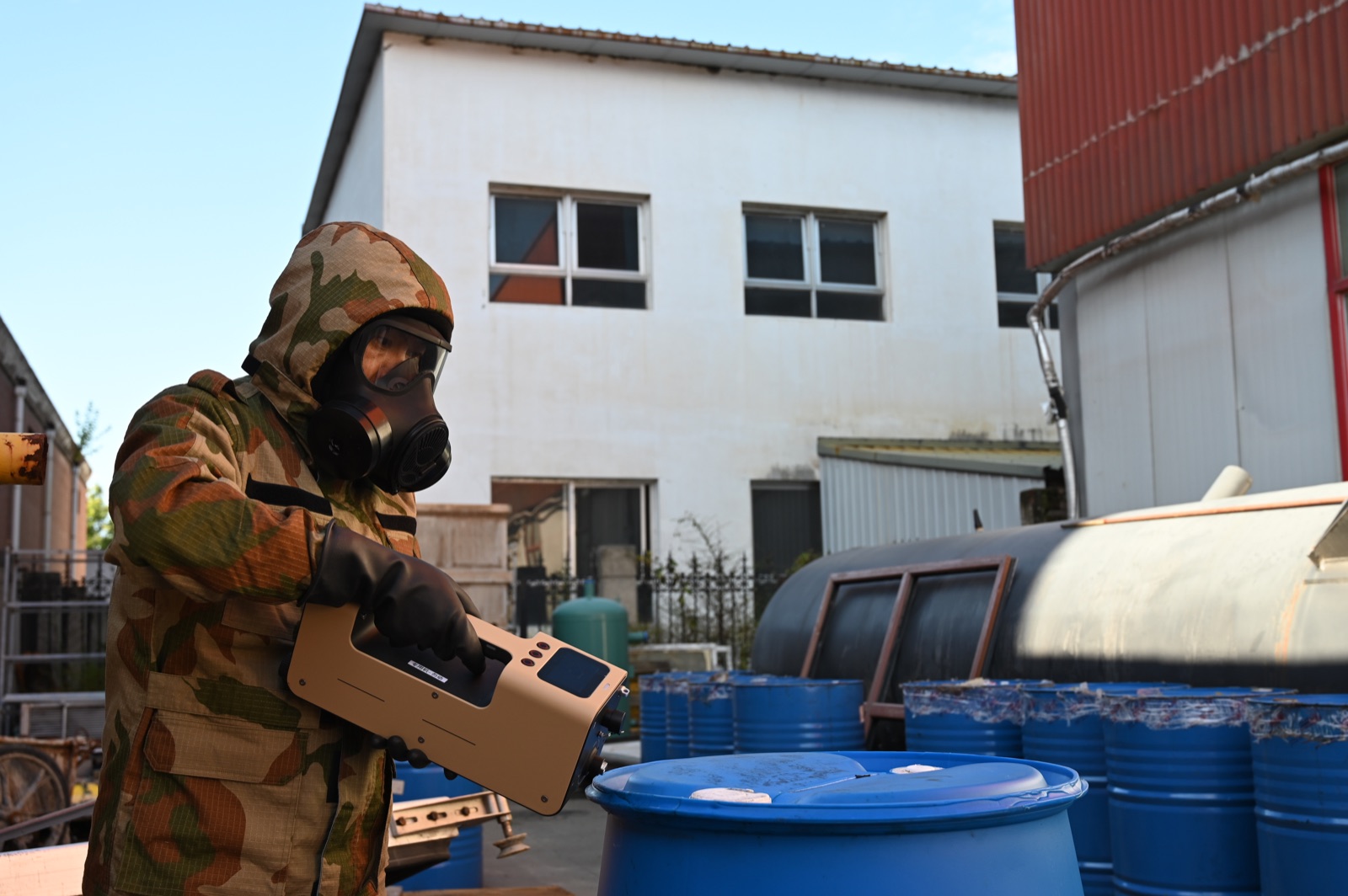
An illustrative response scenario showing how perimeter monitoring, complementary field instruments and disciplined sampling can support the assessment of an unknown chemical release.
↗︎
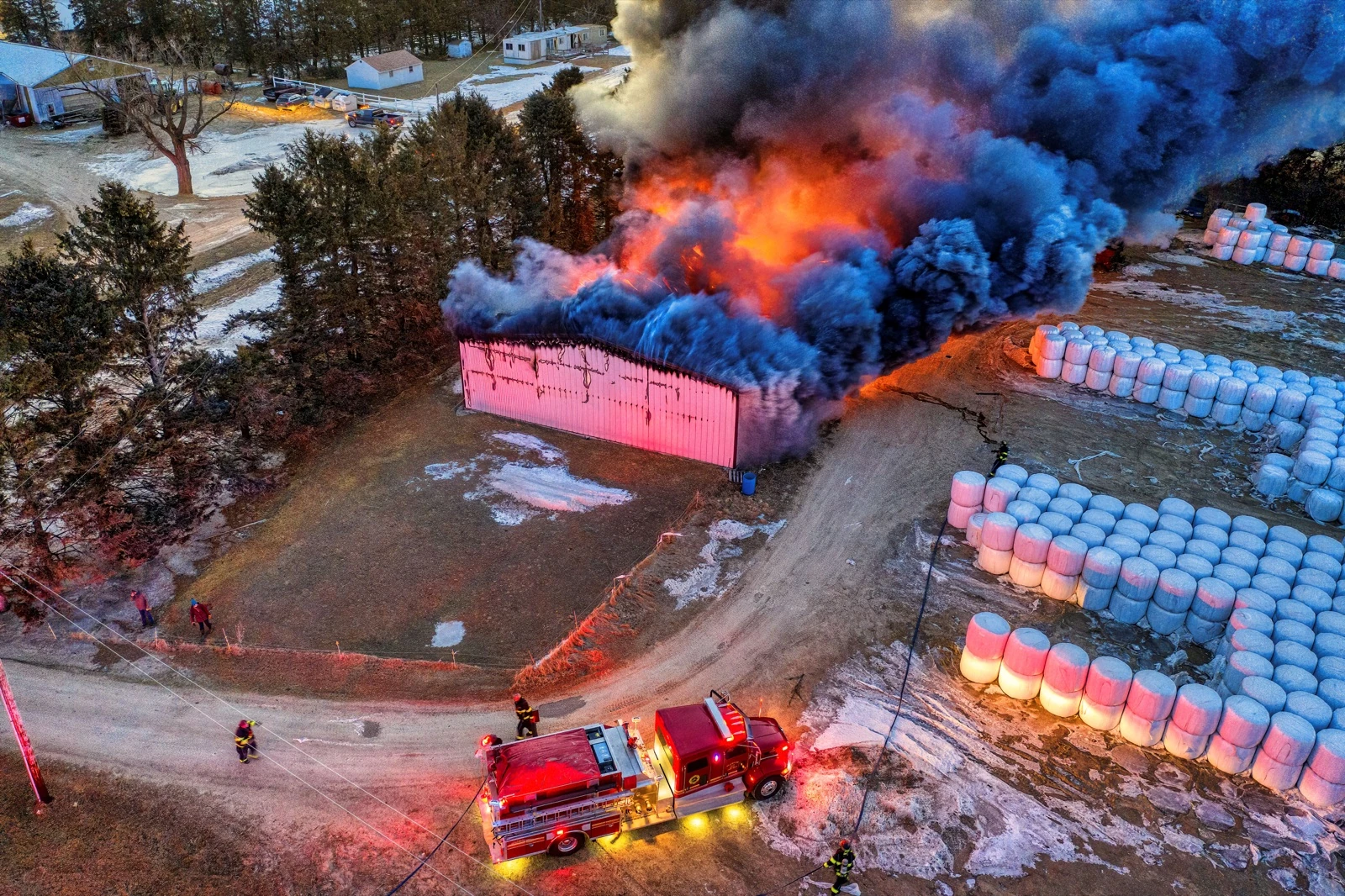
Risk-based fixed and portable gas monitoring connects target-gas selection, sensor placement, alarms and maintenance to plant response procedures.
↗︎
Portable PID screening supports fugitive-VOC investigation around valves, terminals and process equipment when target compounds and response factors are understood.
↗︎Tell us about your environment, target substances and operational requirements. We’ll help map the right path.
Start a conversation