
Technical application

Chemical Industry Monitoring

Portable PID screening supports fugitive-VOC investigation around valves, terminals and process equipment when target compounds and response factors are understood.

Chemical Industry Monitoring
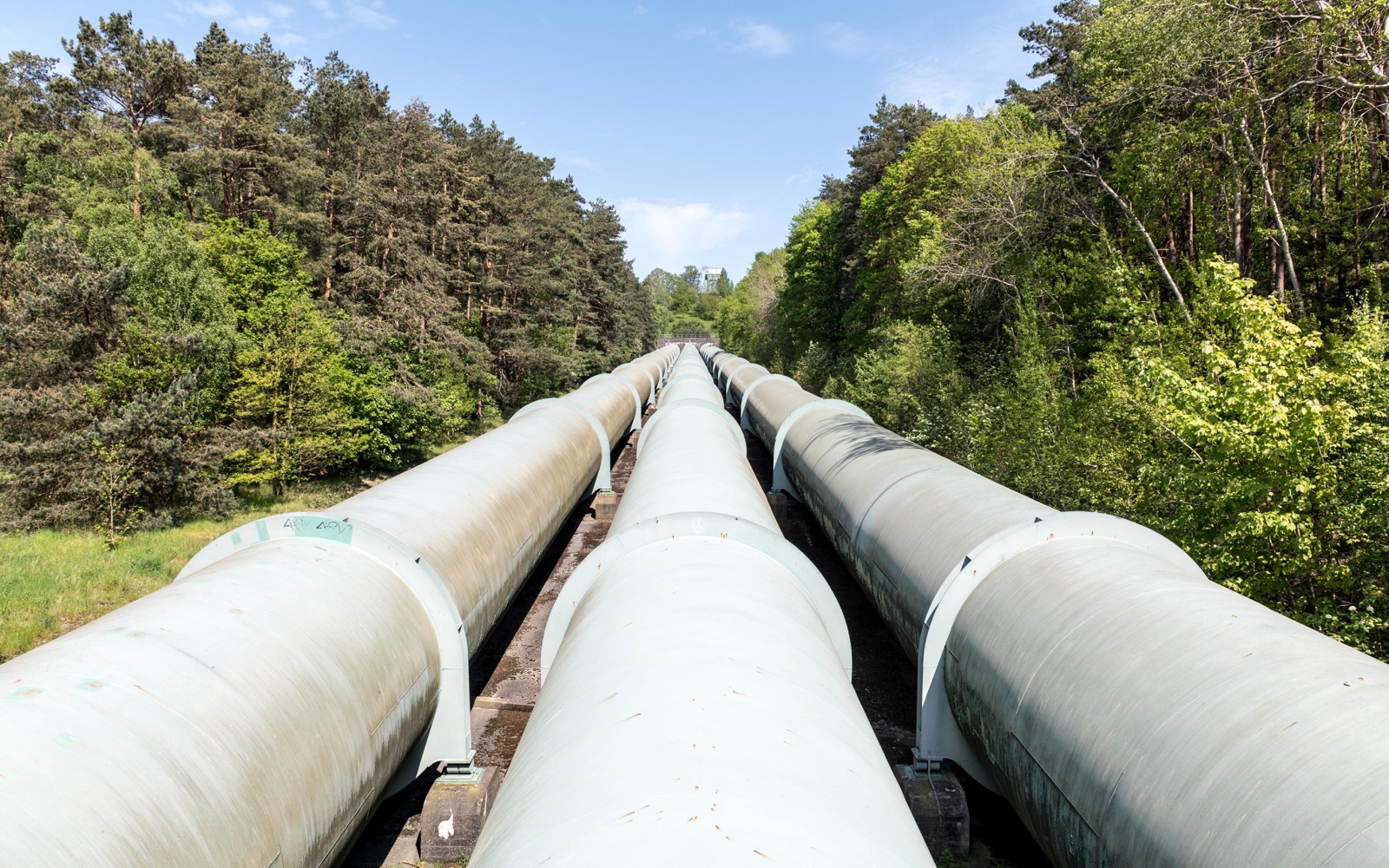
Portable PID screening for fugitive VOCs around process equipment.
Operational context

Oil, gas and chemical facilities need to investigate potential vapor releases around components, transfer points and maintenance activities. A portable PID can provide rapid total-ionizable-vapor screening and help compare locations or track change over time.

HT-Nova PID instruments can complement fixed detection and formal leak-detection or industrial-hygiene programmes.

Operational challenge

Operational challenge

A PID is non-specific: response depends on lamp energy, compound ionisation potential, calibration gas, humidity and mixture composition. It should not be described as measuring every harmful gas or the contents inside a closed pipeline.

Operating workflow

Operating workflow

01

Map the risk

Identify target substances, emission points, occupied areas, ventilation and process states.

02

Select and place

Choose compatible sensing methods and locate fixed or portable instruments according to the release scenario.

03

Set the baseline

Commission the system with documented calibration, alarm logic and normal operating data.

04

Respond to change

Connect alarms to confirmation checks, plant communications and site response procedures.

05

Maintain performance

Review calibration, bump tests, sensor life, cross-sensitivity and trend data throughout operation.

Technology role

Technology role

The instrument samples ambient or drawn vapor near accessible equipment. Correction factors and known target compounds improve interpretation, while selective sensors or laboratory methods address substances a PID cannot detect or distinguish.

Technical boundaries

Technical boundaries

A zero reading does not establish that the atmosphere is free of all hazards, including methane, oxygen deficiency or compounds above the lamp energy. Hazardous-area suitability and site procedure must be verified before use.

Mission value

Mission value

01

Rapid comparison

Teams can compare vapor response across components and operating states.

02

Focused follow-up

Elevated response directs selective measurement, repair or sampling.

03

Method-aware reporting

Readings identify calibration gas, lamp and relevant response assumptions.

Talk to an expert

Discuss your detection requirements.

Tell us about your environment, target substances and operational requirements. We’ll help map the right path.

Start a conversation