
CBRNE Operations in Practice
Explore how detection technologies support real deployments, operational scenarios, technical applications and mission capabilities across the CBRNE lifecycle.
Each case explains the operating problem, workflow, technology role, technical boundaries and mission value - without treating a field indication as a substitute for responsible interpretation or confirmation.
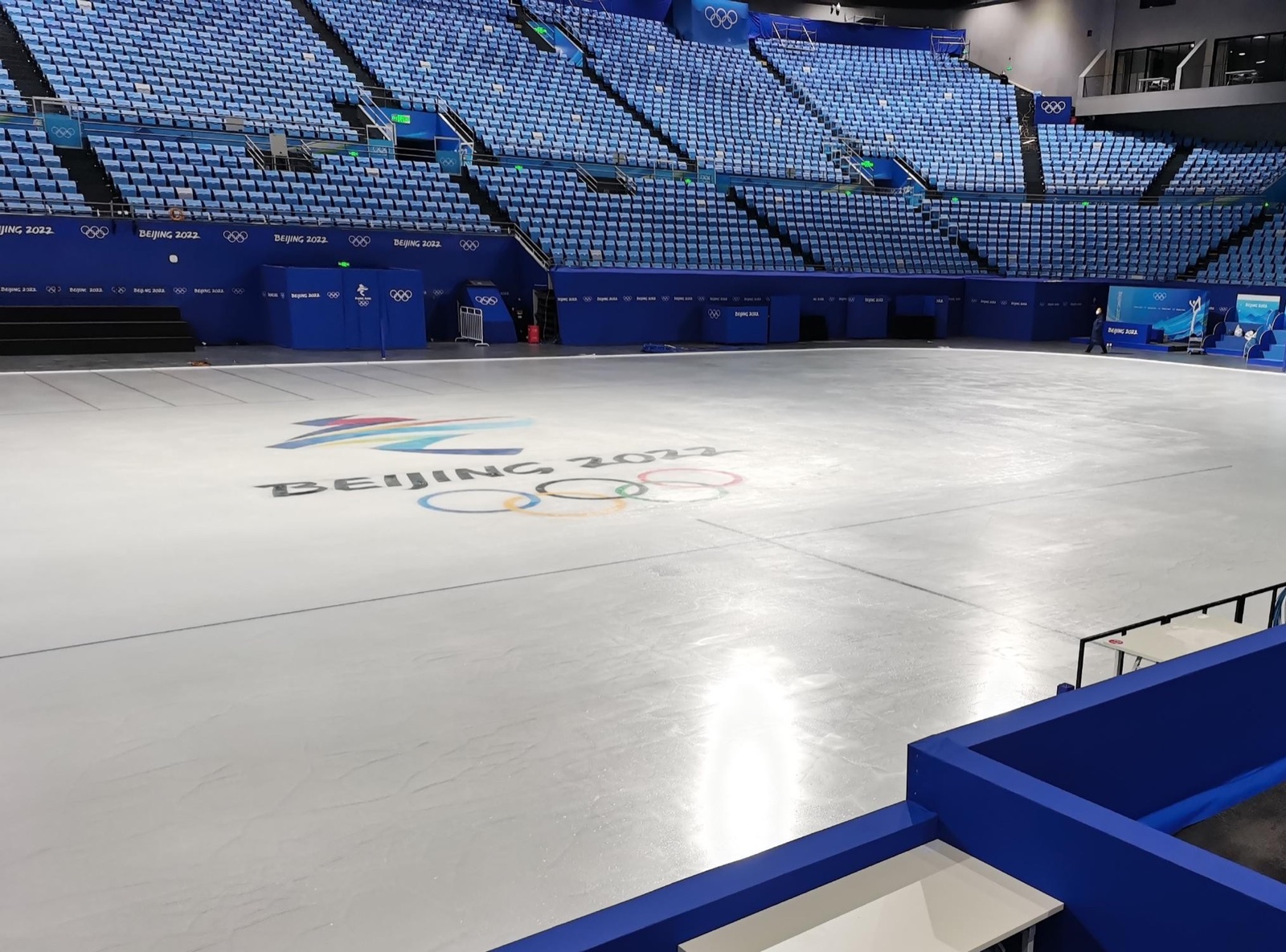
Integrated CBRNE Security for a Major International Event
An illustrative operating scenario for layered CBRNE screening, monitoring and coordination at a major international event. HT-Nova equipment has supported detection operations associated with major events in China.
Read case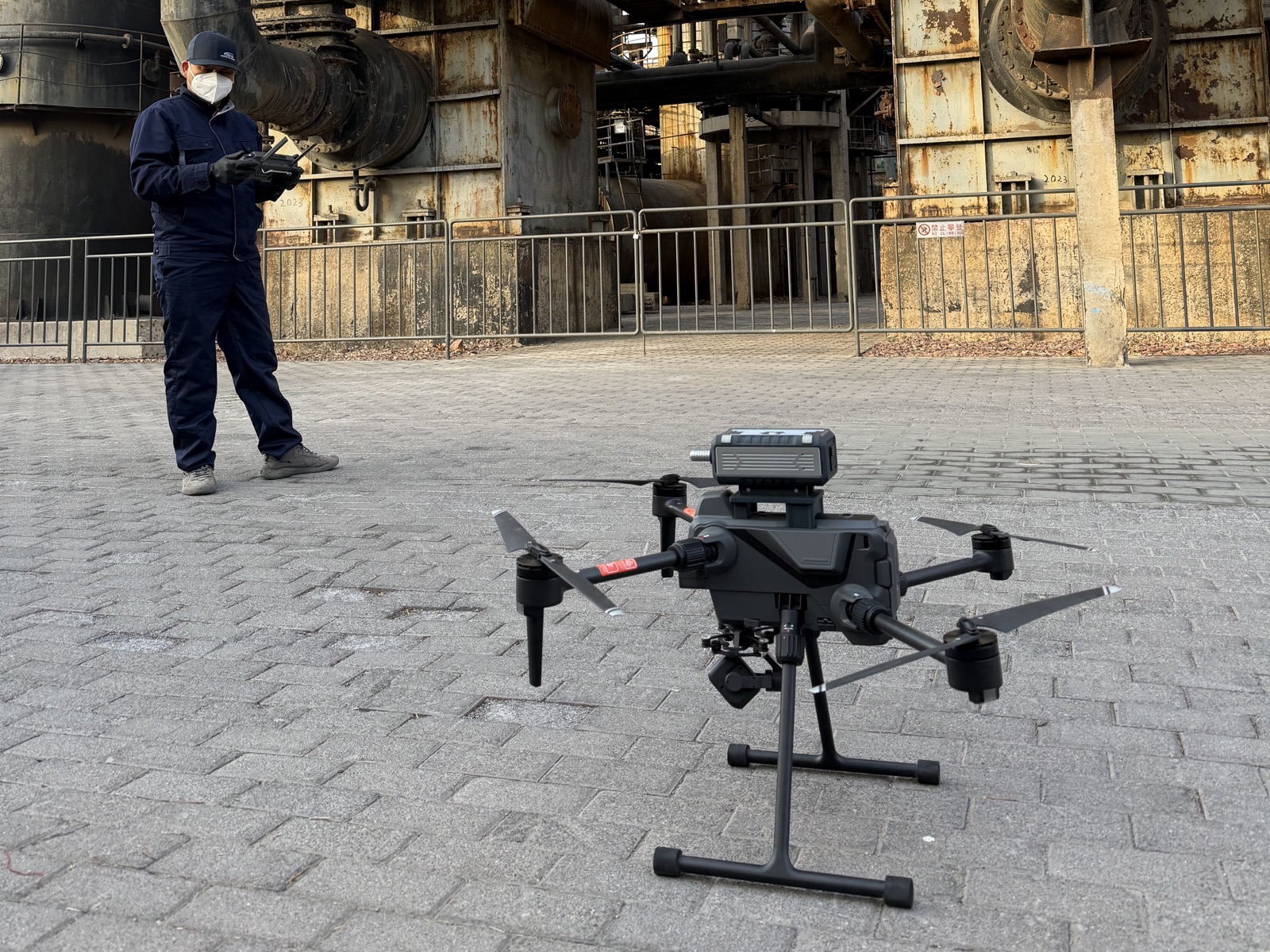
UAV-Based CBRN Reconnaissance in a Hazardous Area
An illustrative scenario showing how an unmanned aircraft, detection payloads, communications and mapping can support initial CBRN reconnaissance while operators remain outside a potential hazard area.
Read case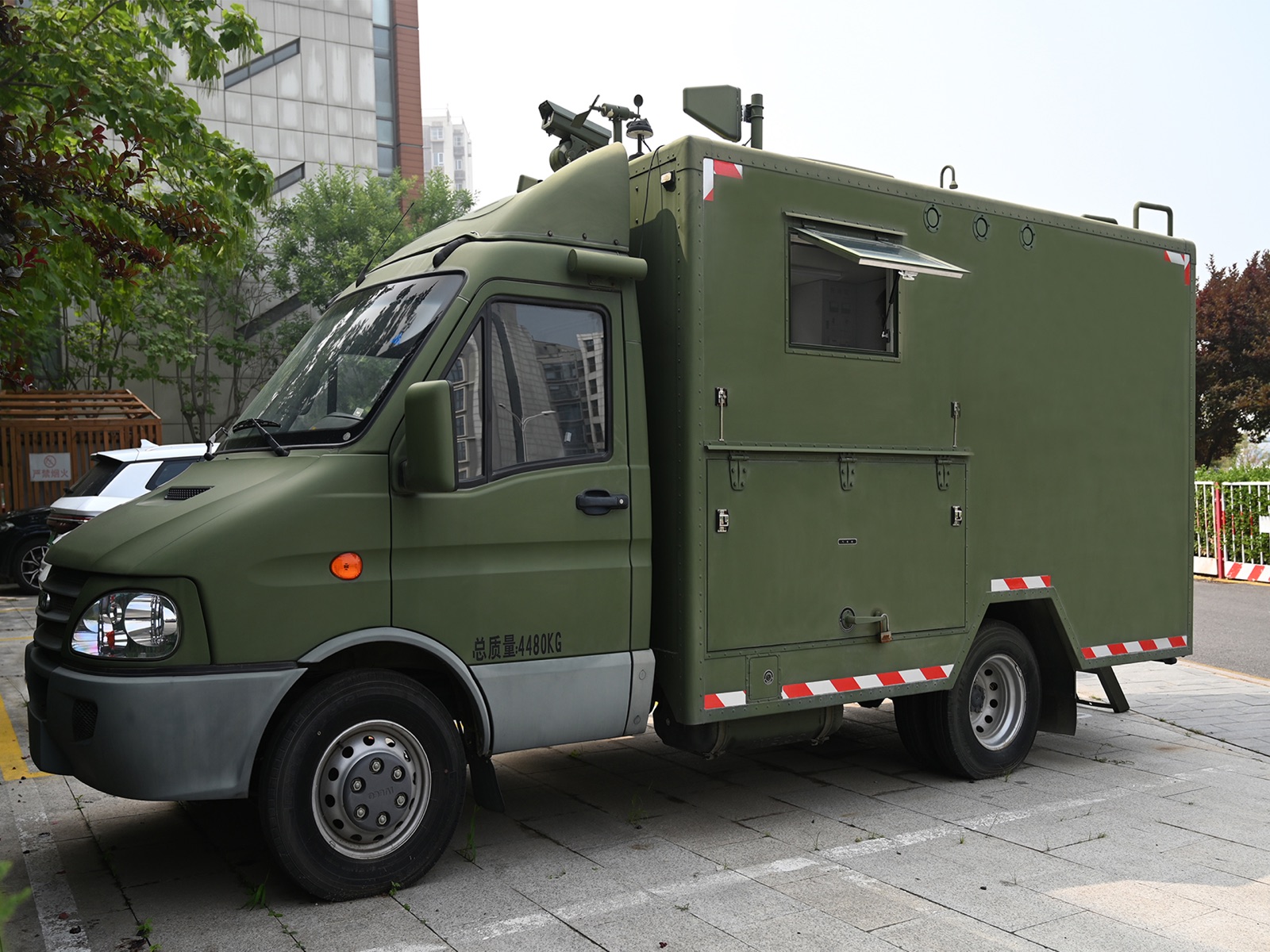
Mobile CBRN Reconnaissance and Emergency Command
An illustrative scenario for a mobile CBRN reconnaissance and command platform that connects field sensing, communications, coordination and a shared operating picture.
Read case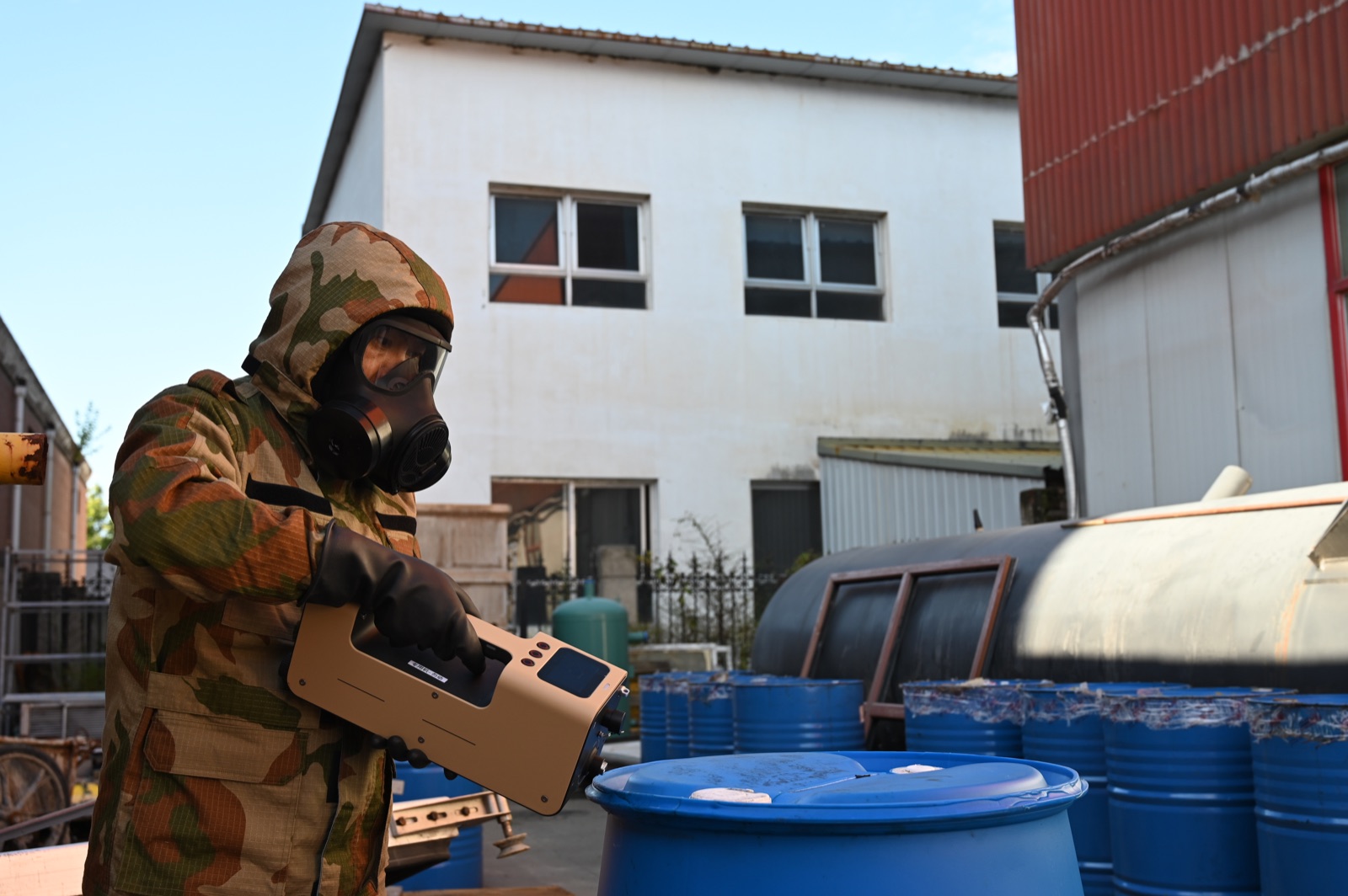
Emergency Response to an Unknown Chemical Release
An illustrative response scenario showing how perimeter monitoring, complementary field instruments and disciplined sampling can support the assessment of an unknown chemical release.
Read case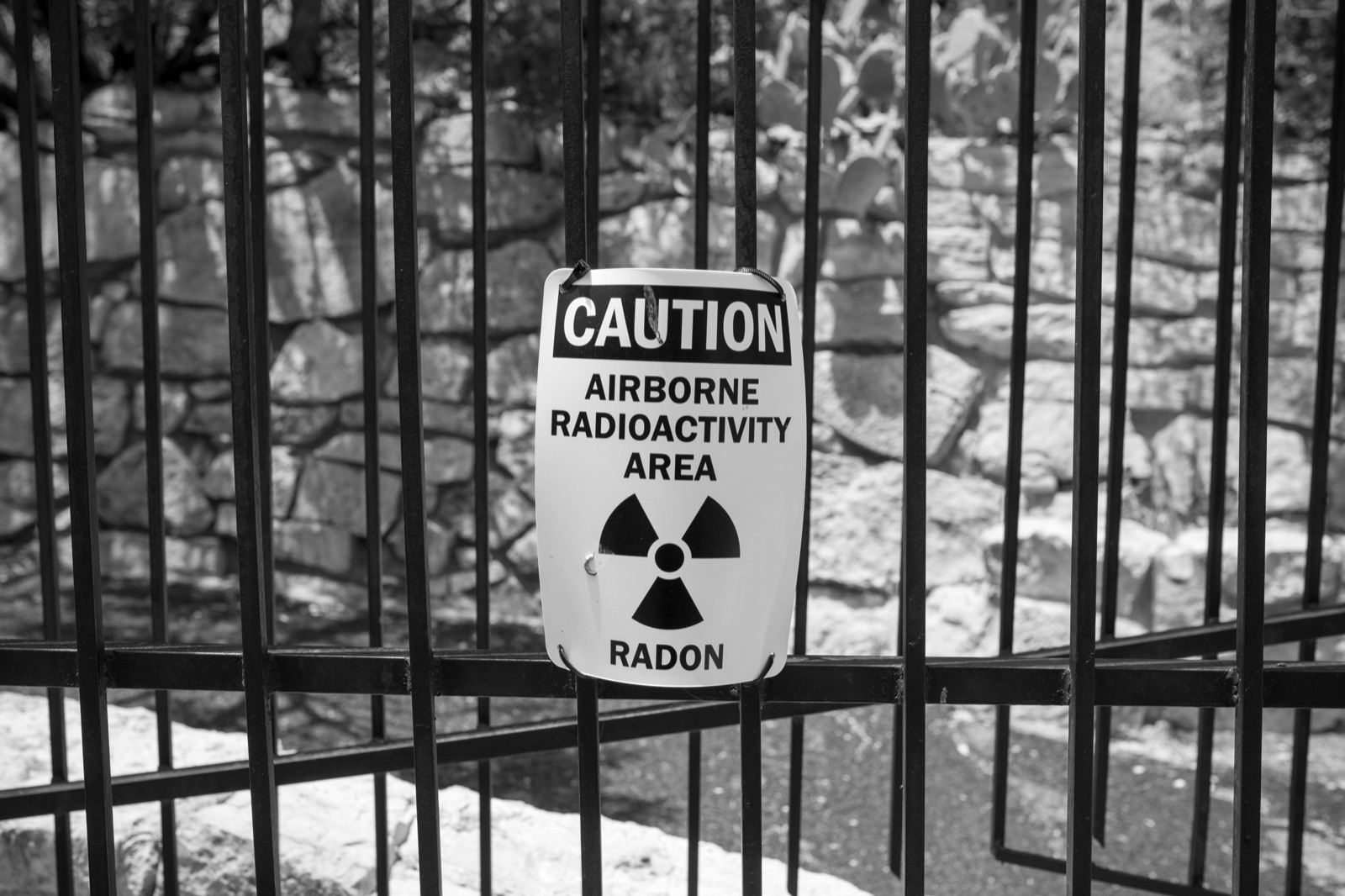
Radiological Source Search and Localization
An illustrative radiation-response scenario showing systematic survey, localization, measurement and appropriate characterization of a reported radiation alarm.
Read case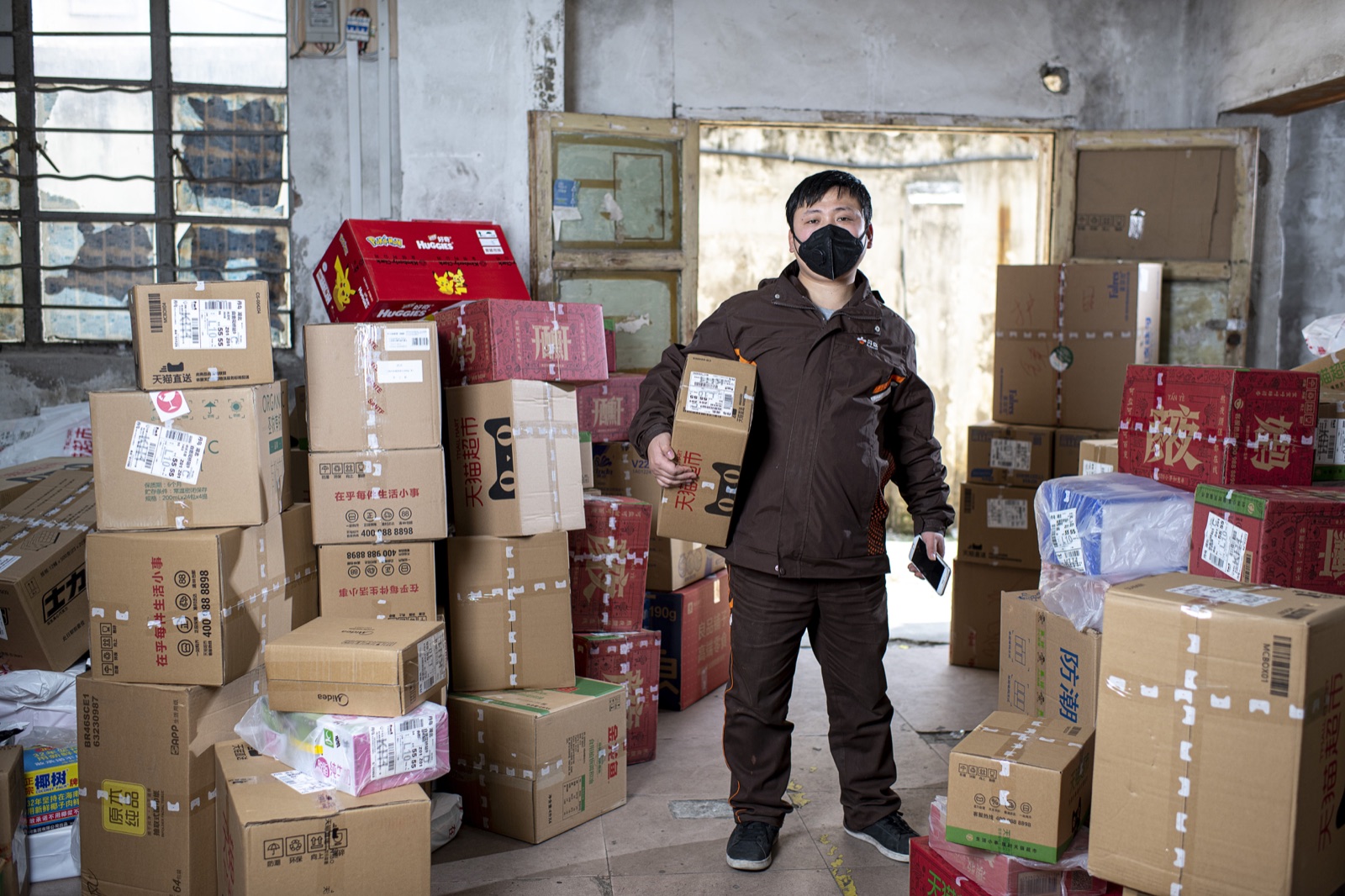
Suspicious Package and Mailroom CBRNE Screening
An illustrative security scenario for evaluating a suspicious package through isolation, carefully selected CBRNE screening technologies and controlled escalation.
Read case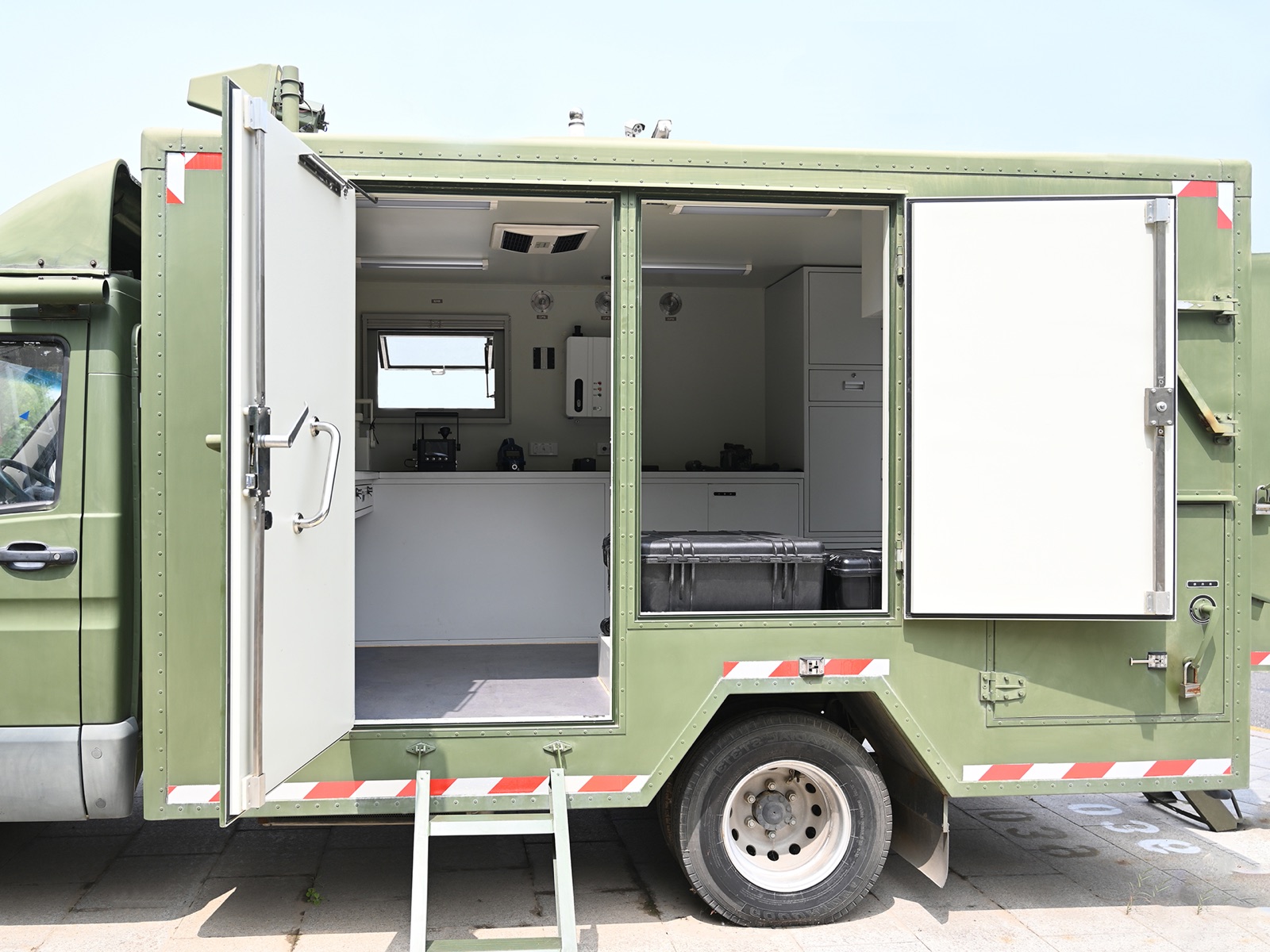
Mobile Laboratory Deployment for On-Site CBRN Analysis
An illustrative scenario for bringing selected analytical capability closer to a controlled incident area and shortening the information cycle between collection, analysis and operational decision.
Read case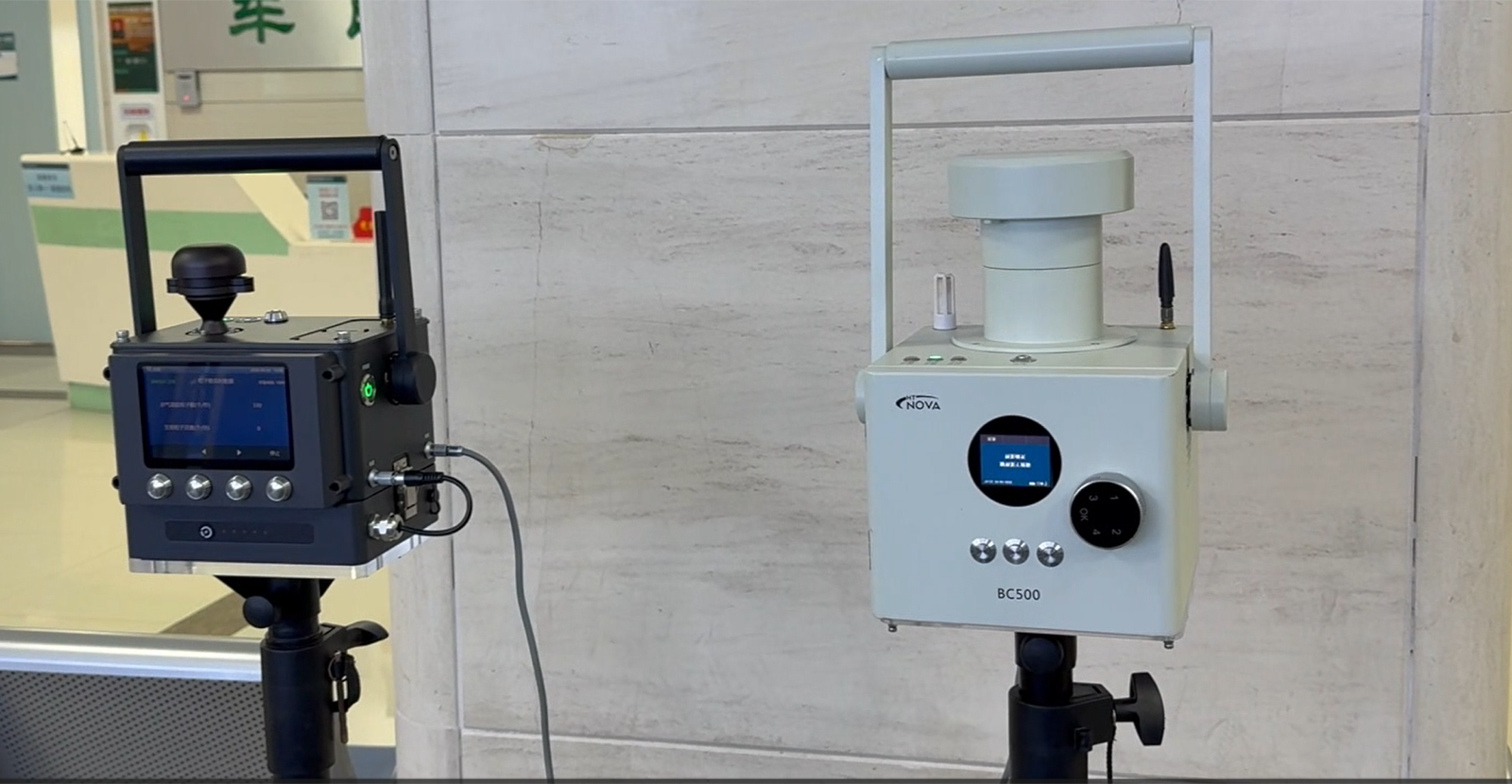
Airborne Biological Monitoring in a High-Risk Facility
An illustrative scenario for continuous bioaerosol monitoring that establishes a baseline, detects abnormal changes and supports targeted sampling for laboratory identification.
Read case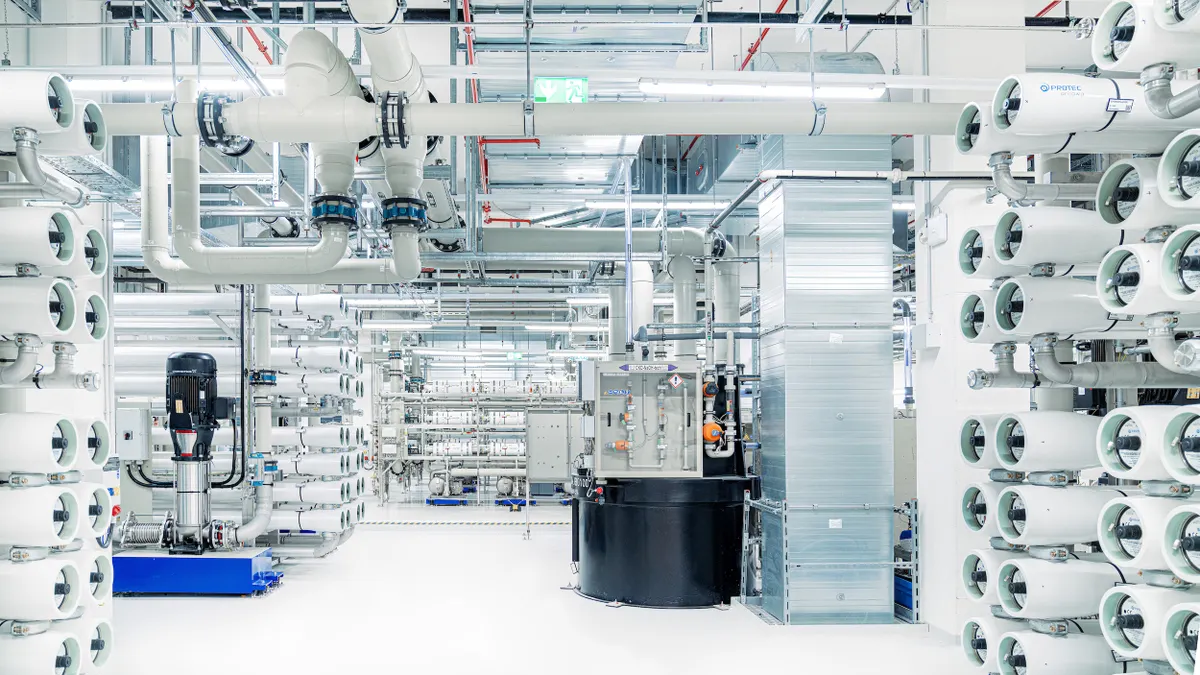
Advanced Manufacturing Facility VOC and Chemical Safety Monitoring
An illustrative scenario for combining fixed and portable monitoring around chemical storage, process equipment and other risk locations in advanced manufacturing.
Read case
Post-Incident Clearance and Decontamination Verification
An illustrative scenario for repeat measurements after containment, cleanup or decontamination, supporting responsible organizations as they assess whether more action is required.
Read case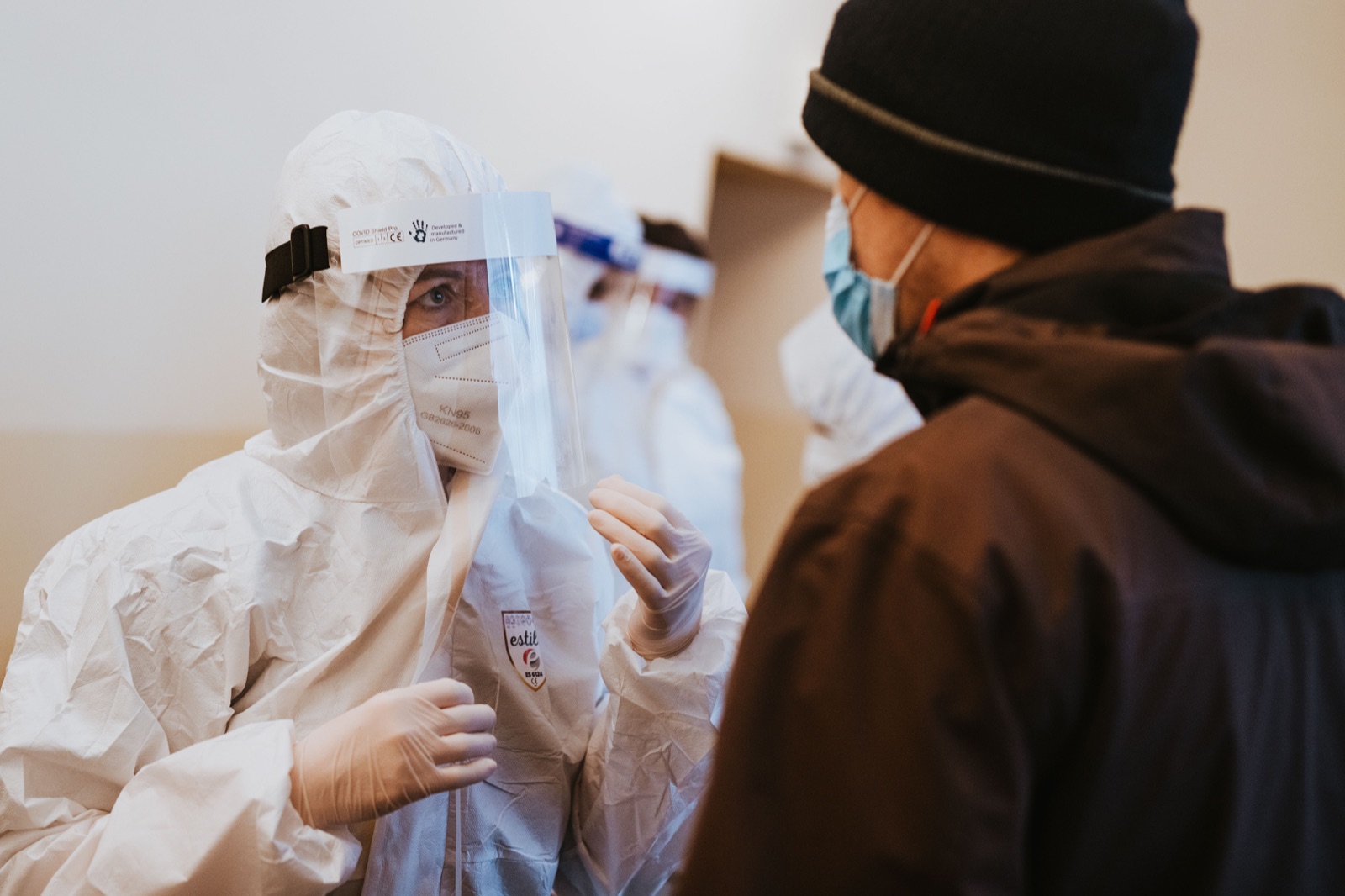
Personnel Health Risk Monitoring
A structured hospital assessment separates occupational radiation, airborne-particle and indoor-air questions so each risk is measured with the appropriate method.
Read case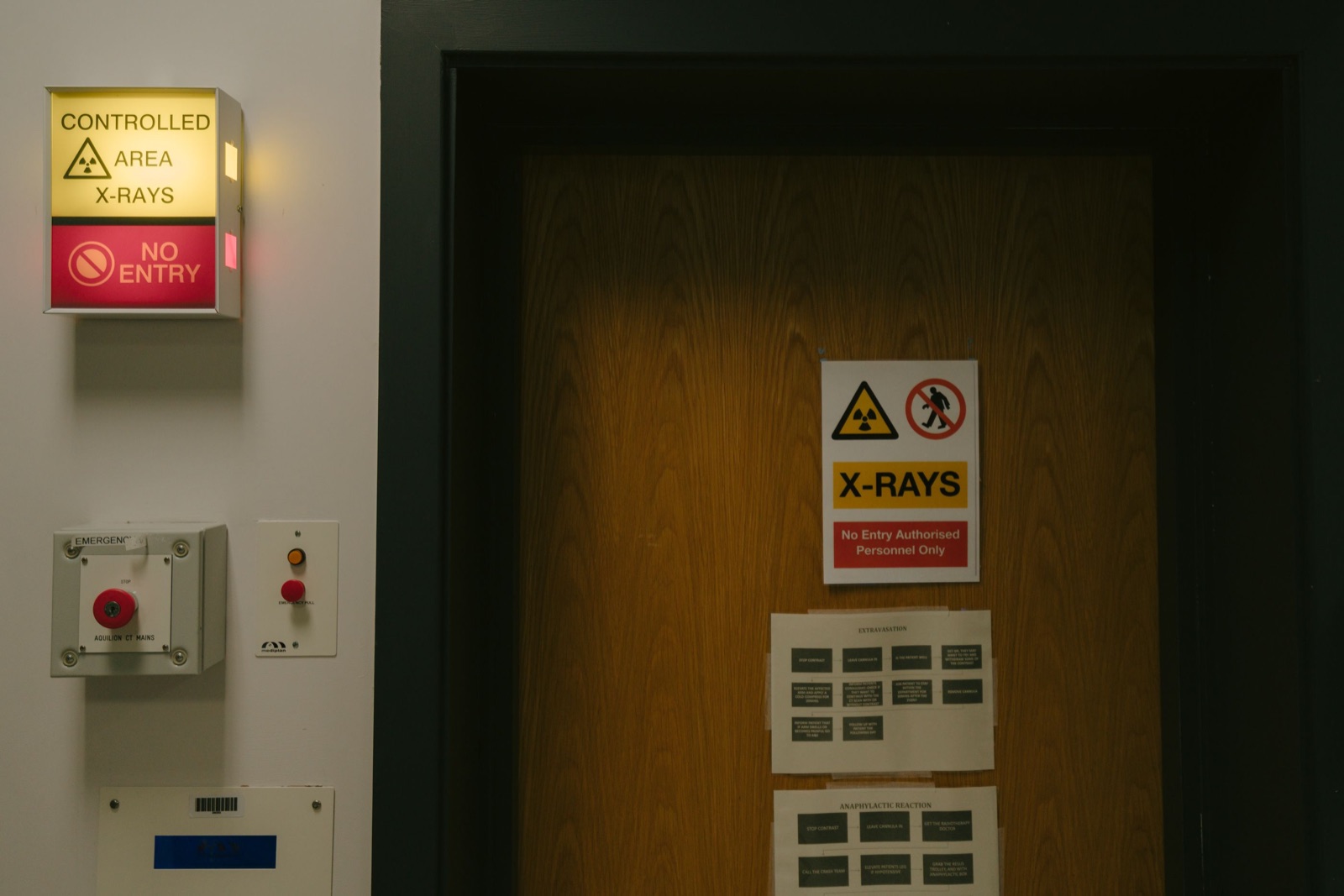
Long-Term Radiation Exposure Study on Materials and Electronic Components
Controlled radiation measurement supports long-duration studies of material and electronic-component performance under defined gamma exposure conditions.
Read case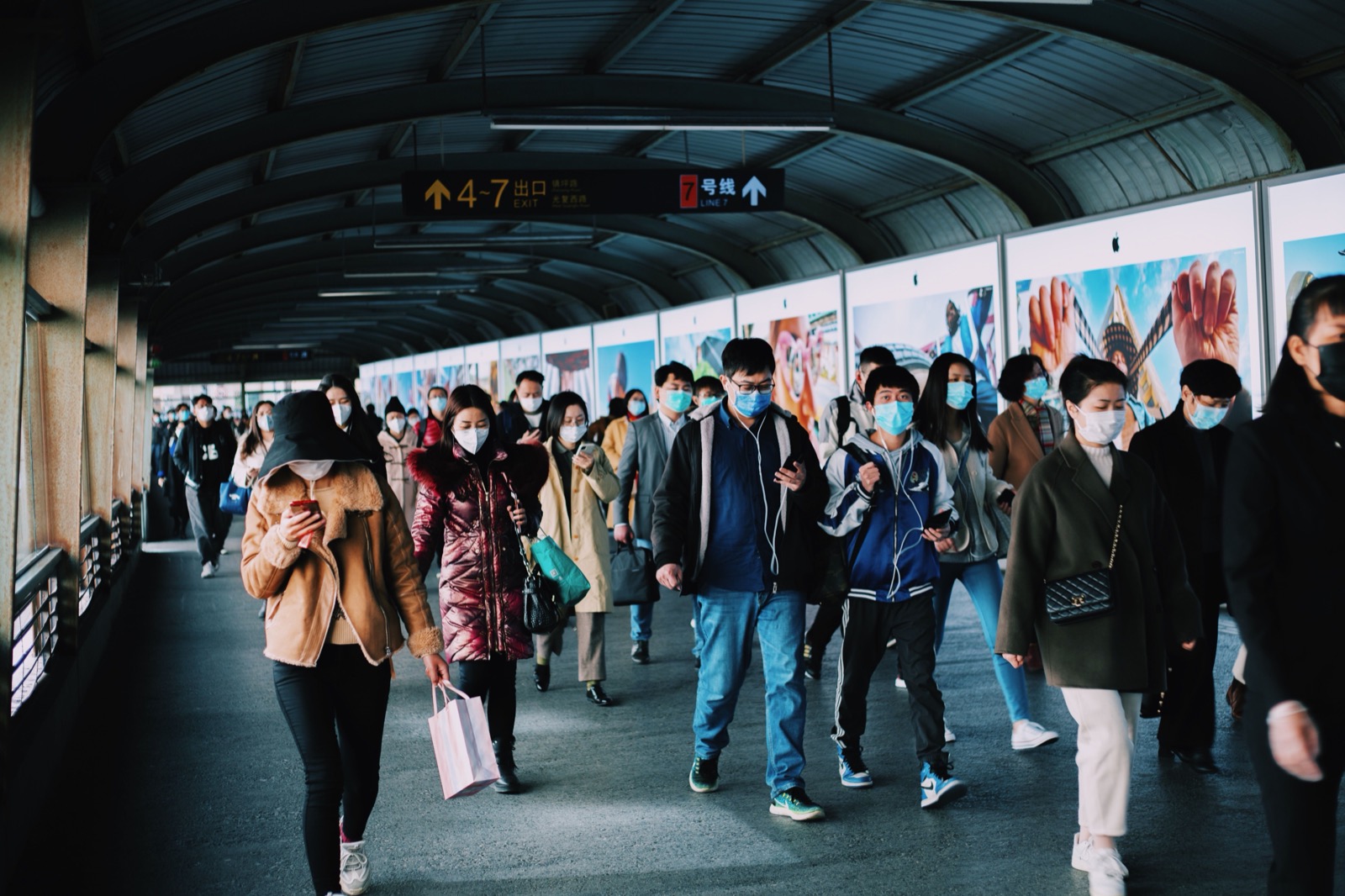
Bioaerosol Monitoring and Airborne Virus Transmission Research
Continuous bioaerosol trends, targeted sampling and laboratory methods support research into how airborne microbial material changes across environments.
Read case
Material Structure Analysis and Rapid Sample Identification
A method-led analytical workflow uses Raman, gas separation and ion-mobility techniques for different questions in rapid material research.
Read case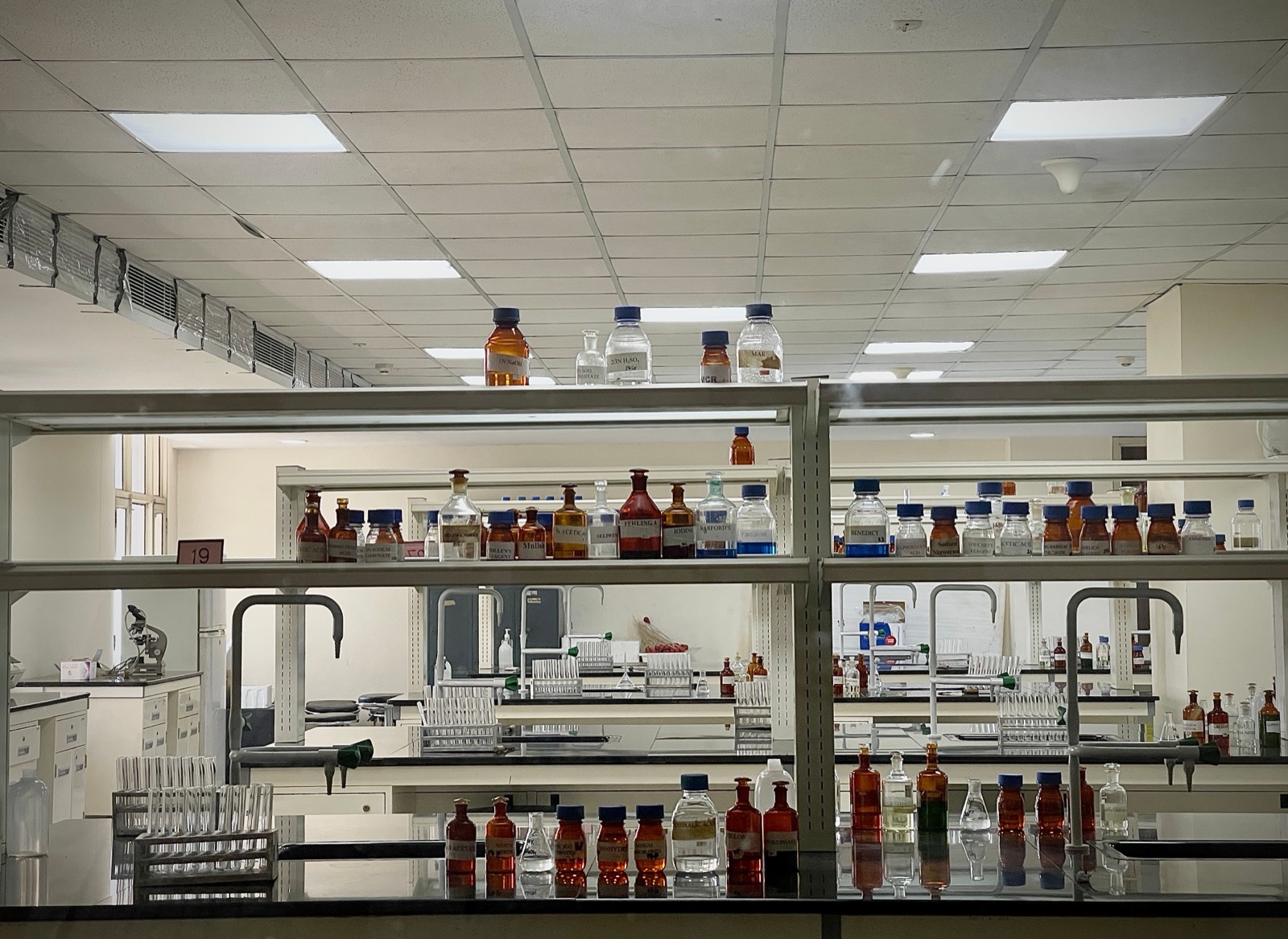
Laboratory Air Quality and VOC Monitoring System
A laboratory monitoring plan combines fixed environmental sensing, portable investigation and activity records to understand VOC and air-quality change.
Read case
Upgrade of On-Site Security Checks
A layered security upgrade adds risk-based CBRNE screening, mobile assessment and command reporting to an established venue-protection plan.
Read case
Protection of Important Locations
Protection of important locations combines site-specific risk assessment, layered sensing, trained response and sustained readiness across critical infrastructure and high-consequence venues.
Read case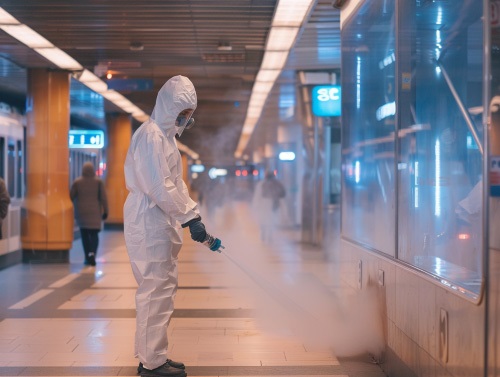
Real-Time Monitoring of Biological Airborne Aerosols
Continuous bioaerosol sensing establishes facility baselines, detects significant particle changes and triggers controlled sampling for laboratory identification.
Read case
Rapid On-Site Testing of Unknown Substances
A procedure-led unknown-substance response isolates the scene, screens the atmosphere and selects a material-identification method only when safe and appropriate.
Read case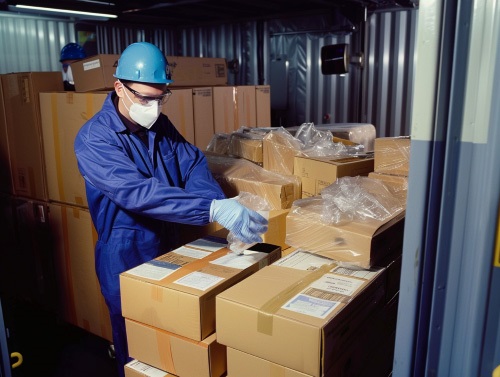
Customs Prohibited Goods Inspection
Layered customs secondary inspection applies material identification, trace screening and radiation assessment according to the initial indicator and legal procedure.
Read case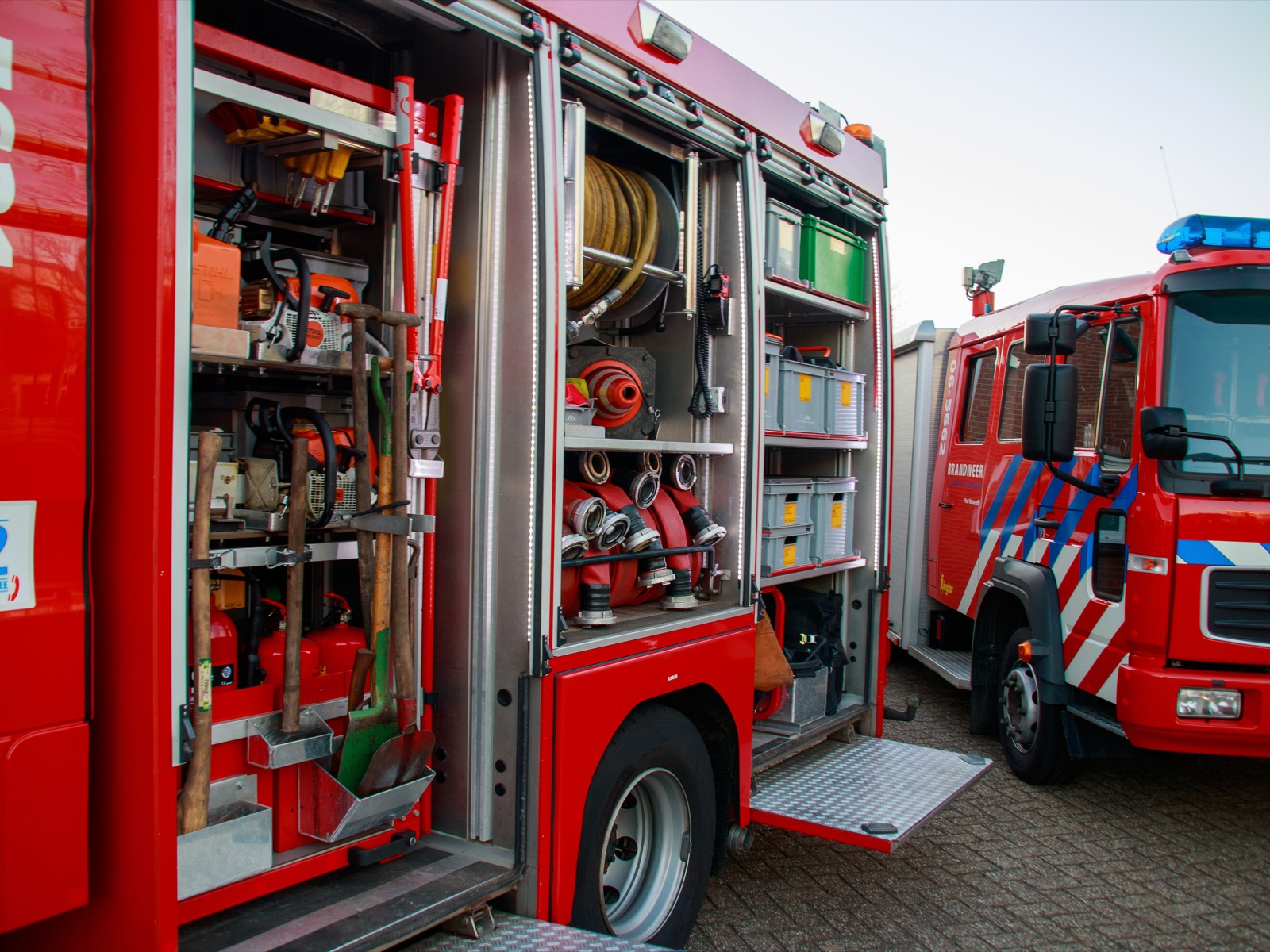
Fire Emergency Handheld Devices
Portable atmospheric monitoring supports firefighters and HAZMAT specialists when smoke, industrial chemicals or unknown materials complicate an emergency scene.
Read case
Vehicle Security Inspection
Vehicle secondary inspection combines primary imaging and access control with targeted radiological, trace or material assessment when an indicator requires follow-up.
Read case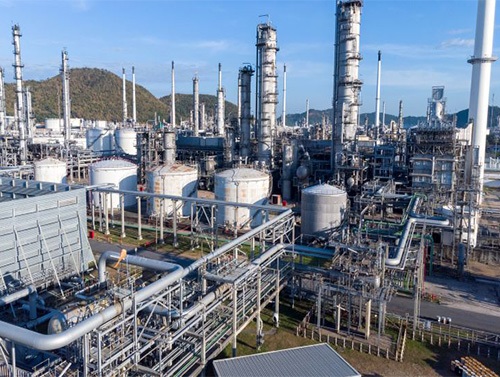
Industrial Gas Monitoring
Risk-based fixed and portable gas monitoring connects target-gas selection, sensor placement, alarms and maintenance to plant response procedures.
Read case
Law Enforcement
Specialist detection supports law-enforcement response to a suspicious substance after scene control, threat assessment and coordination with HAZMAT or EOD authorities.
Read case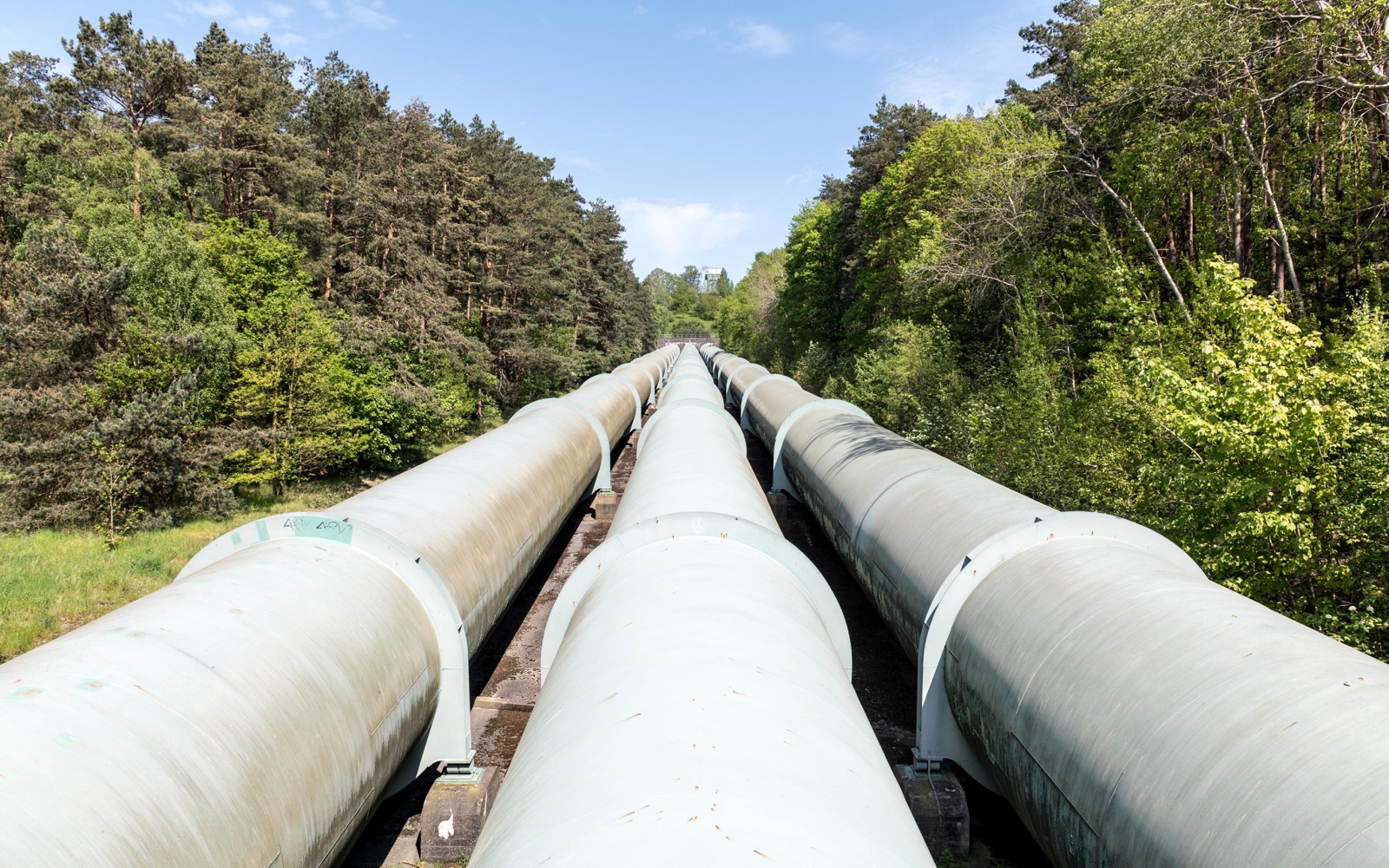
Chemical Industry Monitoring
Portable PID screening supports fugitive-VOC investigation around valves, terminals and process equipment when target compounds and response factors are understood.
Read case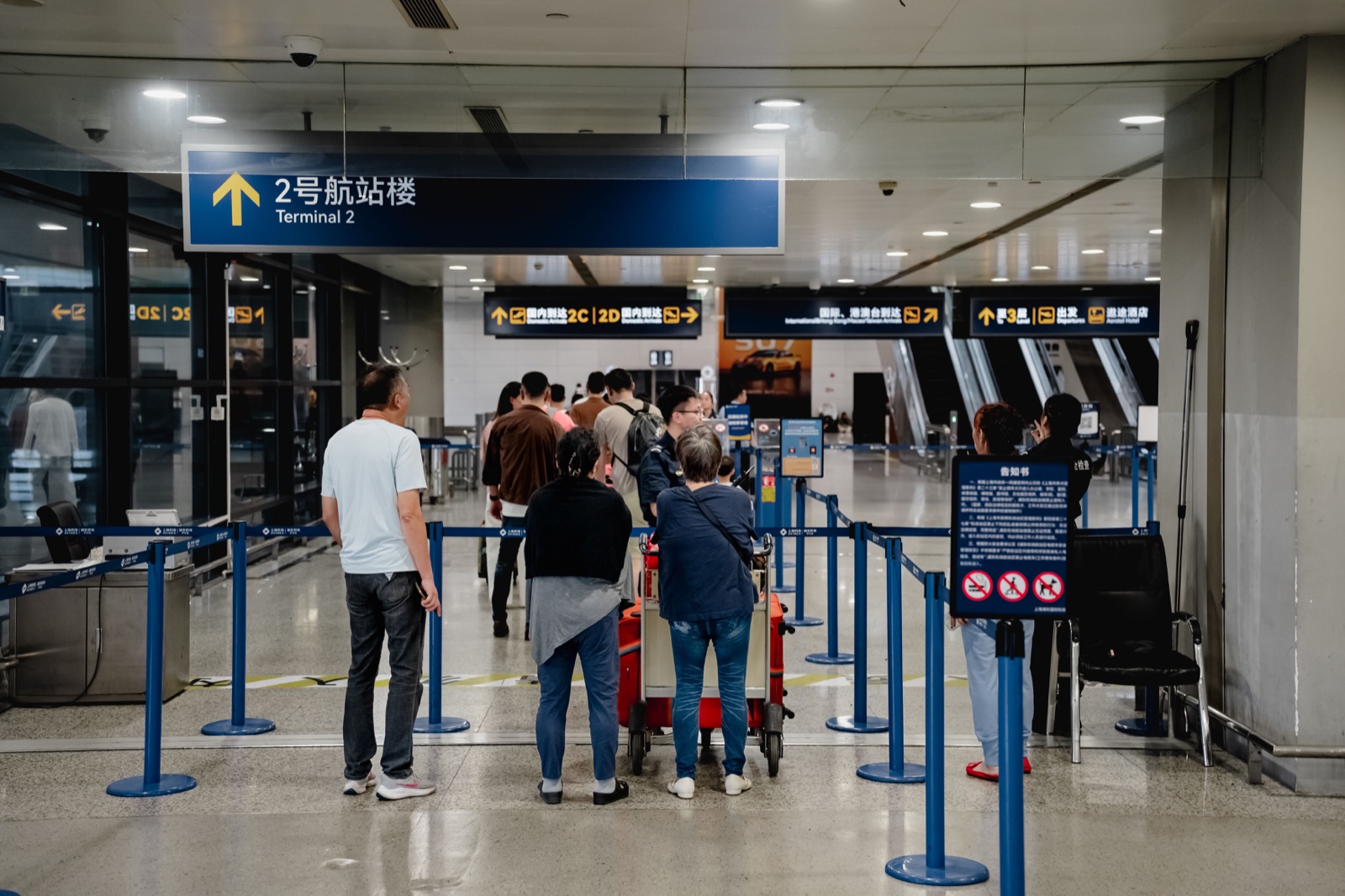
Public Area Biosecurity
Planned bioaerosol sampling in public transport supports environmental research when location, airflow, occupancy and laboratory analysis are treated as one study design.
Read case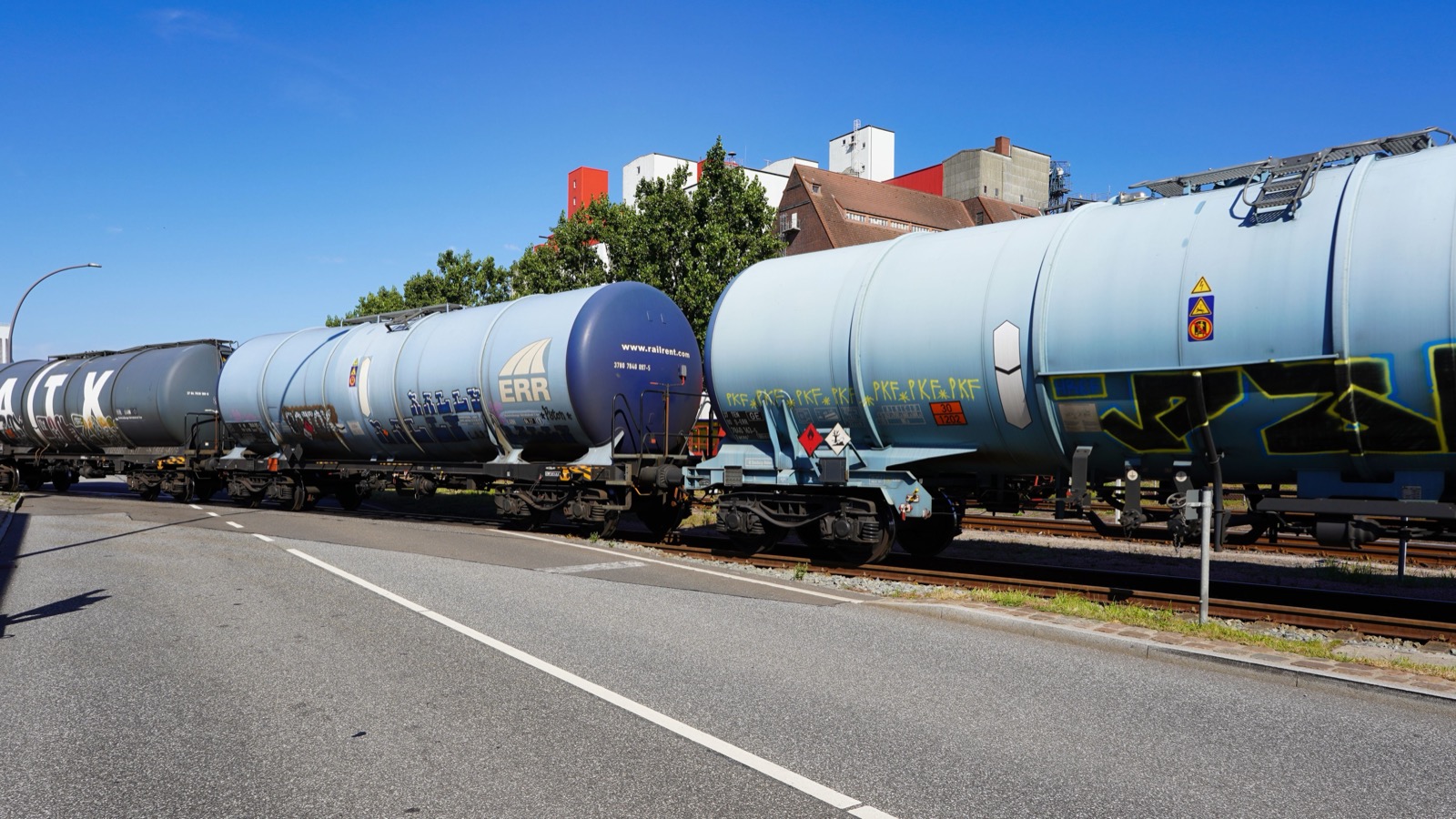
Explosives Transportation and Storage
Controlled dangerous-goods inspection uses documentation, vapor screening and trace sampling to investigate anomalies during explosive-material transport or storage.
Read case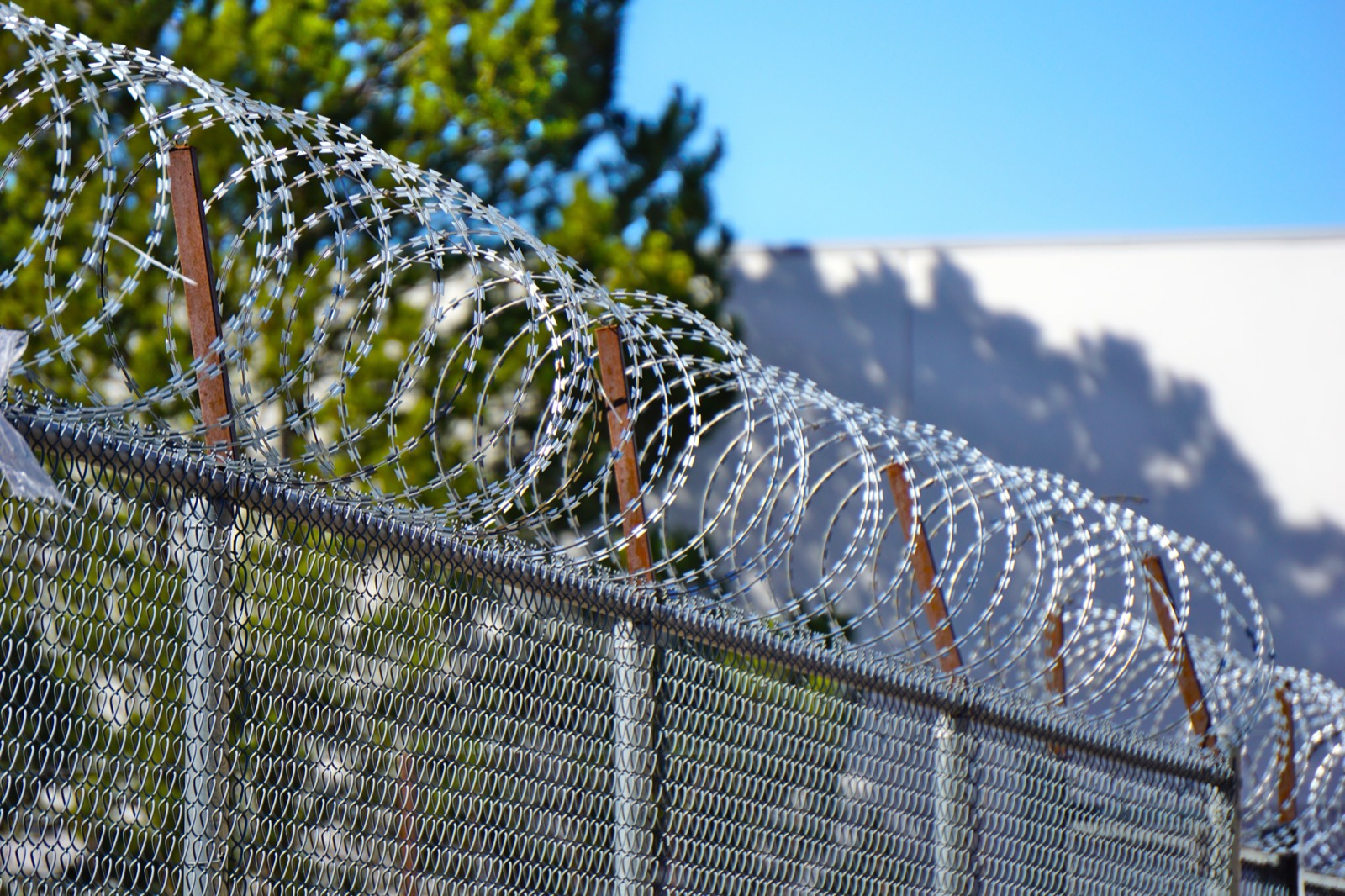
National Security Monitoring System
A national-security monitoring architecture combines fixed, mobile and unmanned sensing with baselines, alarm investigation and a shared operating picture.
Read case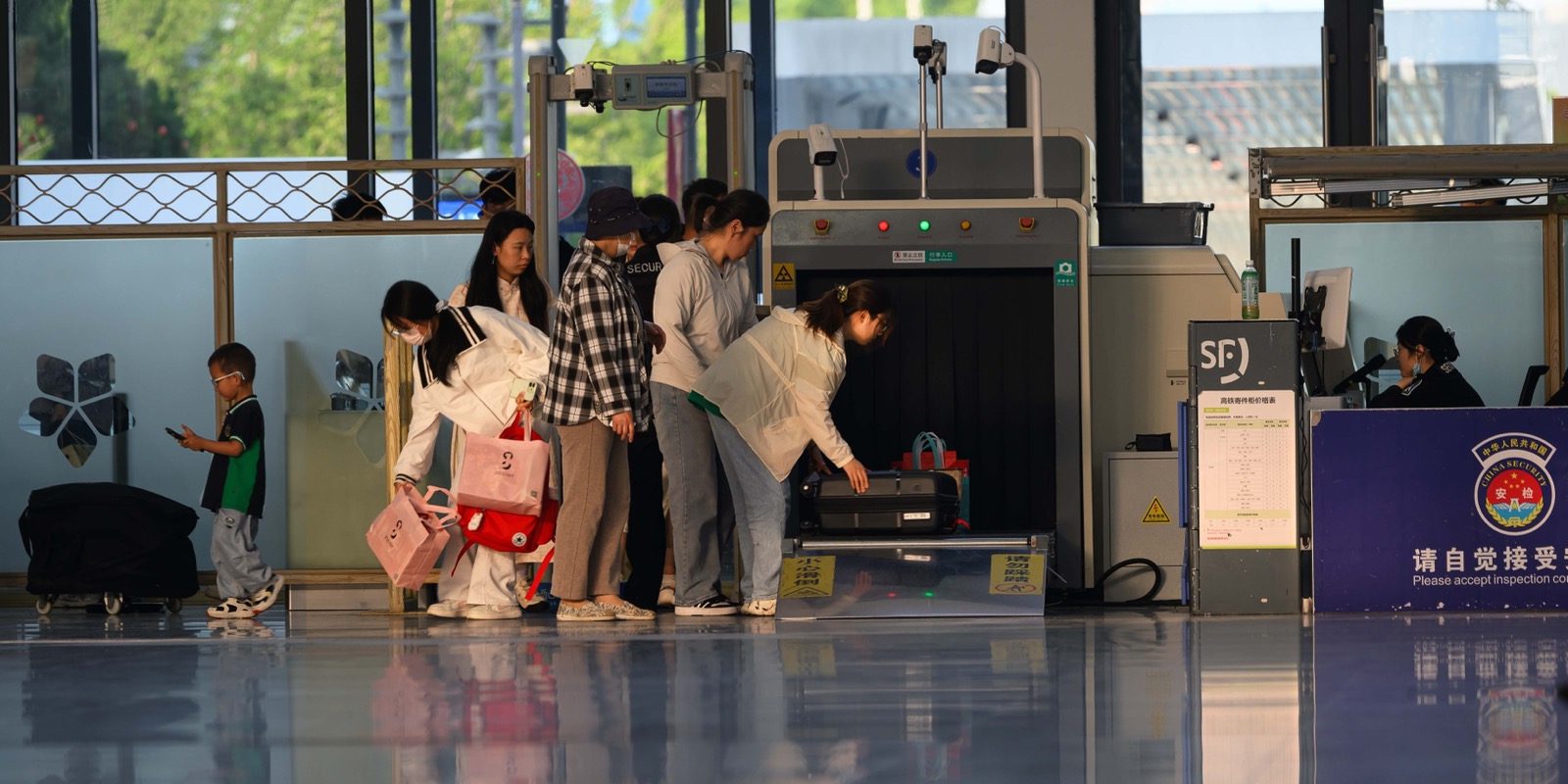
Baggage CBRNE Security Inspection
A suspicious-baggage workflow moves a defined primary-screening alarm into controlled secondary inspection using hazard-specific methods and specialist escalation.
Read case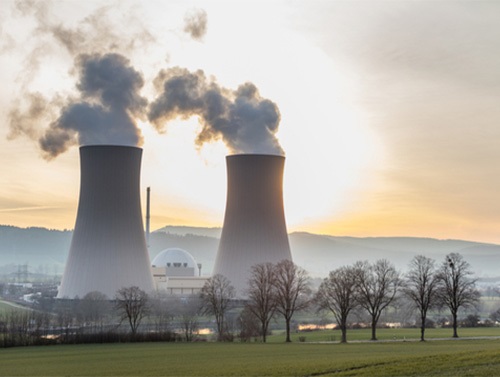
Nuclear Facility Safety
A nuclear-facility radiation programme separates continuous area monitoring, portable survey, contamination checks and spectroscopic follow-up.
Read case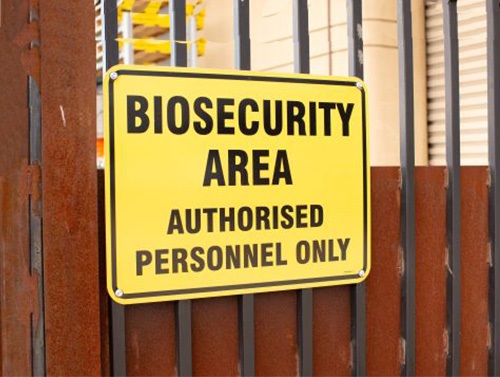
On-Site Sampling and Analysis of Suspicious Biological Materials
A suspicious-biological-material response protects the scene, documents the item and transfers controlled samples through a defined chain of custody.
Read case
Quality Control in Industrial Production Lines
At-line Raman verification supports production quality by checking compatible raw materials, intermediates or finished products against governed reference methods.
Read caseDiscuss your detection requirements.
Tell us about your environment, target substances and operational requirements. We’ll help map the right path.
Start a conversation