
Operational scenario

Suspicious Package and Mailroom CBRNE Screening

An illustrative security scenario for evaluating a suspicious package through isolation, carefully selected CBRNE screening technologies and controlled escalation.

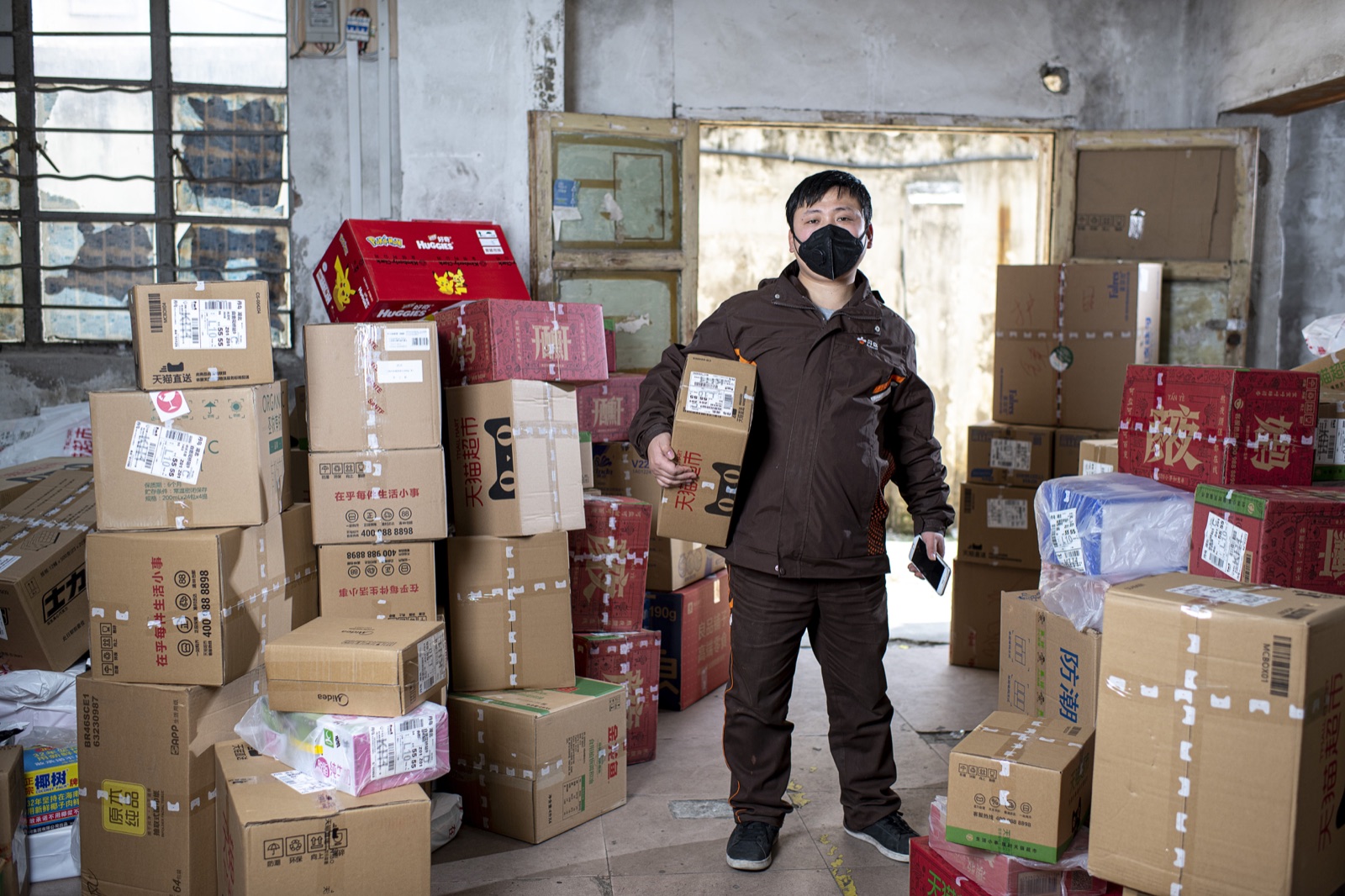
Isolated parcel inside a controlled mailroom screening perimeter
An isolated package assessed through a controlled, specialist-led screening sequence.
Operational context

A suspicious package at a government facility or mailroom can present more than one kind of concern. Until the material is better understood, responsible responders may need to consider explosive, chemical, radiological and biological possibilities while avoiding unnecessary handling.

This illustrative operating scenario shows how isolation and selected screening methods can provide information for a procedure-led response. When a field determination is insufficient, trained teams can arrange controlled sampling and further analysis rather than treating a preliminary reading as a final answer.

Operational challenge

One object, multiple possible hazards

A suspicious package should not be treated as though a single detector can resolve every possible hazard. The operating challenge is to gather useful information while preserving the object, limiting unnecessary handling and keeping the response within the relevant security procedures.

A layered screening plan helps teams choose appropriate technologies and identify when a specialist or laboratory process is needed.

Operating workflow

Controlled package-screening workflow

01

Report and isolate

The package and its immediate surroundings are managed according to the facility's security procedures.

02

Assess the context

Responders review available information without disturbing the item unnecessarily.

03

Select screening methods

Appropriate explosive, chemical, radiological or biological methods are selected for the task.

04

Collect observations

Readings are documented with the handling history and operating conditions in mind.

05

Escalate where needed

A preliminary field result can lead to specialist assessment, controlled sampling or laboratory examination.

06

Coordinate next action

The responsible organization determines any further security, investigation or response measures.

Technology role

Screening technologies in a controlled sequence

Trace-explosive methods, Raman identification, chemical detection, radiation instruments and biological-sampling tools address different questions. They are selected according to the object, available evidence, handling constraints and the procedure being followed.

The value is not a catalogue of devices. It is the ability to use complementary tools in a disciplined sequence and preserve a path to further analysis when the field evidence is incomplete.

Mission value

Multi-hazard screening capability

01

Explosive trace screening

Selected methods can support inspection of trace residues when procedures call for it.

02

Chemical and material assessment

Chemical sensing and Raman methods can provide complementary field information about selected materials.

03

Radiation awareness

Radiation instruments can contribute a measured view of radiological concerns around an item or location.

04

Biological sampling pathway

A suspected biological concern can be directed to controlled sampling and laboratory identification rather than automatic field attribution.

Technical boundaries

Technical boundaries

The package should not be handled merely to obtain a sensor reading. Facility procedures and explosive-ordnance or specialist authority take priority. Trace, chemical, radiological and biological methods are selected separately, and preliminary results do not by themselves clear the object or determine intent.

Talk to an expert

Discuss your detection requirements.

Tell us about your environment, target substances and operational requirements. We’ll help map the right path.

Start a conversation