
Deployment experience

Integrated CBRNE Security for a Major International Event

An illustrative operating scenario for layered CBRNE screening, monitoring and coordination at a major international event. HT-Nova equipment has supported detection operations associated with major events in China.

CBRNE monitoring team supporting a controlled major-event security operation
Layered CBRNE screening and monitoring support for a major public event.
Operational context

Major international events bring together multiple venues, dense visitor flows, VIP movements and large support teams. Their CBRNE security requirement is not a single detection task. It is a coordinated operating model that helps specialist teams screen, monitor, assess and communicate as the situation develops.

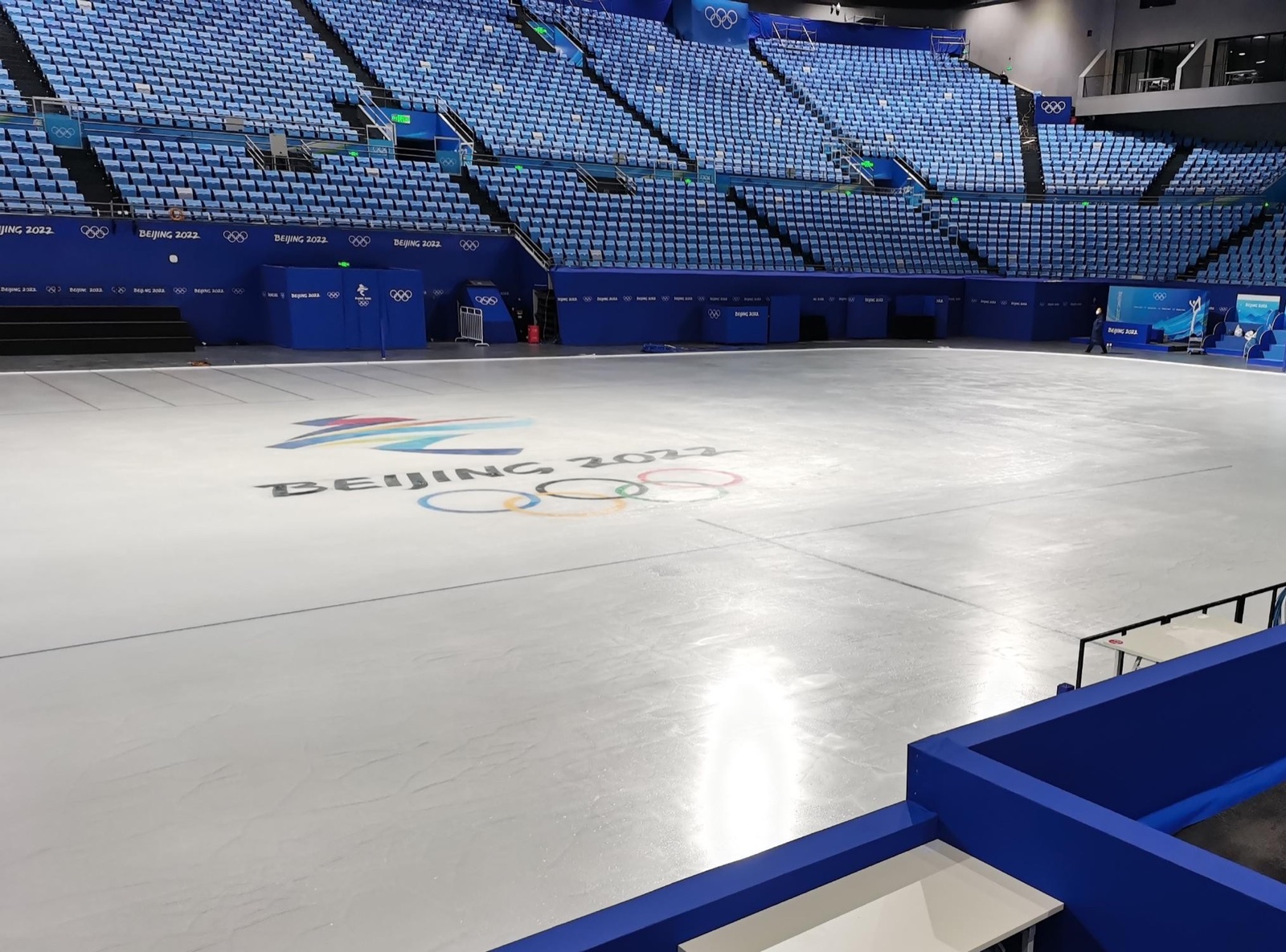
HT-Nova equipment has supported detection operations associated with the Beijing Olympic Games, Shanghai World Expo, BRICS Summit, China International Import Expo, Beijing Winter Olympics, Chengdu World University Games and Hangzhou Asian Games. This page is an illustrative scenario, not an account of a single deployment or a claim that HT-Nova was solely responsible for event security.

Operational challenge

The operational challenge

A major event has many access points, temporary infrastructure and different decision-makers working at the same time. A response team may need to distinguish a routine alarm from a situation that requires a different level of assessment, while protecting the continuity of the event.

That makes coverage, handover and information flow as important as the individual instrument. A layered plan gives teams a way to move from early observation to a proportionate, procedure-led response.

Operating workflow

A layered operating model

01

Pre-event survey

Teams review venues, access routes, operating zones and communications arrangements before the event, so equipment and responsibilities can be positioned deliberately.

02

Checkpoint screening

Portable screening tools support trained personnel at selected entry points and inspection locations, alongside the event's established security procedures.

03

Continuous venue monitoring

Temporary or mobile monitoring can provide additional environmental awareness in priority areas and help teams notice changes that merit investigation.

04

Assessment and identification

When a suspicious material or reading is reported, specialist teams can use complementary detection and identification methods to gather evidence for the next procedural decision.

05

Command coordination

Field observations, instrument readings and team status can be brought together to support a shared operating picture for the responsible command structure.

Technology role

Where HT-Nova technologies fit

A major-event configuration can combine portable instruments, temporary monitoring, material-identification technologies and information-management tools. The appropriate mix depends on the venue, threat assessment, local procedures and the authorities responsible for the mission.

HT-Nova provides technologies across chemical, explosive, radiological and biological monitoring applications. These technologies contribute measurement and identification capability within a broader operational system; they do not replace the procedures, professional judgement or authority that govern a response.

Mission value

Capability created by integration

01

Chemical detection

Portable and fixed sensing options can support screening and environmental assessment where chemical hazards are part of the operational concern.

02

Explosive detection

Trace and field-screening technologies can support inspection teams handling suspicious objects or selected access-control tasks.

03

Raman identification

Raman-based methods can support non-destructive material assessment when a procedure calls for further examination of a suspicious item.

04

Radiation awareness

Radiation survey and measurement instruments can contribute situational awareness and help teams characterize readings according to their procedures.

05

Integrated monitoring

Connected sensing and information platforms can help bring distributed observations into a clearer operating picture for coordinated teams.

Technical boundaries

Technical boundaries

The deployment combined specialist roles, defined patrol and screening tasks, communications and escalation procedures. No single instrument carried responsibility for every hazard or decision. Field indications were interpreted within the event command structure, and unresolved findings remained subject to the responsible specialist or laboratory pathway.

Talk to an expert

Discuss your detection requirements.

Tell us about your environment, target substances and operational requirements. We’ll help map the right path.

Start a conversation