
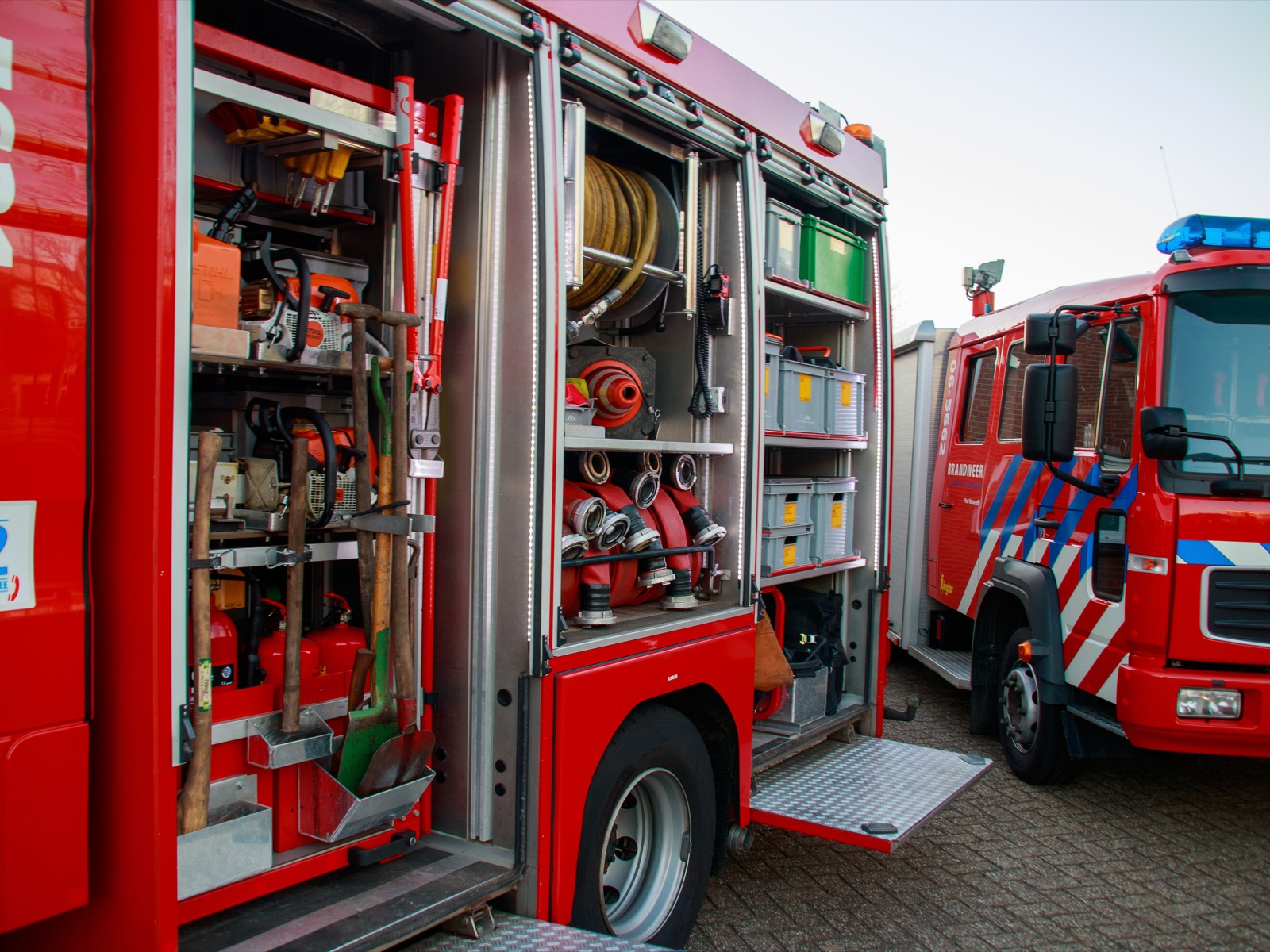
Operational scenario

Fire Emergency Handheld Devices

Portable atmospheric monitoring supports firefighters and HAZMAT specialists when smoke, industrial chemicals or unknown materials complicate an emergency scene.

Fire Emergency Handheld Devices
Portable atmospheric measurement supporting fire and HAZMAT response.
Operational context

Fire conditions can create oxygen deficiency, flammable atmospheres, toxic combustion products and releases from stored materials. The incident commander needs measurements that support zoning, respiratory protection and specialist entry decisions without distracting crews from life safety.

HT-Nova portable gas and selected radiation or material-identification instruments can support a HAZMAT branch when site intelligence indicates those hazards may be present.

Operational challenge

Operational challenge

Heat, smoke, water, rapidly changing ventilation and sensor cross-sensitivity can affect readings. Radiological or material-identification tasks are not routine substitutes for atmospheric monitoring and should be added only when the incident information justifies them.

Operating workflow

Operating workflow

01

Approach safely

Use site intelligence, wind and ventilation information to define access controls and measurement positions.

02

Screen the atmosphere

Apply target-appropriate gas sensing to identify oxygen, flammable, toxic or VOC concerns around the scene.

03

Characterize material

Where procedures permit, use an appropriate identification method for liquids, solids, residues or collected samples.

04

Confirm and communicate

Combine readings with method limitations and transmit actionable information to the responsible team.

05

Monitor the response

Repeat measurements during containment, cleanup and re-entry decisions using the same documented plan.

Technology role

Technology role

Multi-gas and PID instruments address compatible atmospheric hazards; portable radiation instruments investigate a defined radiological concern; Raman or IMS may support controlled follow-up on accessible material after scene conditions permit.

Technical boundaries

Technical boundaries

Instrument use remains inside the incident command system, PPE and entry-control procedure. A gas detector cannot characterize every combustion product, and a field identification result does not itself establish that the structure is safe for re-entry.

Mission value

Mission value

01

Hazard-led measurement

The detected risk determines which instrument and operator enter the workflow.

02

Zoning support

Atmospheric trends inform controlled boundaries and protective actions.

03

Repeatable recheck

Teams can compare later measurements with the initial survey under documented conditions.

Talk to an expert

Discuss your detection requirements.

Tell us about your environment, target substances and operational requirements. We’ll help map the right path.

Start a conversation