
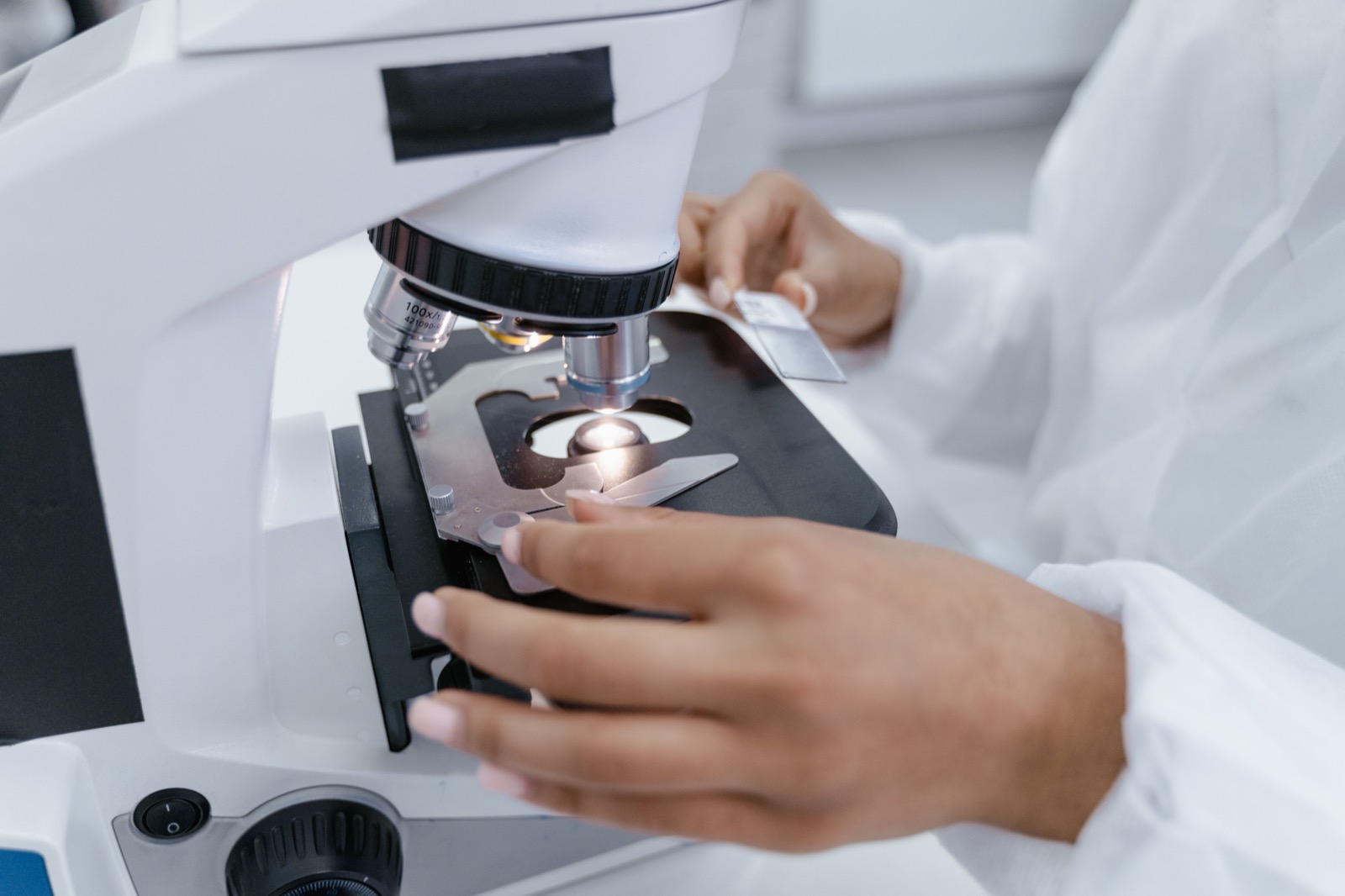
Technical application

Material Structure Analysis and Rapid Sample Identification

A method-led analytical workflow uses Raman, gas separation and ion-mobility techniques for different questions in rapid material research.

Material Structure Analysis and Rapid Sample Identification
Complementary analytical methods supporting rapid material characterization.
Operational context

New-material programmes often need rapid identity checks, comparison with reference spectra and more selective follow-up when mixtures or trace constituents are involved. No single field method provides every structural, compositional and quantitative answer.

HT-Nova Raman, gas-chromatography and IMS capabilities can be configured as complementary stages, with each method assigned to compatible samples and a defined research decision.

Operational challenge

Operational challenge

Sample phase, fluorescence, mixtures, concentration, library coverage and required detection limit determine which method is suitable. Results become misleading when separation, detection and identification are described as interchangeable.

Operating workflow

Operating workflow

01

Define the question

Specify the measurand, sample population, operating range and decision the study must support.

02

Control the method

Document sampling geometry, calibration, blanks, reference materials and environmental conditions.

03

Acquire the data

Use repeatable instrument settings and preserve raw data, metadata and sample identity.

04

Validate

Compare results with reference or confirmatory methods and investigate uncertainty and interference.

05

Report responsibly

State the result, method limitations and conditions under which the conclusion remains valid.

Technology role

Technology role

Raman supports rapid molecular fingerprinting of compatible solids and liquids. Gas chromatography separates volatile components and requires an appropriate detector, while IMS supports fast ion-mobility screening for selected compounds. Reference methods remain important for validation.

Technical boundaries

Technical boundaries

The workflow should publish its sample preparation, detector configuration, reference library, calibration and confirmation rules. It supports faster research decisions but does not replace every centralized analytical method.

Mission value

Mission value

01

Method fit

Each analytical technique is assigned to the sample and decision it can support.

02

Faster triage

Rapid fingerprinting identifies which samples need deeper analysis.

03

Reference-backed

Field results remain connected to libraries, standards and confirmatory methods.

Talk to an expert

Discuss your detection requirements.

Tell us about your environment, target substances and operational requirements. We’ll help map the right path.

Start a conversation