
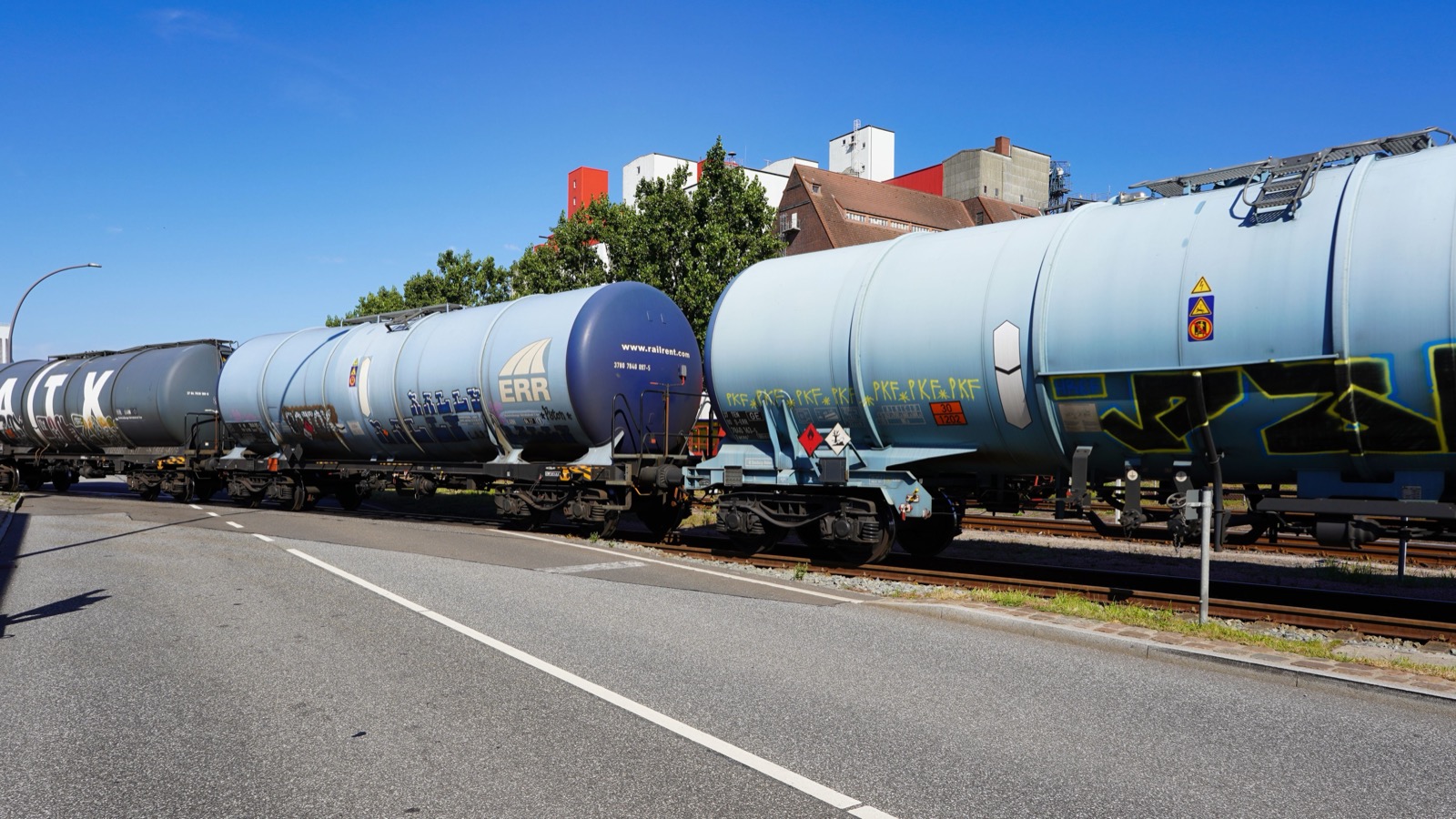
Operational scenario

Explosives Transportation and Storage

Controlled dangerous-goods inspection uses documentation, vapor screening and trace sampling to investigate anomalies during explosive-material transport or storage.

Explosives Transportation and Storage
Controlled trace and vapor screening during hazardous-goods inspection.
Operational context

Facilities handling explosive materials or precursor chemicals depend first on inventory control, compatible storage, access management and transport procedures. Detection supports investigation when packaging, documentation, odor, residue or another indicator is abnormal.

HT-Nova gas, IMS and fluorescence trace capabilities can support defined screening tasks in a controlled area with trained personnel.

Operational challenge

Operational challenge

Explosives differ widely in vapor pressure and trace behaviour, while warehouse chemicals can generate interfering vapors. The inspection plan must distinguish explosive trace detection from generic dangerous-goods or VOC screening.

Operating workflow

Operating workflow

01

Recognize and isolate

Move the item, person or vehicle into the appropriate controlled process without unnecessary handling.

02

Select the method

Choose radiation, trace, vapor or material-identification tools according to the indicator and operating procedure.

03

Conduct secondary screening

Use trained operators, controlled sampling and method-specific checks rather than a universal detector.

04

Escalate

Refer unresolved or hazardous findings to the responsible specialist authority and preserve scene information.

05

Record the decision

Document alarms, measurements, samples and disposition to support traceability and process improvement.

Technology role

Technology role

Vapor sensing addresses compatible volatile substances; wipe or particulate collection supports selected trace analysis; Raman may identify an accessible compatible material. Results are interpreted against storage records and known process materials.

Technical boundaries

Technical boundaries

Suspected explosive devices or unsafe packages remain the responsibility of EOD specialists and should not be moved or opened for routine analysis. Field screening does not replace transport compliance, inventory control or confirmatory analysis.

Mission value

Mission value

01

Procedure-first inspection

Detection follows inventory, packaging and safety checks.

02

Separated methods

Vapor, trace and material-identification results retain distinct meanings.

03

Safe escalation

Unresolved findings move to the appropriate safety or EOD authority.

Talk to an expert

Discuss your detection requirements.

Tell us about your environment, target substances and operational requirements. We’ll help map the right path.

Start a conversation