
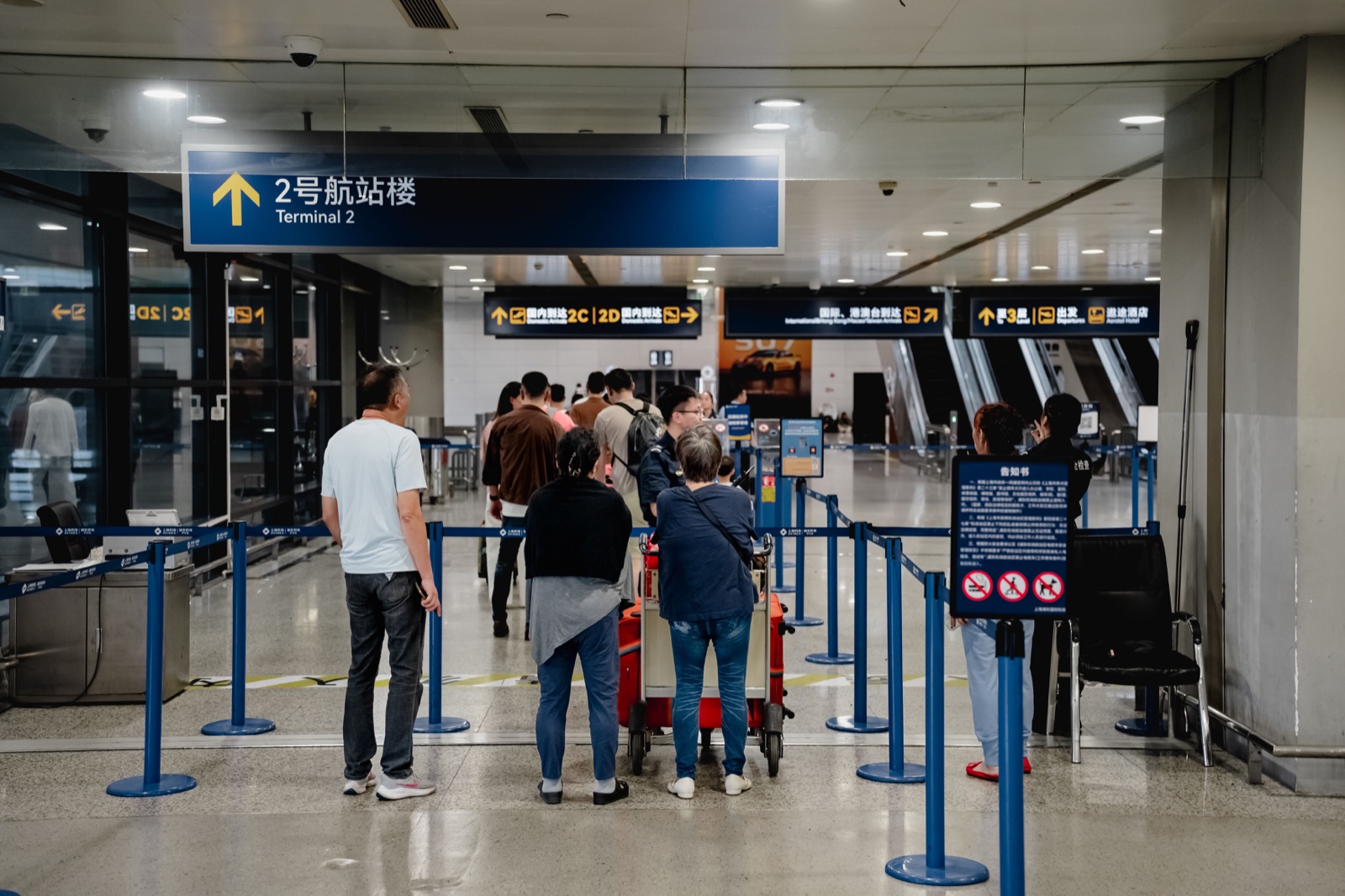
Technical application

Public Area Biosecurity

Planned bioaerosol sampling in public transport supports environmental research when location, airflow, occupancy and laboratory analysis are treated as one study design.

Public Area Biosecurity
Bioaerosol sampling supporting environmental surveillance in public transport.
Operational context

Transit carriages and stations are dynamic environments with changing passenger density, ventilation, door cycles and outdoor-air influence. A surveillance study needs representative locations and sampling periods rather than isolated measurements.

HT-Nova bioaerosol sampling and monitoring can support research into environmental trends and provide material for qualified laboratory characterization.

Operational challenge

Operational challenge

Collection efficiency and particle survival vary with the sampler, target organism and environmental conditions. Detecting biological material does not establish transmission risk or disease occurrence without additional evidence.

Operating workflow

Operating workflow

01

Define the baseline

Characterize normal particle behaviour for the location, occupancy pattern, ventilation state and season.

02

Monitor

Use continuous sensing to identify a significant change in biological-particle characteristics, not to claim a pathogen identity.

03

Collect

Trigger targeted sampling with controlled collection media, location records and contamination precautions.

04

Analyse

Transfer samples to an appropriate laboratory workflow for organism-specific or molecular identification.

05

Interpret

Combine sensor trends, environmental context and laboratory evidence before escalating or closing the event.

Technology role

Technology role

Continuous particle or fluorescence monitoring helps characterize temporal patterns; controlled samplers collect material at defined flow and duration; laboratory methods determine what biological material is present within their validated scope.

Technical boundaries

Technical boundaries

This is environmental surveillance, not passenger diagnosis or automatic pathogen warning. Study conclusions must state the sampling design, analytical method, uncertainty and limits on generalization.

Mission value

Mission value

01

Representative design

Sampling reflects ventilation, occupancy and route conditions.

02

Linked analysis

Laboratory findings remain connected to precise sampling metadata.

03

Responsible interpretation

Results describe environmental evidence without overstating health conclusions.

Talk to an expert

Discuss your detection requirements.

Tell us about your environment, target substances and operational requirements. We’ll help map the right path.

Start a conversation