01Hazmat Suits
View 01
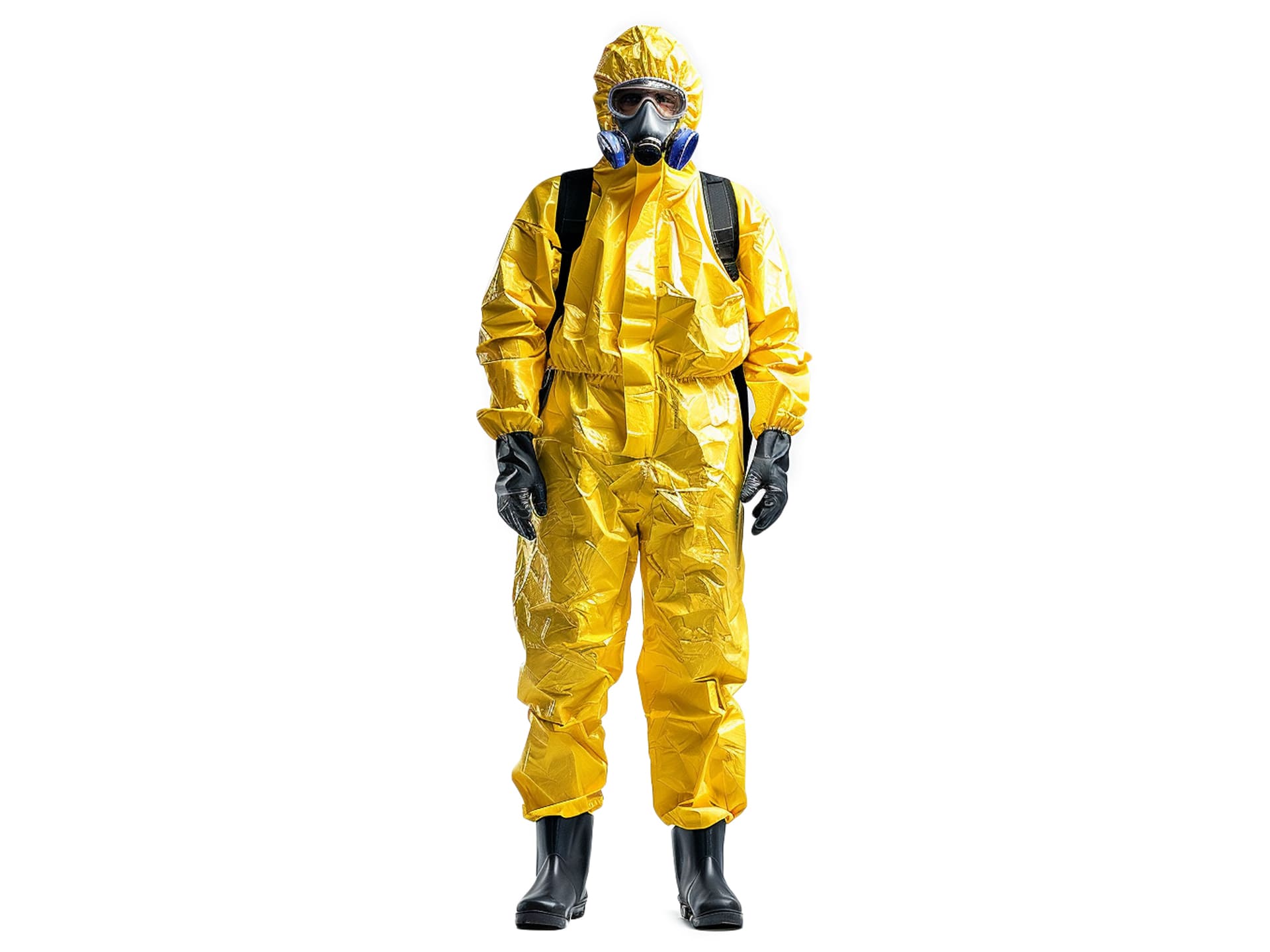
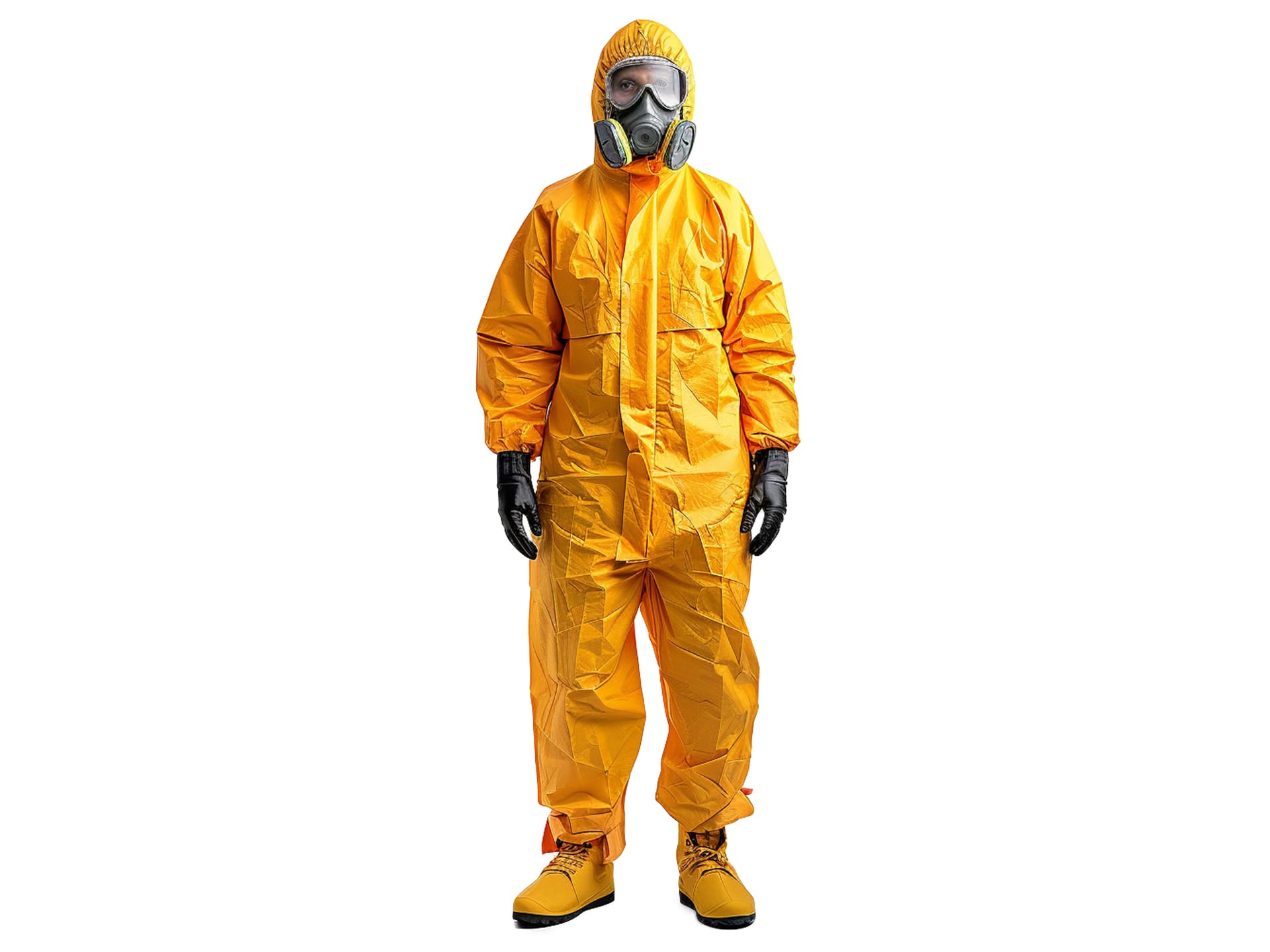
HT-Nova supplies protective suits in a range of types and protection levels, selected according to the hazard being worked against. The range covers chemical, biological and radiation protection, as well as comprehensive suits for environments presenting more than one of these hazards at once.
View 01
View 02
Made from chemically resistant materials like neoprene, nitrile rubber, and polyurethane, capable of withstanding liquid, gaseous, or solid chemicals.
Designed for full-body coverage with tightly sealed seams to prevent chemical penetration.
Suitable for long-term or repeated use, maintaining functionality in harsh environments.
Materials provide efficient filtration and barrier against bacteria, viruses, and other microorganisms, commonly using materials like polypropylene and polyethylene fibers.
Offers protection while being breathable, increasing wearer comfort.
Designed for easy donning and doffing, facilitating quick changes and reducing cross-contamination.
Made from heavy metal fibers or coated materials like lead rubber and lead-coated fabrics, effectively shielding against radioactive particles and radiation.
High material strength, resistant to punctures and tears, providing long-term protection.
Due to material properties, the suits are heavy, impacting comfort but offering significant protection.
Combines chemical, biological, and radiation protection, suitable for complex and multiple hazard environments.
Flexible design to adapt to various hazardous environments, providing comprehensive protection.
Typically features a multi-layer structure, with each layer targeting different types of hazards, enhancing overall protective effectiveness.
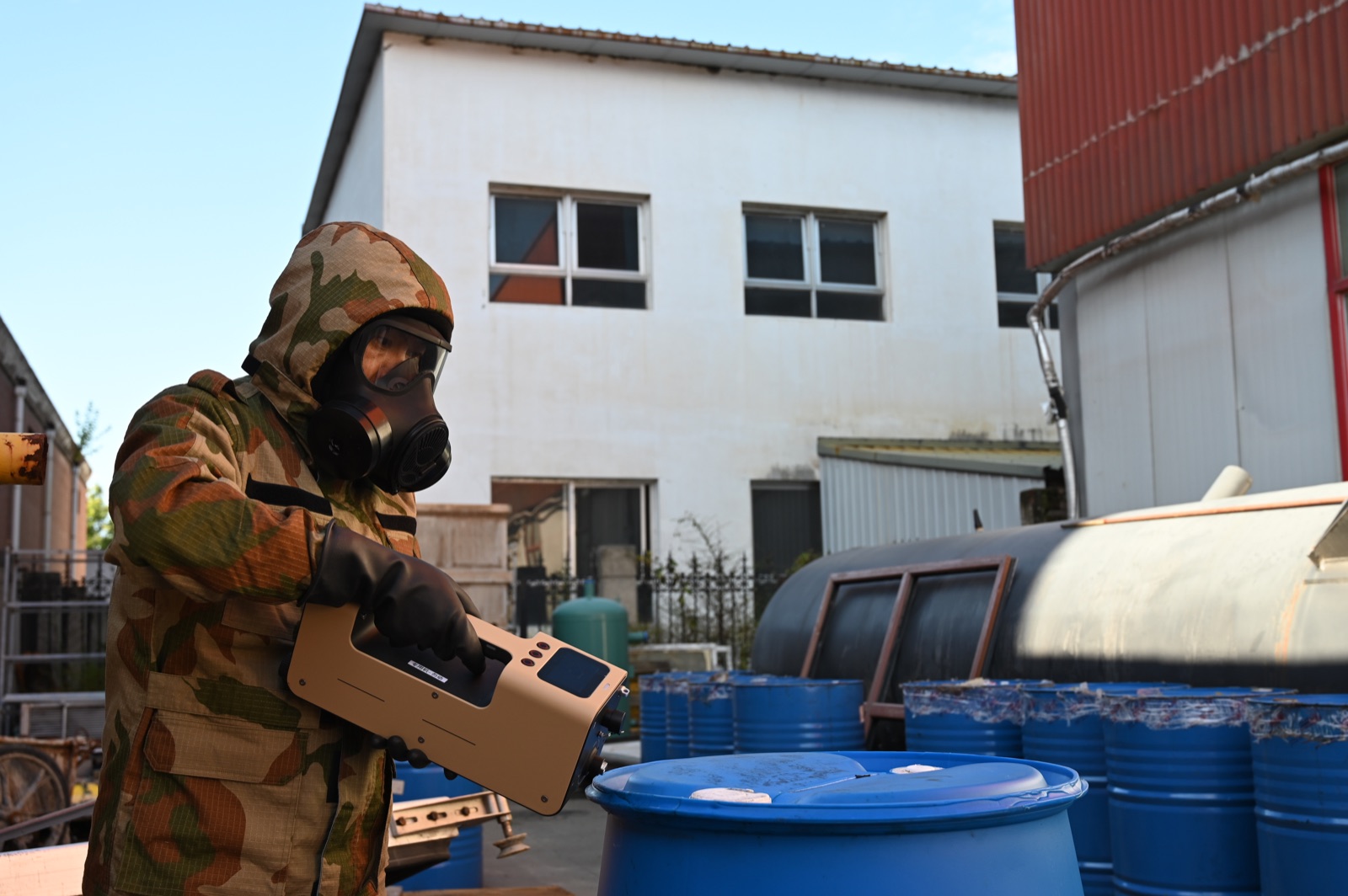
An illustrative response scenario showing how perimeter monitoring, complementary field instruments and disciplined sampling can support the assessment of an unknown chemical release.
↗︎
An illustrative scenario for repeat measurements after containment, cleanup or decontamination, supporting responsible organizations as they assess whether more action is required.
↗︎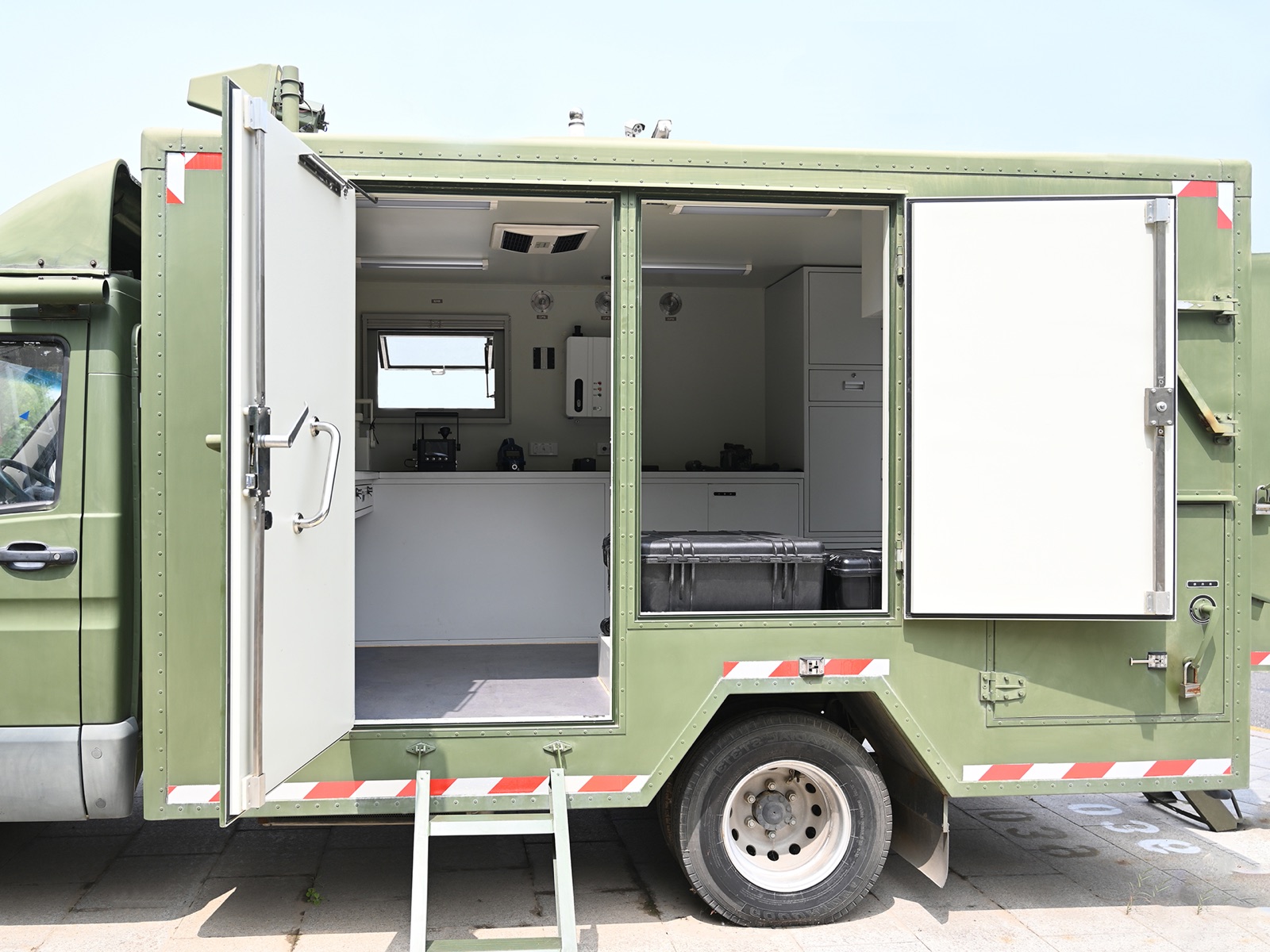
An illustrative scenario for bringing selected analytical capability closer to a controlled incident area and shortening the information cycle between collection, analysis and operational decision.
↗︎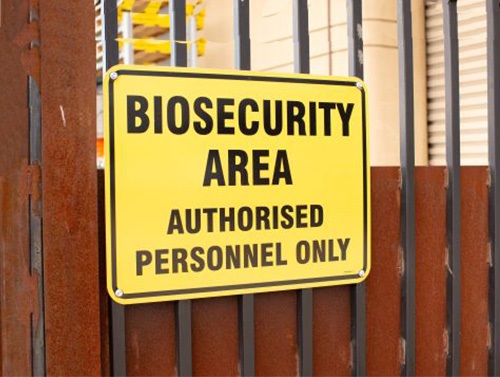
A suspicious-biological-material response protects the scene, documents the item and transfers controlled samples through a defined chain of custody.
↗︎Tell us about your environment, target substances and operational requirements. We’ll help map the right path.
Start a conversation