01MN808
View 01
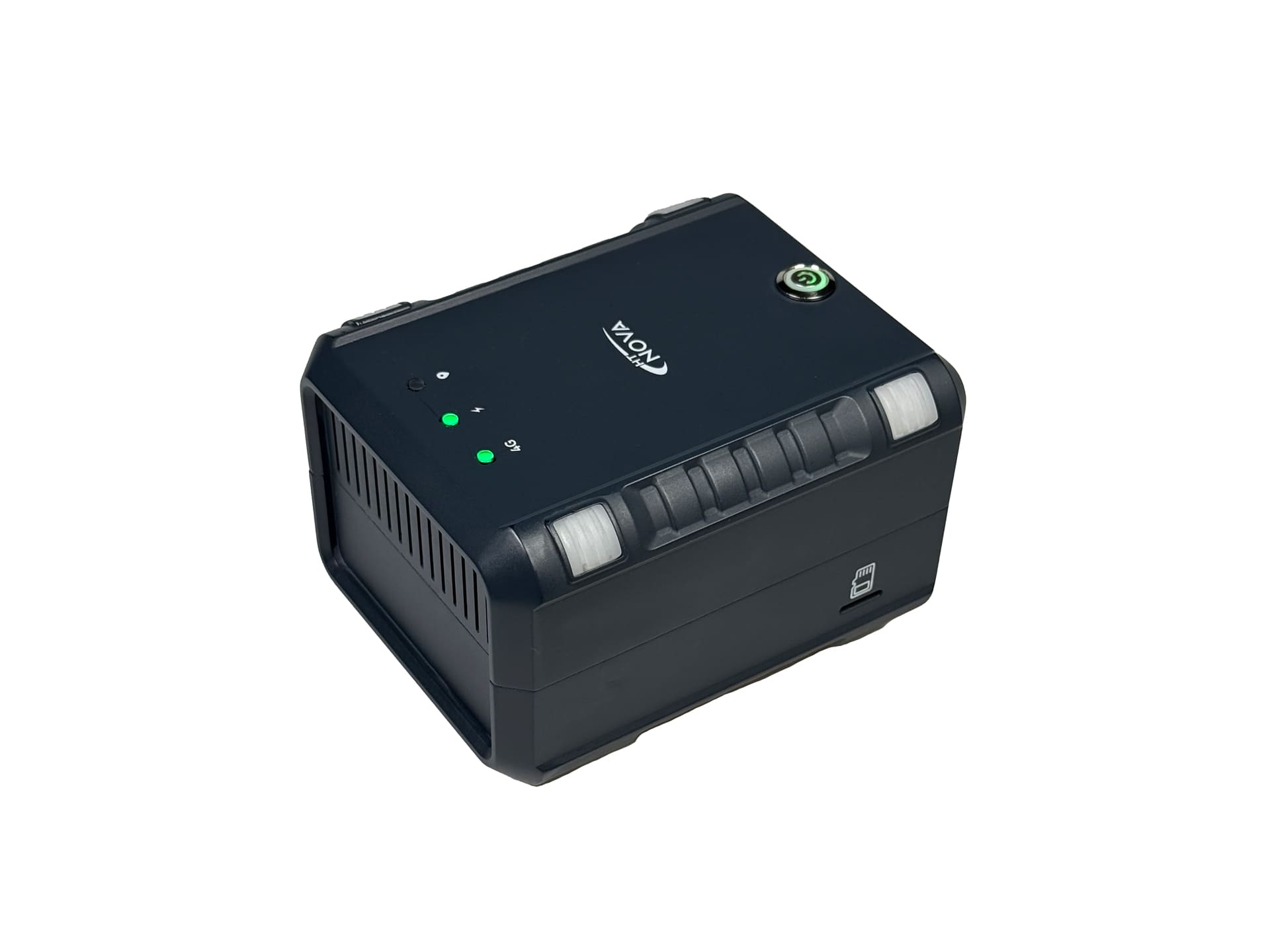
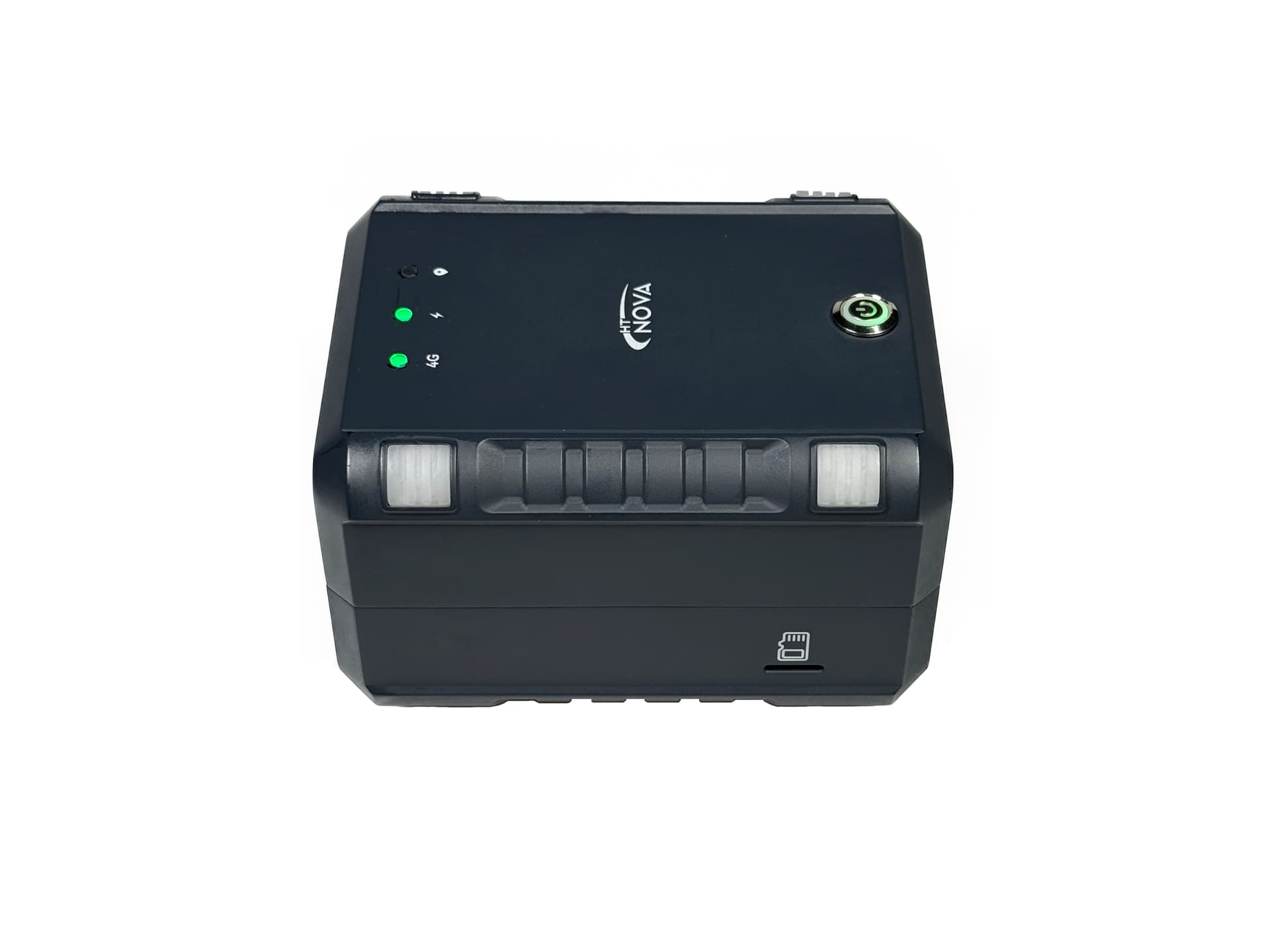
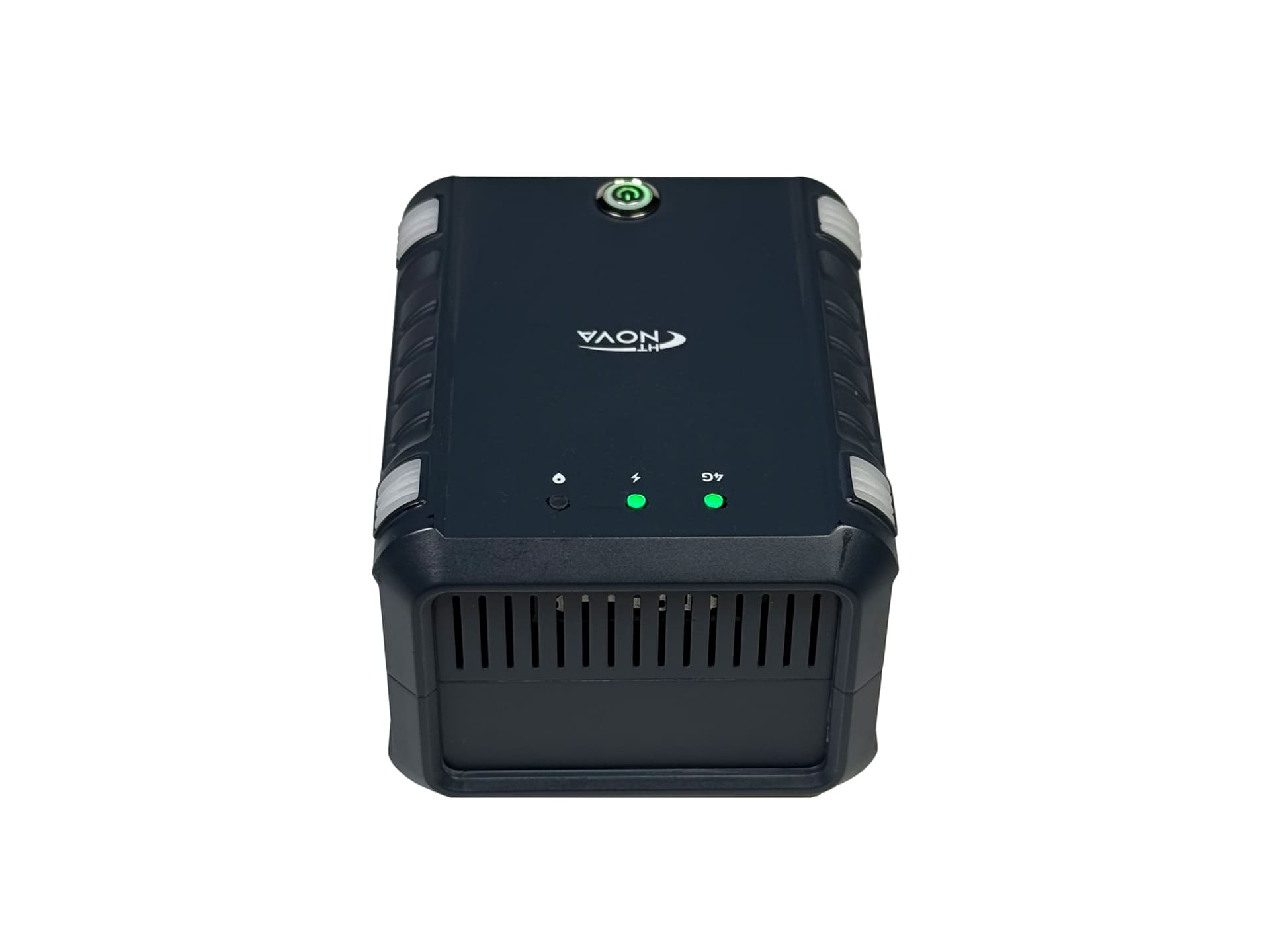
MN808 is an airborne monitoring module for nuclear contamination and toxic or flammable gases. Its modular design detects up to eight gases simultaneously from freely selectable, hot-swappable sensors, and built-in 4G and Beidou positioning allow it to be managed from a platform without distance limits.
MN808 is made to go where a person should not, carried by an unmanned or mobile platform into hazardous areas for real-time inspection. Waterproof and explosion-proof construction lets it work in conditions that would rule out a handheld instrument.
Sensor selection is genuinely open: photoionization, electrochemical, catalytic combustion, semiconductor and gamma-radiation detectors can be combined, and sensors are true plug-and-play and hot-swappable, so a module can be reconfigured between sorties without downtime. Between them the module covers flammable gases, industrial toxic gases, military chemical agents and nuclear radiation.
Because 4G transmission is unlimited by distance and Beidou fixes each reading to a position, results reach back-end software for real-time viewing on PC and mobile while the platform is still airborne. Multiple devices can be networked and managed together, and readings are reported in ppm, ppb, mg/m³, %Vol or %LEL with automatic zero-tracking.
View 01
View 02
View 03
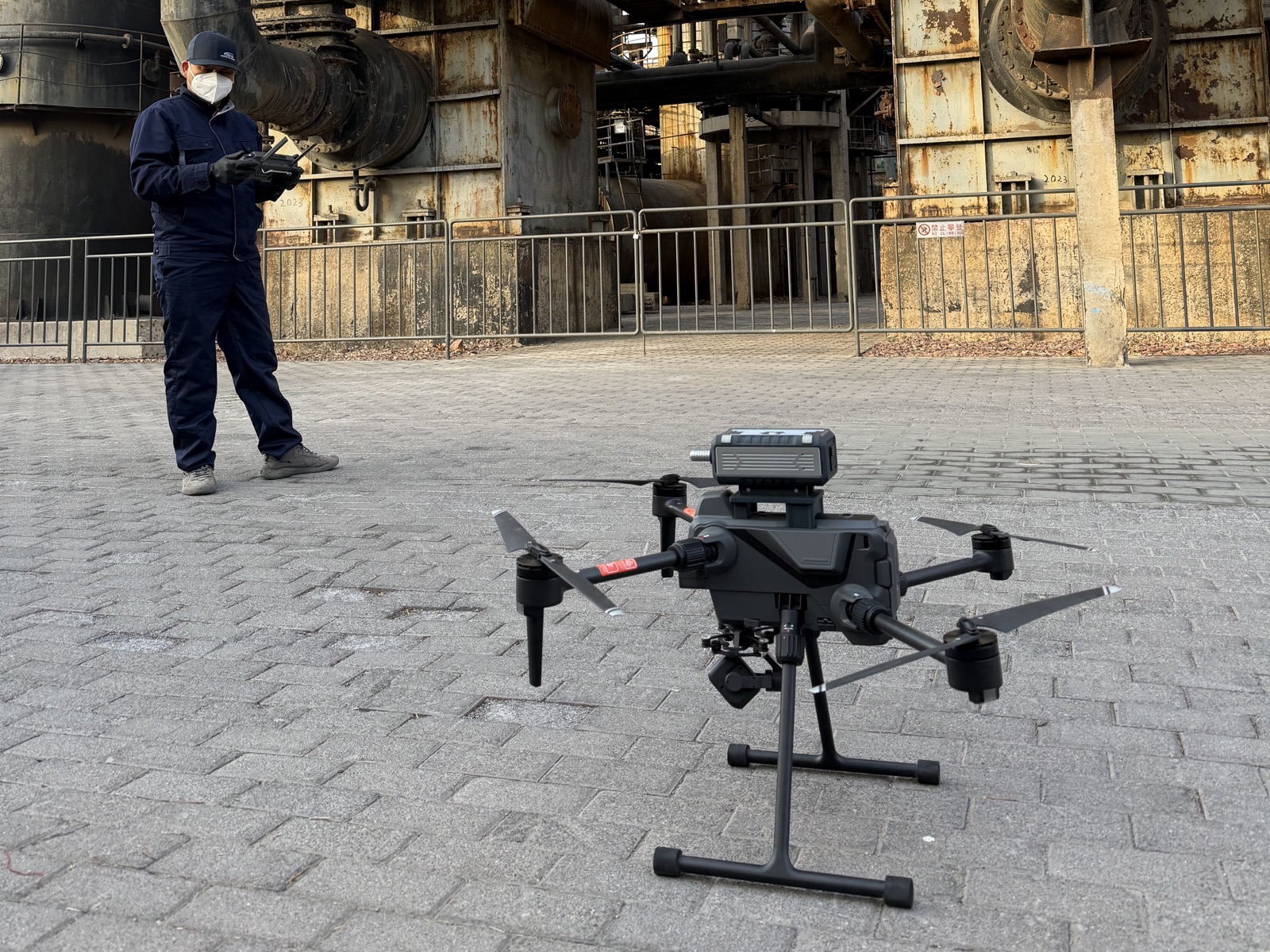
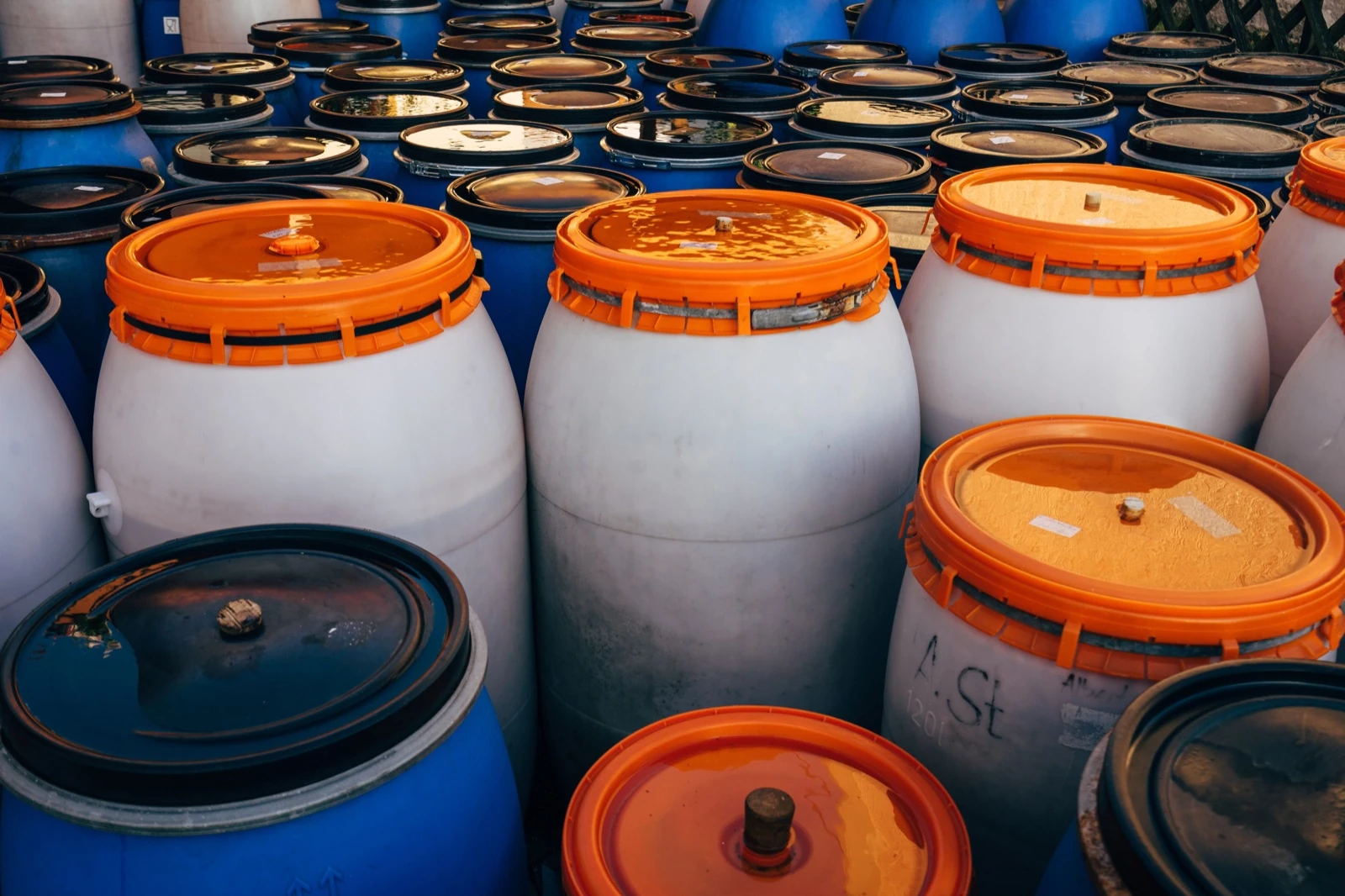
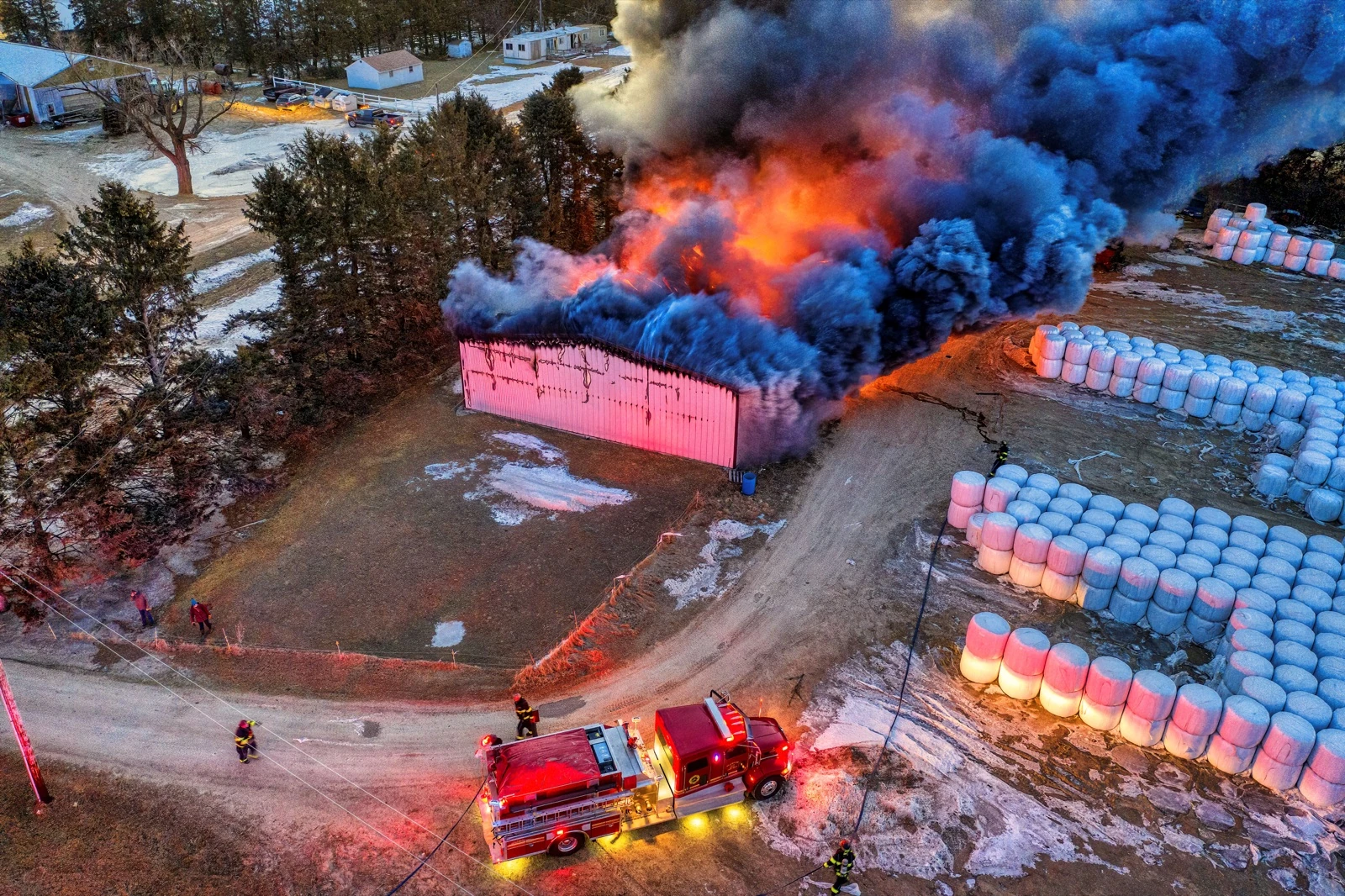
An illustrative scenario showing how an unmanned aircraft, detection payloads, communications and mapping can support initial CBRN reconnaissance while operators remain outside a potential hazard area.
↗︎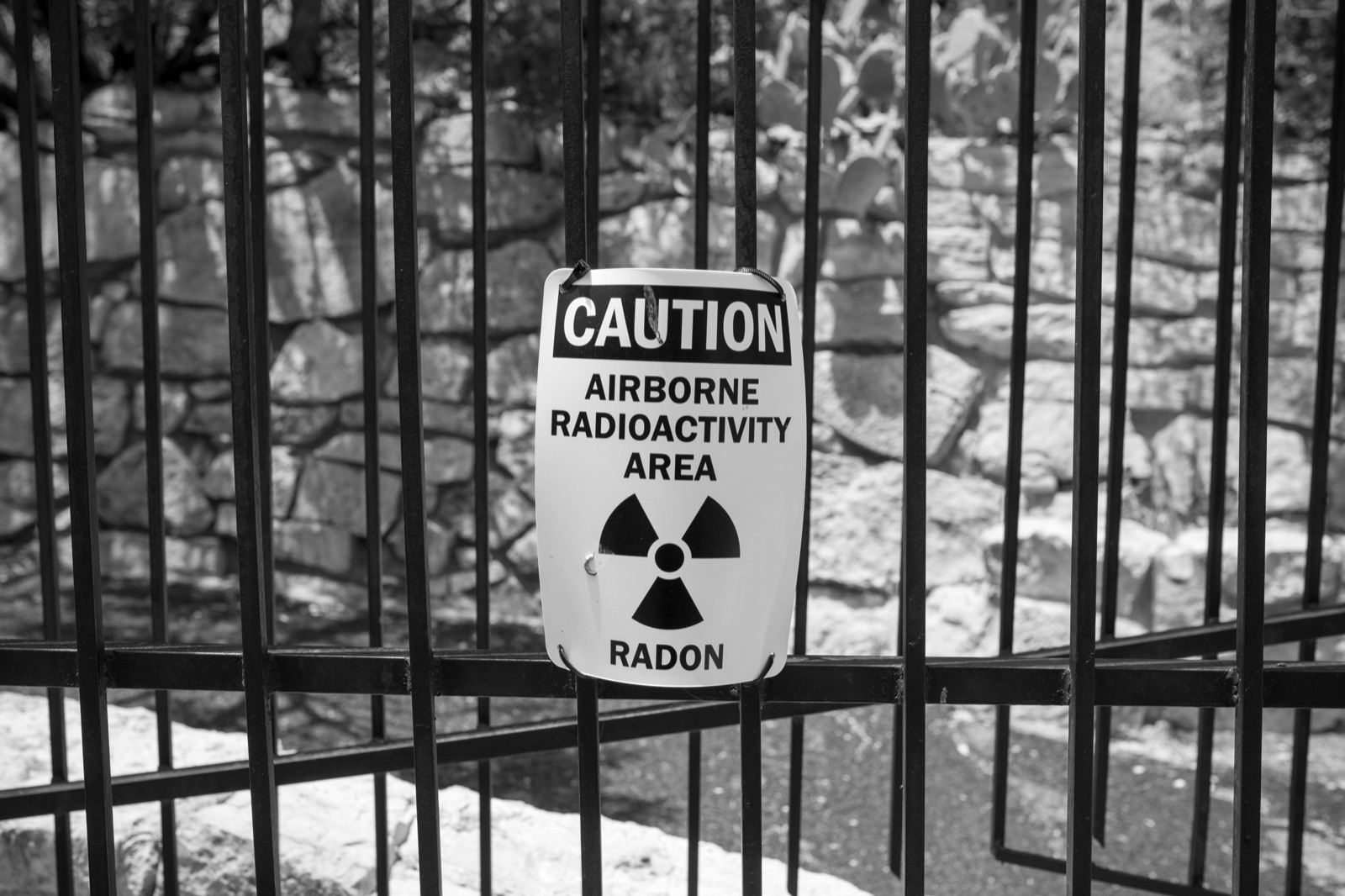
An illustrative radiation-response scenario showing systematic survey, localization, measurement and appropriate characterization of a reported radiation alarm.
↗︎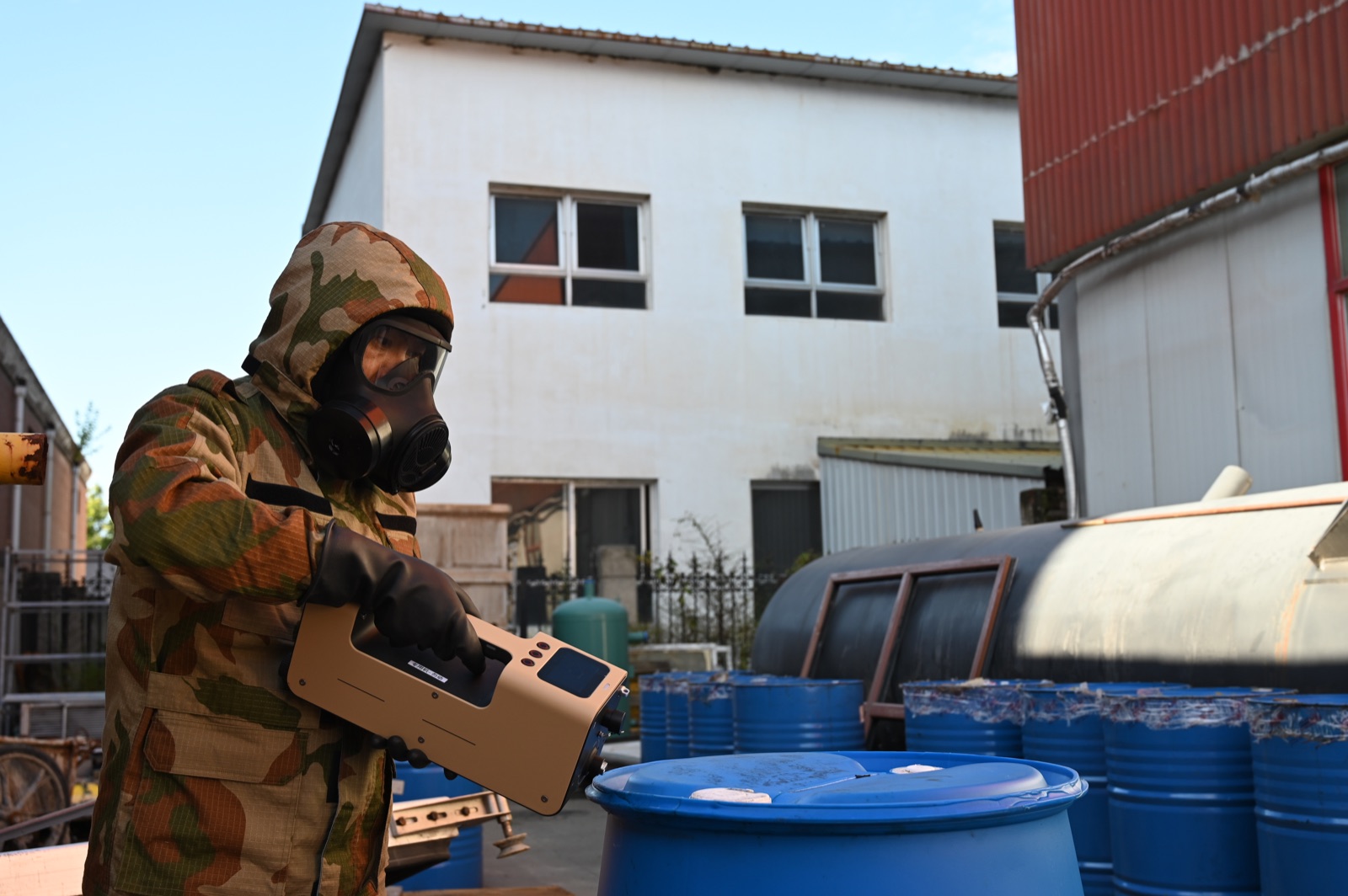
An illustrative response scenario showing how perimeter monitoring, complementary field instruments and disciplined sampling can support the assessment of an unknown chemical release.
↗︎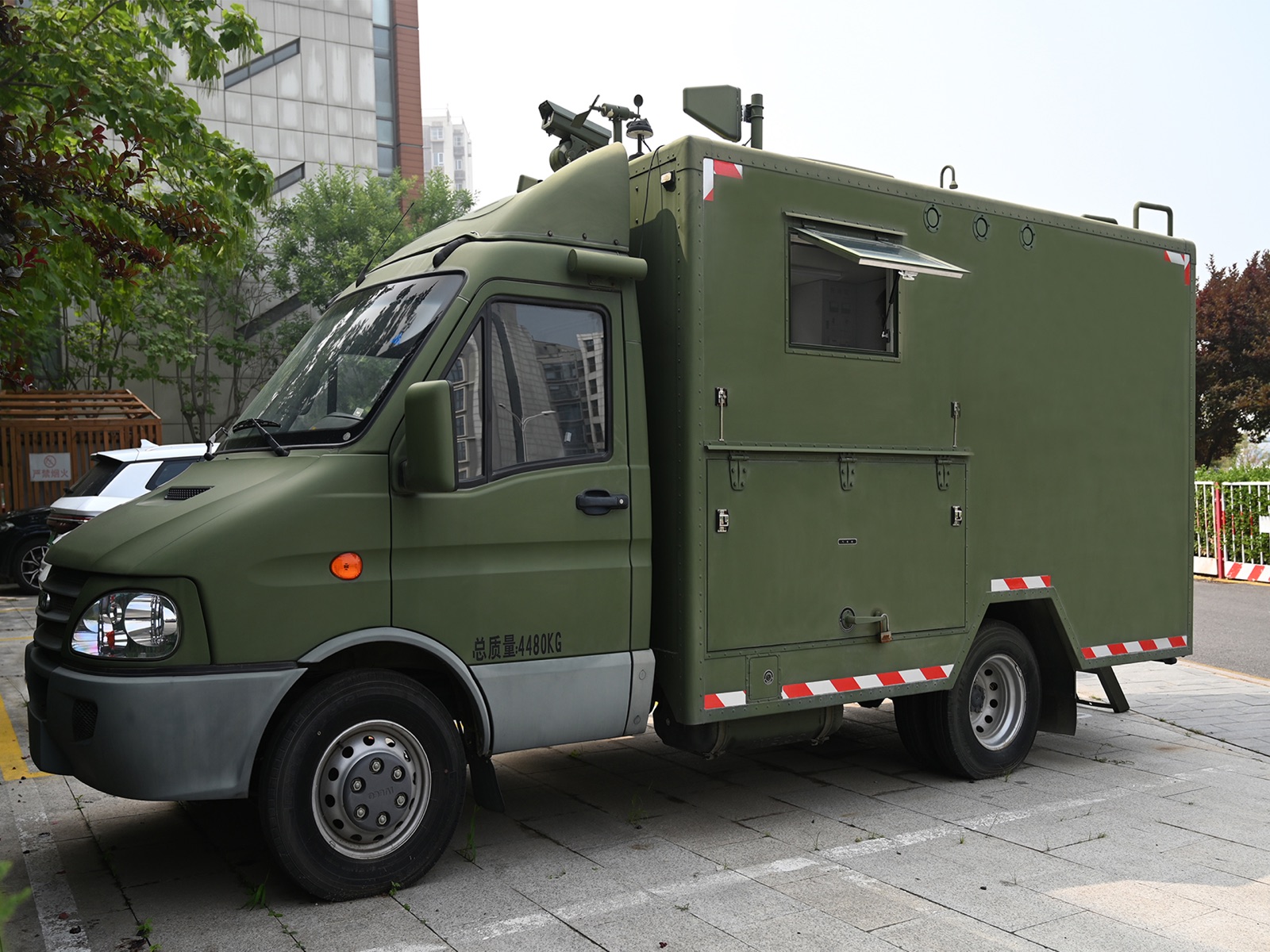
An illustrative scenario for a mobile CBRN reconnaissance and command platform that connects field sensing, communications, coordination and a shared operating picture.
↗︎Tell us about your environment, target substances and operational requirements. We’ll help map the right path.
Start a conversation